
The Statistics Every Employer Should Know
According to the Bureau of Labor Statistics, there were 5,283 fatal workplace injuries in 2023, with 740 fatalities, 14% attributed to violent acts. Of those, 458 were homicides, accounting for nearly 9% of all work-related deaths. Violence is now the third-leading cause of fatal occupational injuries in the United States.
But fatalities only tell part of the story. The CDC reports that healthcare workers, while making up just 10% of the workforce, experience a staggering 48% of all nonfatal injuries due to workplace violence. According to Press Ganey analysis, healthcare workers face an average of 57 workplace assaults per day, equivalent to more than two every hour.
These statistics represent real employees, your employees, facing real threats while doing their jobs. And the risks extend far beyond healthcare into every industry where workers operate alone, in the field, or in unpredictable environments.
The Legal Landscape: Compliance Is No Longer Optional
Under OSHA’s General Duty Clause, employers have a legal obligation to provide a workplace free from recognized hazards, including workplace violence. OSHA’s enforcement directive on workplace violence (CPL 02-01-058) makes it clear that employers can be cited for failing to protect workers from foreseeable risks of violence.
State and local legislation is accelerating. California’s SB 553 now requires most employers to develop comprehensive workplace violence prevention plans. New York’s Retail Worker Safety Act requires panic buttons for retail employees. Hotel worker protection ordinances in cities like Los Angeles, Chicago, and Seattle mandate panic devices for housekeepers and other hospitality staff. New York City’s Safe Hotels Act requires hotel operators to provide panic buttons to employees whose duties involve entering occupied guest rooms.
The legislative trend is clear: panic buttons are moving from best practice to legal requirement. Forward-thinking employers are getting ahead of the curve rather than waiting for mandates to catch up with their industry.
Who Needs Panic Buttons? The Scope Is Broader Than You Think
Research from Verdantix estimates that over 53 million lone workers operate across North America and Europe, and that number continues to grow. Post-pandemic staffing shortages have intensified the issue, with many industries remaining understaffed and requiring employees to take on increasingly isolated roles.
See how SalSon Logistics turned a $9 million insurance problem into a strategic advantage
Accident payouts dropped from six‑figure annual totals to under $200,000 by 2024.
Better yet, drivers are protected, insurers are competing for their business, and a stronger safety culture now fuels their profitability.
High-Risk Roles Requiring Protection
- Lone workers and field personnel — Employees who work in isolation, travel between job sites, or operate in remote locations face unique vulnerabilities. Without colleagues nearby, a medical emergency or threatening encounter can quickly become life-threatening. According to Forbes analysis of Bureau of Labor Statistics data, transportation and warehousing workers face a fatal injury rate of 14.1 per 100,000, driven largely by vehicle-related accidents and lone work conditions.
- Home health caregivers and visiting nurses — Healthcare is rapidly transitioning from facility-based care to home-based care. The Joint Commission reports that healthcare workers are 4-5 times more likely to suffer workplace violence injuries than workers in other industries. Caregivers entering private residences face unpredictable environments, patients in crisis, and family members under stress.
- Security personnel — Whether patrolling commercial properties, managing crowds at events, or responding to incidents, security professionals regularly encounter confrontational and potentially violent situations. The security industry has become one of the fastest-growing sectors for panic button adoption.
- Hospitality and hotel staff — Housekeepers, maintenance workers, and room service personnel often work alone in guest rooms. Multiple jurisdictions now legally mandate panic devices for these workers.
- Retail and customer service employees — Staff who handle cash, work evening shifts, or deal with difficult customers need a reliable way to summon help discreetly. Retail now ranks as the 9th most dangerous U.S. career, and many stores remain understaffed since COVID-19, leaving lone retail workers particularly vulnerable.
- Property managers and real estate professionals — Showing properties to strangers, often in vacant buildings, creates inherent safety risks that many professionals underestimate until an incident occurs.
The Business Case: Why Panic Buttons Deliver ROI
Beyond compliance, employee safety devices deliver measurable business benefits that impact your bottom line.
Reduce Turnover Costs
According to Gallup research, replacing employees costs between 50% and 200% of their annual salary, with leadership and technical roles at the higher end. Six in ten registered nurses report having changed or left their job due to workplace violence. When you demonstrate genuine commitment to employee safety, you build loyalty that reduces costly turnover.
Improve Productivity and Performance
Employees who feel safe perform better. When your team knows they have a reliable lifeline in threatening situations, they can focus on their work rather than worrying about worst-case scenarios. This is particularly critical for organizations prioritizing lone worker safety, employees in the field, healthcare workers making home visits, and security professionals who need the confidence that comes from knowing help is one button press away.
Minimize Liability Exposure
Workplace incidents create legal exposure. If an employee is injured and you failed to provide reasonable safety measures, you may face negligence claims, workers’ compensation disputes, and regulatory penalties. OSHA penalties can reach $156,259 per willful violation. Proactive investment in safety devices demonstrates due diligence and significantly reduces your liability profile.
Strengthen Your Brand
Your clients and partners pay attention to how you treat your employees. For security companies, healthcare organizations, and service contractors, demonstrating commitment to internal safety builds credibility. If your business involves protecting others, you need to protect your own team first.
Real-World Scenarios: When Seconds Matter
Understanding when employees might need a panic button illustrates why traditional communication methods like calling 911 or texting a supervisor often aren’t enough.
Medical Emergencies in Isolation
A lone worker experiences a fall, collision, or sudden medical event. They may be immobilized, unable to reach a phone, or too disoriented to navigate a touchscreen. A wearable panic button that can be activated with a single press, even while incapacitated, can mean the difference between rapid assistance and a prolonged, dangerous delay.
Threatening Encounters
A home healthcare worker enters a patient’s residence and encounters an aggressive family member. A hotel housekeeper opens a door to find a threatening guest. A security guard confronts someone brandishing a weapon. In these moments, discretion is critical. A silent alarm that doesn’t escalate the situation, but immediately alerts the right people, can prevent tragedy.
Case Study: Henry Ford Health
Major healthcare systems are already taking action. Henry Ford Health chose Vestige’s PERSA device to protect mobile clinicians across Michigan. The decision was driven by simplicity, reliability, and customizable alert options, ensuring staff working in challenging remote environments have direct access to 24-hour monitoring and emergency response.
TRUSTED BY INDUSTRY LEADERS


 Mike Stahnten
Trustindex verifies that the original source of the review is Google.
I have been a customer of Vestige for over 5 years. Megan and Corey do an awesome job and get us whatever we requested extremely quickly whether it’s an emergency that we need video of or a simple report we want! Their system has saved us from several Faldo claims and the software has never let us down! Jake CrainVery effective and reliable resource in the field. Product is durable and does everything you’ll need from A-Z, remember you get what you pay for so why not get the best you can. Thank you Vestige for your support and business in this demanding field!
 Drake SawmillOne of our trucks lost a drive line and no parts houses had one in stock. We were able to find it by watching the video from the side camera to see where it landed. Excellent product, and customer service at Vestige is excellent! Much better than other dash cam companies we have used in the past. Highly recommend.
 Dan De La TorreGreat products and Service... we were hesitant about getting the Dashcam Service but within a few months it basically paid for itself due to an accident we had that could have been considered our fault but thanks to the camera I was actually able to share it with the Trooper that worked the accident. Not sure how many different set ups they offer but we are very happy with the basicly Live DashCam service we got that also has GPS integrated . Its great having it all in one App.
What to Look for in Employee Safety Devices
Not all panic buttons are created equal. When evaluating safety solutions for your workforce, look for these critical capabilities:
- Enterprise-grade GPS tracking — A panic alert is only useful if responders know where to go. Real-time, precise location data ensures help arrives at the right place—not just the general vicinity. This is critical for mobile employees who move between sites.
- Silent alarm capability — Devices that send discreet alerts without audible alarms allow employees to summon assistance without escalating danger.
- Tiered alert levels — Not every situation requires 911 dispatch. Look for systems offering red alerts (immediate emergency response), yellow alerts (team notification of concerning situations), and green check-ins (regular safety confirmations).
- Durability and battery life — A device only works if employees carry it. Compact, water-resistant devices with battery life measured in weeks (not hours) ensure the device is ready when needed.
- Professional 24/7 monitoring — The most effective systems eliminate the need for employees to make phone calls and wait for answers. Direct integration with monitoring centers means a single button press triggers immediate response—from notifications to emergency dispatch.
Taking Action: Building a Culture of Safety
Workplace safety legislation continues to expand. The security industry, healthcare sector, and hospitality businesses are among the fastest-growing adopters of panic button technology, not just because of legal requirements, but because protecting employees is simply good business.
Organizations that invest in worker safety see tangible benefits: reduced turnover, improved productivity, lower liability exposure, and stronger employer brands. Those that don’t face the opposite, incidents, staff burnout, difficulty retaining employees, and challenges attracting new talent.
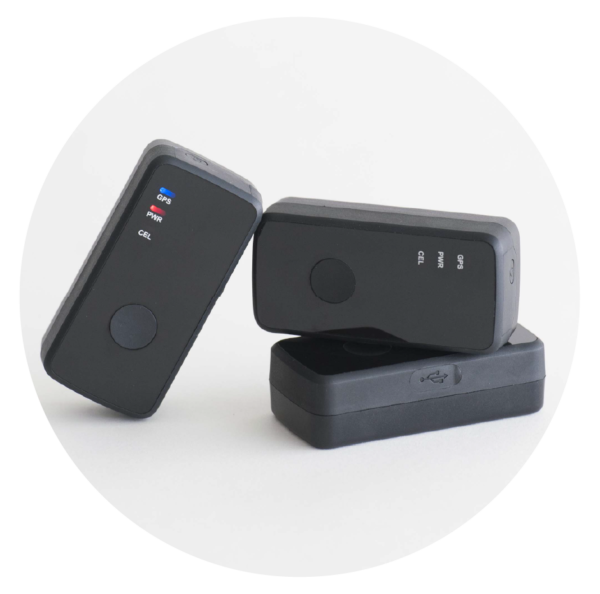
The PERSA wearable panic button provides exactly what modern organizations need: a pocket-sized device with enterprise GPS tracking, silent alarms, customizable alert levels, and direct integration with 24-hour professional monitoring. It’s compact enough to wear on a lanyard and durable enough to last up to two weeks on a single charge.
Your employees trust you with their safety. With the right tools, you can honor that trust and build an organization where no worker ever feels truly alone.
Ready to explore panic button solutions for your organization? Request a demo to see how PERSA wearable safety devices can protect your team in 2026 and beyond.
Trusted Safety Partners