Driver-Facing Cameras: The Fleet Safety Feature Drivers Actually Benefit From
Let us help you protect your fleet!
Driver Behavior Analytics:
Real-time alerts for distracted driving, device usage, and fatigue to improve safety culture.
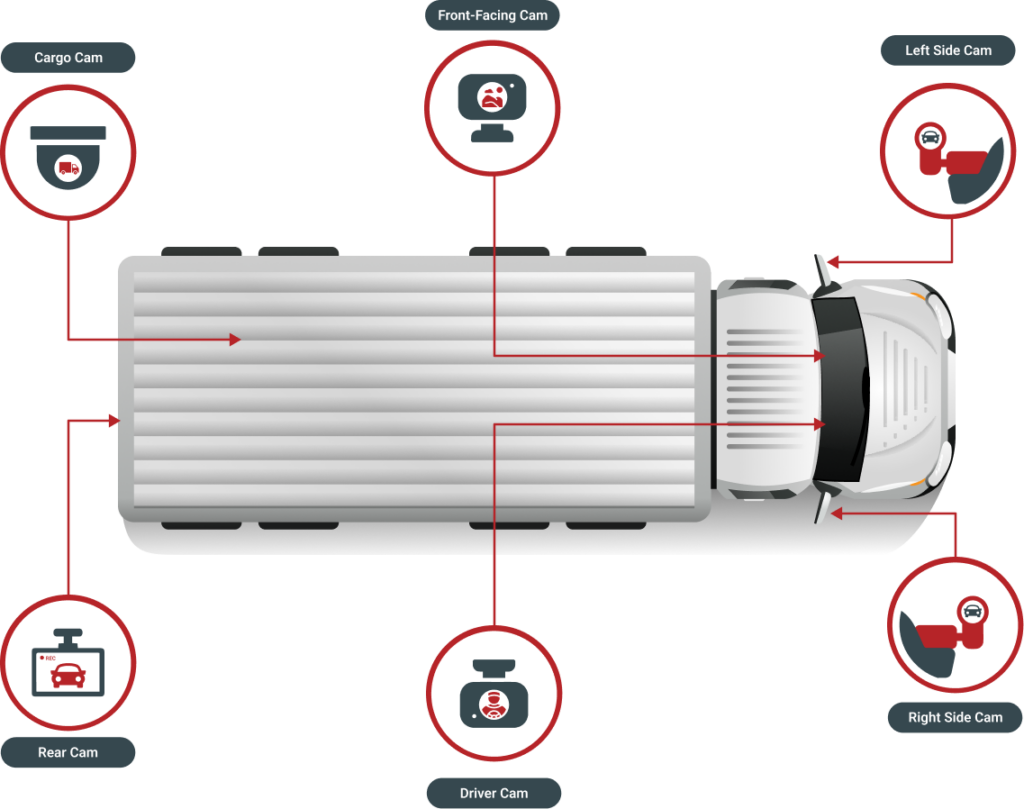
360º Fleet Vision:
Multi-camera system offers complete coverage inside and outside each vehicle
Incident Documentation:
Secure, high-quality footage to protect against false claims
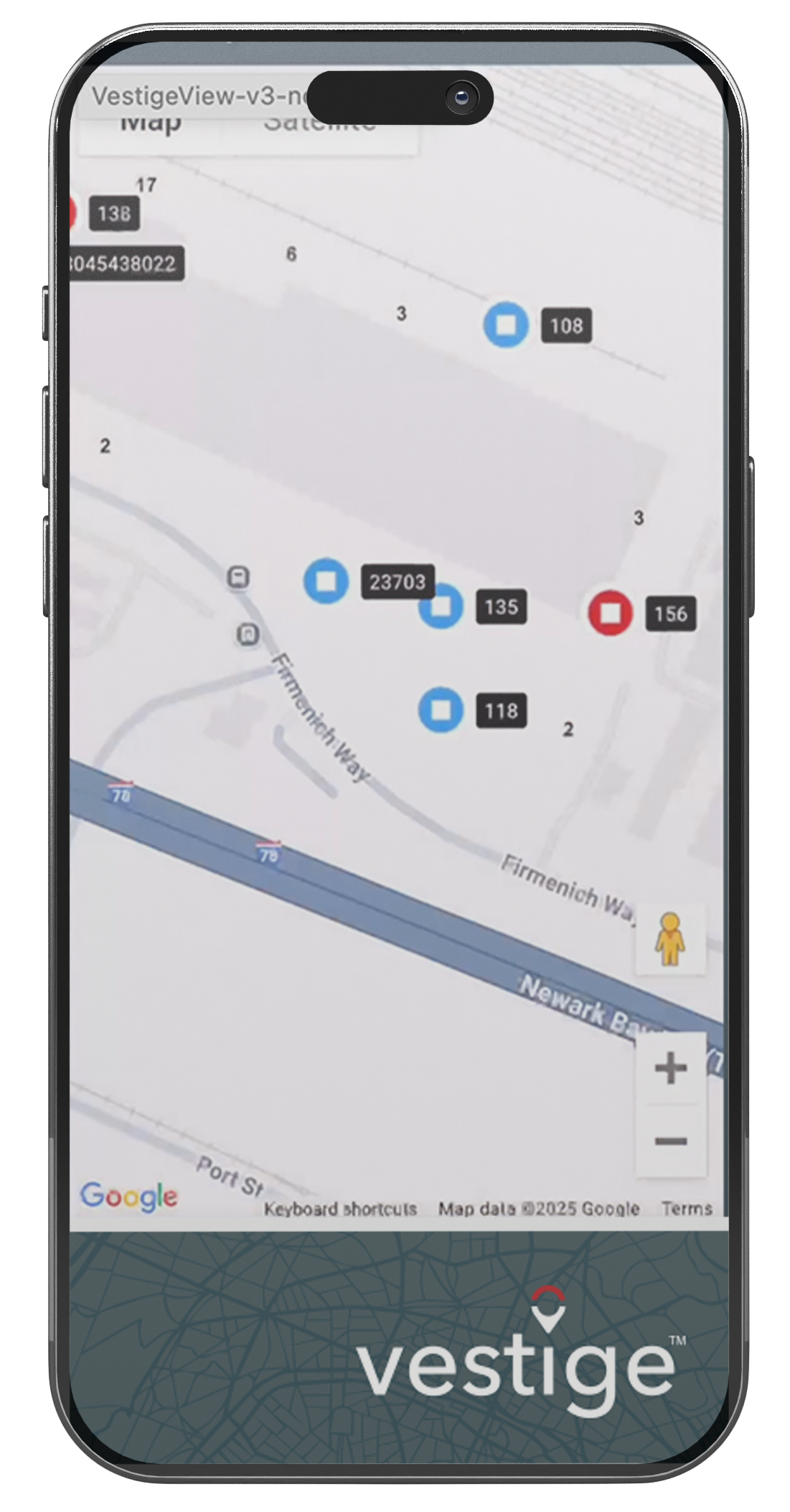
Real-Time Tracking:
GPS with alerts for speeding, idling, and unauthorized use
Driver Coaching:
Actionable data on routes, braking, and driving habits
The Vestige Difference
Multi-Camera System:
Customize up to 8 cameras per vehicle (interior & exterior)
Includes HD, audio, and 4G LTE live-streaming
Records even when parked
Live GPS Tracking:
Track locations, set alerts, and view analytics
Spot unsafe driving patterns instantly
Driver Behavior Monitoring:
Capture speed, routes, braking, and distractions
Coach drivers using real data
Incident Review & Protection:
Access footage with multiple angles
Prevent false claims and reduce insurance hikes
TRUSTED BY INDUSTRY LEADERS


See how SalSon Logistics turned a $9 million insurance problem into a strategic advantage
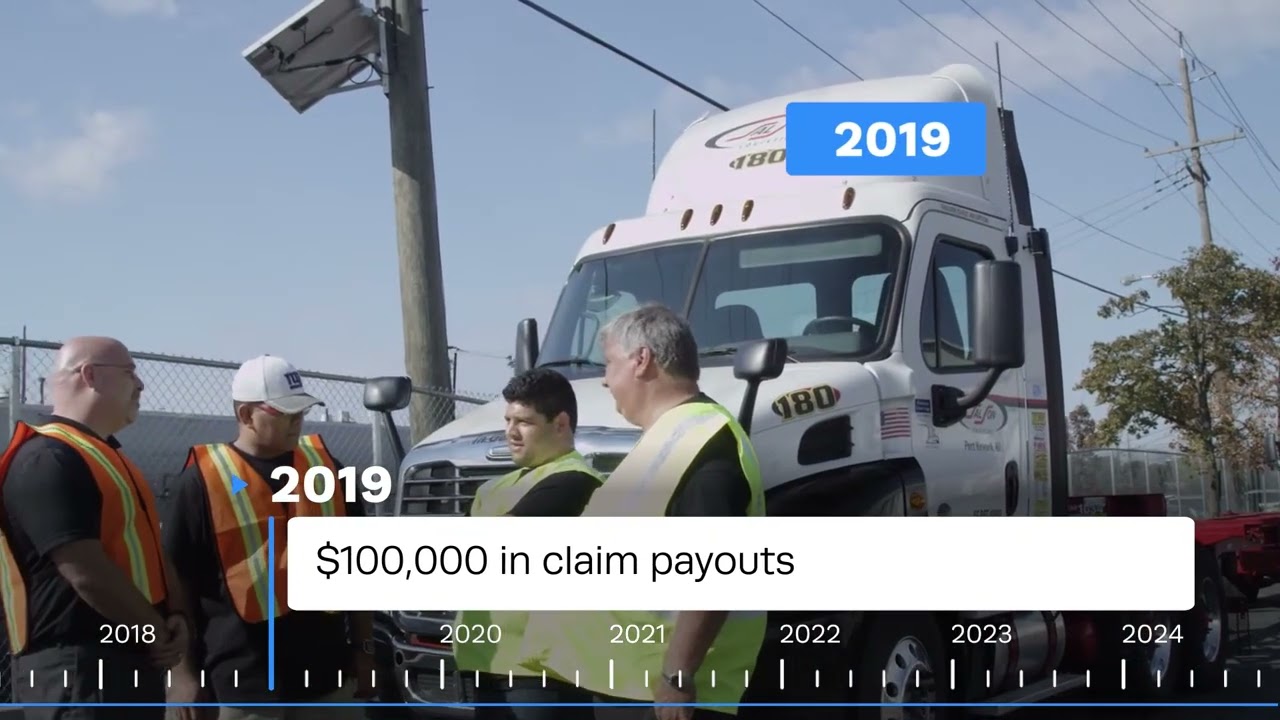
After spending nearly $9 million in claims in 2017—some from staged accidents—SalSon implemented Vestige’s AI‐powered fleet cameras and real‑time command center. The result? Accident payouts dropped from six‑figure annual totals to under $200,000 by 2024.
Better yet, drivers are protected, insurers are competing for their business, and a stronger safety culture now fuels their profitability.
Trustindex verifies that the original source of the review is Google. I have been a customer of Vestige for over 5 years. Megan and Corey do an awesome job and get us whatever we requested extremely quickly whether it’s an emergency that we need video of or a simple report we want! Their system has saved us from several Faldo claims and the software has never let us down!Trustindex verifies that the original source of the review is Google. Very effective and reliable resource in the field. Product is durable and does everything you’ll need from A-Z, remember you get what you pay for so why not get the best you can. Thank you Vestige for your support and business in this demanding field!Trustindex verifies that the original source of the review is Google. One of our trucks lost a drive line and no parts houses had one in stock. We were able to find it by watching the video from the side camera to see where it landed. Excellent product, and customer service at Vestige is excellent! Much better than other dash cam companies we have used in the past. Highly recommend.Trustindex verifies that the original source of the review is Google. Great products and Service... we were hesitant about getting the Dashcam Service but within a few months it basically paid for itself due to an accident we had that could have been considered our fault but thanks to the camera I was actually able to share it with the Trooper that worked the accident. Not sure how many different set ups they offer but we are very happy with the basicly Live DashCam service we got that also has GPS integrated . Its great having it all in one App.
Most drivers still see driver-facing cameras as invasive surveillance or an unwelcome eye constantly judging their every move. This common resistance stems from outdated fears of Big Brother-style monitoring and punitive management.
But the truth is far more reassuring.
Powered by intelligent AI, modern systems have evolved into powerful safety allies. They protect drivers from false accusations, deliver early warnings for dangerous situations, and open the door to meaningful coaching that genuinely improves safety and performance on the road.
The conversation has fundamentally changed.
It’s no longer a question of whether to adopt this technology. The real challenge now is how to position driver-facing cameras as the essential safety net they truly are.

Sobering Statistics About the Increase In Staged Accidents
1. It’s Organized Crime
Criminal rings orchestrate many of these scams—with recruiters, fake clinics, lawyers, and “professional crashers.”
One ring in New Orleans stole $4.7 million before being caught.
2. Fraudsters Win Big in Court
Some walk away with $1M+ settlements because carriers settle quickly to avoid trial—especially when no dashcam footage exists.
3. Fleets Are Prime Targets
Large trucks are targeted due to their high liability coverage—often $750,000+ per incident—making them especially attractive to scammers.
4. It Hurts Everyone
These frauds increase insurance premiums by 10–20% annually for honest fleets in high-fraud areas.
5. Most Fleets Lack Video Protection
Only 15% of fleets are fully equipped with dash cameras—leaving them vulnerable and unable to prove their innocence.
Why Drivers Push Back on In-Cab Cameras (and Why That Is Changing)
Driver resistance to in-cab cameras follows predictable patterns rooted in privacy concerns, surveillance anxiety, and trust issues with management. Sixty-five percent of truck drivers occasionally or regularly drive while drowsy, and nearly fifty percent have reported falling asleep behind the wheel, highlighting the critical safety risks these systems address.
Common objections include fears about constant recording, concerns over footage being used punitively, and the perception that cameras indicate management distrust. These concerns multiply when drivers believe the technology exists solely to monitor behavior rather than enhance safety.
However, modern AI-powered systems offer genuine benefits that change driver perceptions. The technology warns drivers of impending dangers rather than simply recording violations. When systems detect drowsiness or distraction, they provide immediate alerts that prevent accidents before they occur.
The acceptance change accelerates when drivers experience exoneration events. Insurance fraud costs the U.S. $308.6 billion annually, with staged accidents frequently targeting commercial vehicles. When drivers see cameras protecting them from fraudulent lawsuits, resistance transforms into advocacy. Fleet managers implementing comprehensive driver-facing camera pushback strategies report high driver acceptance once the protective benefits become clear.
Modern driver-facing systems operate fundamentally differently from early surveillance-focused models. Instead of constant recording, they use AI to detect specific safety events: drowsiness, distraction, forward collision risks, and seatbelt compliance. This event-triggered approach addresses privacy concerns while maintaining comprehensive safety coverage.
The technology shift from punishment to protection represents the critical difference. Early camera systems focused on catching violations after they occurred. Current AI systems prevent violations before they happen, creating a collaborative safety environment rather than an adversarial monitoring structure.
How AI Driver Monitoring Protects the Driver, Not Just the Fleet
AI-powered driver monitoring functions as a protective shield rather than a surveillance tool. The technology actively guards drivers against career-ending incidents, false accusations, and life-threatening situations that human reflexes cannot detect in time.
Exoneration cases demonstrate the protective power most clearly. A Vestige client driver in Pennsylvania faced a $2.3 million lawsuit after a four-car intersection accident. Video evidence showed the other driver ran a red light while texting. Without camera footage, the commercial driver would have been presumed at fault. The case was dismissed within 30 days.
Similar protection extends to staged accident schemes targeting commercial vehicles. Insurance fraud costs the U.S. $308.6 billion annually, with staged accidents representing a significant portion of these schemes. Staged accidents typically involve sudden lane changes, deliberate rear-ending, and false injury claims. Driver-facing cameras combined with forward-facing footage provide irrefutable evidence that protects innocent drivers from criminal schemes.
Beyond legal protection, AI monitoring detects physiological dangers that drivers cannot self-monitor effectively. Thirteen percent of commercial motor vehicle crashes involve fatigued drivers, highlighting the critical importance of drowsiness detection. Being awake for 18 hours is comparable to having a blood alcohol concentration of 0.08%, yet drivers experiencing fatigue often cannot recognize their impairment.
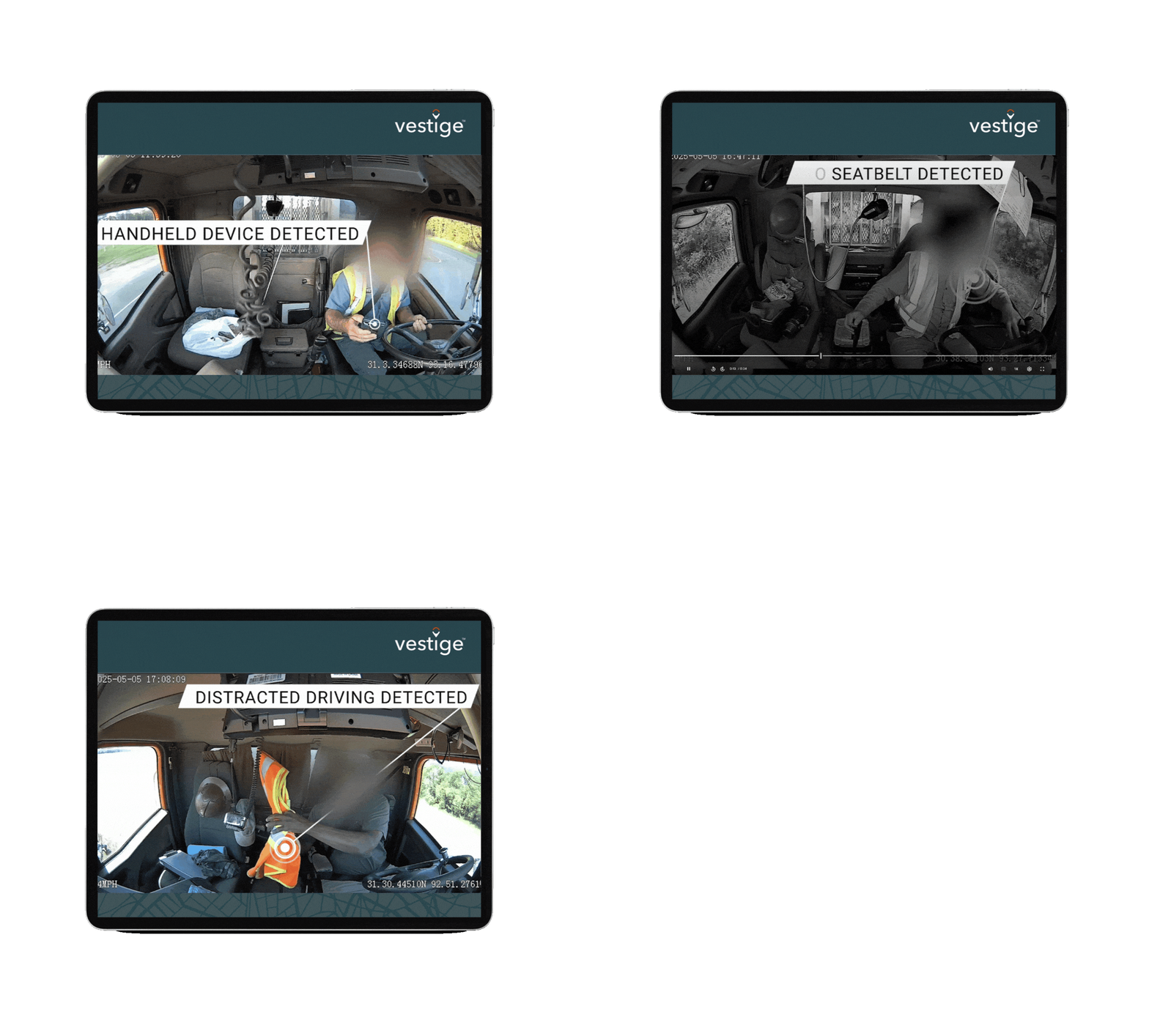
AI fleet camera systems with driver monitoring use infrared technology to track eye movements, blink patterns, and head position. When the system detects drowsiness indicators, it triggers immediate alerts: vibrating seat cushions, audible warnings, or automatic notifications to dispatch. This early intervention prevents accidents before they occur.
Distraction detection operates similarly. The system recognizes when drivers look away from the road for dangerous periods, use mobile devices, or engage in other high-risk behaviors. Rather than punitive recording, the technology provides real-time coaching to redirect attention back to safe driving.
The protection extends beyond individual drivers to entire fleets. When one driver experiences a near-miss event, the AI system can identify patterns that might affect other drivers in similar situations. This collective learning approach creates safety improvements that benefit the entire organization.
Elite Collateral Recovery Case Study
Rising insurance fraud is making it harder than ever for repossession companies to stay insured. Some have even shut down because of it. Elite Collateral Recovery faced a critical moment when staged accidents and false claims started to jeopardize its operations.
That’s when their founder, Max Piñeiro, turned to Vestige AI Cameras. With the right technology in place, the company not only protected its drivers but also safeguarded its company’s reputation.
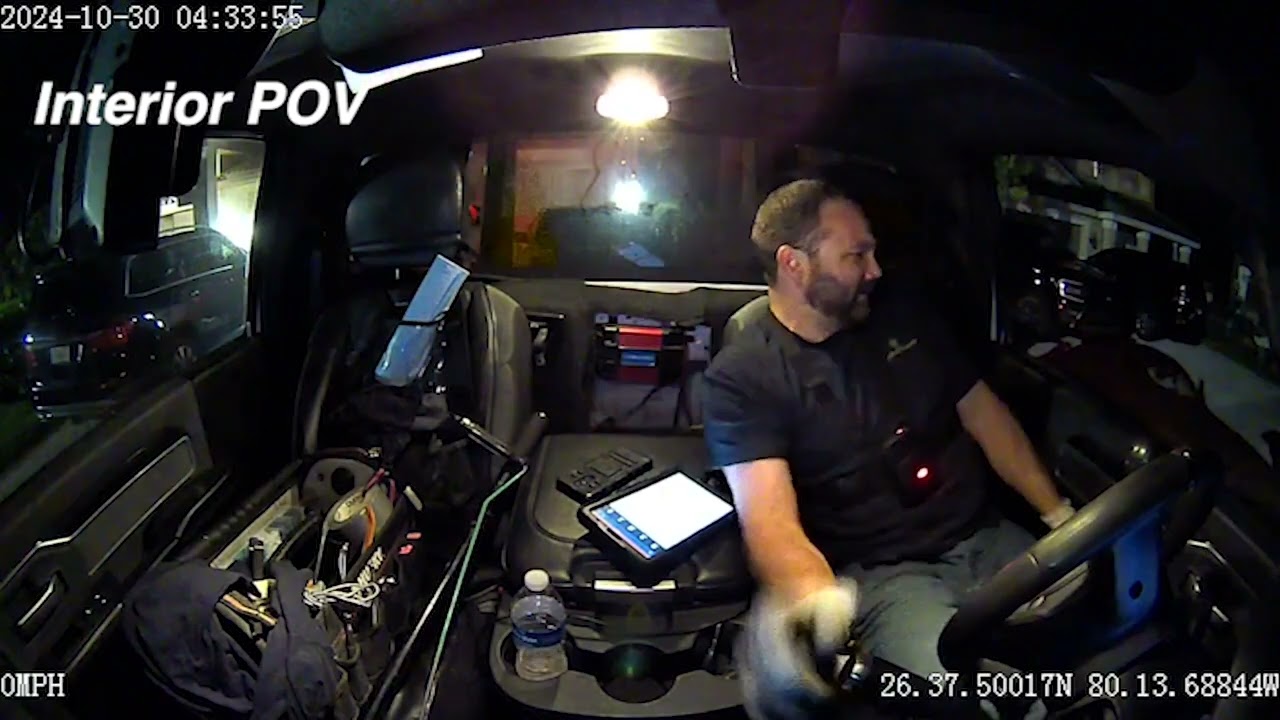
What Driver-Facing Cameras Actually Detect
Modern driver-facing cameras monitor specific behaviors linked to accident causation rather than general surveillance. Understanding these detection capabilities helps drivers recognize the technology as a safety tool rather than a monitoring system.
Drowsiness detection represents the most critical capability. The system tracks multiple physiological indicators: eyelid closure duration, blink frequency, head nodding, and facial muscle tension. When algorithms detect drowsiness patterns, alerts activate immediately. Advanced systems can distinguish between normal blinking and microsleep episodes, preventing false alarms while catching genuine dangers.
Phone use detection addresses the leading cause of distracted driving accidents. The AI recognizes hand positions, head angles, and eye direction patterns associated with mobile device use. When detected, the system provides immediate audio warnings and can alert fleet managers to address the behavior through coaching rather than punishment.
Smoking detection serves dual purposes: fire safety and health monitoring. The system identifies smoking gestures, smoke patterns, and related behaviors that could cause vehicle fires or health incidents. For fleets transporting sensitive materials, smoking detection prevents catastrophic accidents.
Seatbelt compliance monitoring protects drivers from injury and fleets from liability. The system uses computer vision to verify seatbelt positioning and alerts drivers to secure restraints properly. This feature proves particularly valuable during pre-trip inspections and stops where drivers might forget to re-buckle.
Forward collision warnings integrate with driver monitoring to provide comprehensive protection. When the system detects forward obstacles, it verifies that the driver is alert and aware before activating warnings. If the driver appears distracted or drowsy, warnings intensify to ensure attention.
AI fleet dash cameras combine these individual capabilities into comprehensive safety monitoring. The integration allows for contextual responses. For example, if a driver appears drowsy while approaching a construction zone, the system might provide enhanced alerting compared to open highway conditions.
The detection threshold settings balance sensitivity with practical usability. Systems calibrated too sensitively create alert fatigue, causing drivers to ignore warnings. Settings that are too lenient miss dangerous situations. Professional implementation includes calibration periods where systems learn individual driver patterns to optimize alert timing.
Data from these detection systems provides valuable insights for fleet safety programs. Rather than punitive tracking, the information enables targeted coaching, route optimization, and schedule adjustments that reduce fatigue-related incidents. This data-driven approach transforms safety from a reactive discipline to proactive prevention.
From Punishment to Coaching: The Shift That Works
The transformation from punitive camera systems to coaching-focused programs represents the most significant advancement in fleet safety technology. This philosophical shift reduces accidents while improving driver satisfaction, creating sustainable safety improvements across entire organizations.
Traditional camera programs focused on catching violations and assigning blame. Drivers who triggered events faced disciplinary action, creating adversarial relationships between drivers and safety managers. This approach generated compliance through fear rather than understanding, leading to high turnover and continued safety issues.
Coaching-based programs use camera footage as teaching tools. When a driver experiences a near-miss event, safety managers review the footage collaboratively with the driver. Instead of assigning blame, they identify environmental factors, decision points, and alternative responses that could prevent similar situations.
AI video telematics reduces preventable accidents by up to thirty percent in the first year, demonstrating the effectiveness of coaching approaches. One fleet using AI dash cams recorded over sixty percent fewer incidents, showing the significant impact of properly implemented camera systems. These results occur when fleets focus on coaching rather than punishment, creating sustainable safety improvements.
Gamification elements enhance coaching effectiveness. Programs that award points for safe driving behaviors, create friendly competition between drivers, and recognize safety achievements generate higher engagement than fear-based approaches. Drivers respond positively to systems that acknowledge good performance rather than only highlighting problems.
Positive reinforcement programs work particularly well with camera data. When systems detect smooth following distances, proper scanning behaviors, or excellent vehicle positioning, they can trigger recognition messages. This immediate positive feedback reinforces safe habits more effectively than delayed disciplinary actions.
Driver engagement and risk management programs that incorporate camera technology show remarkable results. Drivers who actively participate in safety coaching demonstrate significant reductions in at-risk behaviors and improved safety outcomes compared to drivers in traditional monitoring programs.
The coaching approach also addresses systemic issues that individual drivers cannot control. If multiple drivers struggle in specific locations or conditions, safety managers can implement route changes, schedule adjustments, or additional training rather than disciplining individual drivers for environmental challenges.
Successful coaching programs establish clear communication about camera usage. Drivers understand when systems are recording, how footage will be used, and what behaviors trigger alerts. This transparency builds trust and encourages driver participation in safety initiatives.
Technology integration supports coaching through data visualization and trend analysis. Safety managers can identify patterns across driver groups, vehicle types, and operating conditions. This comprehensive view enables targeted interventions that address root causes rather than individual symptoms.
SalSon Logistics Case Study
John Lampersona, VP of Safety & Logistics at SalSon, was determined to protect his fleet—and his business relationships—from the crushing weight of multi-million dollar accident claims.
Lampersona transformed the situation by equipping his entire fleet with the Vestige Camera.
Real-time data significantly enhanced driver behavior, prevented false claims, and reduced accident-related costs, thereby revolutionizing SalSon’s safety culture.
Read more about how the Vestige Camera drives lasting change in the logistics industry.
Elite Collateral Recovery: When the Camera Saved a Driver’s Life
Elite Collateral Recovery operates in one of the most dangerous sectors of commercial transportation: vehicle repossession. With over 30 years in the business, the company understood the risks its drivers faced but struggled to provide adequate protection until implementing comprehensive camera systems.
The company equipped recovery agents with integrated body cameras and dash cameras that synchronized footage from multiple angles. This dual-camera approach captured complete incident records while providing redundant protection against false claims and violent encounters.
The system proved its value during a routine repossession in Memphis, Tennessee. Recovery agent Marcus Thompson approached a target vehicle in an apartment complex parking lot. As he began the recovery process, the vehicle owner emerged from a nearby building and opened fire with a handgun.
Body camera footage captured the entire incident from Thompson’s perspective, showing him following proper protocols and attempting to de-escalate the situation. Dash camera footage from the recovery truck provided an additional angle that clearly showed the shooter’s actions and Thompson’s defensive response.
Without the camera evidence, Thompson would have faced potential criminal charges and civil liability. The shooting victim’s family claimed Thompson had provoked the incident and acted aggressively. Body camera footage proved Thompson never threatened the shooter and attempted to withdraw when the situation escalated.
Law enforcement used the synchronized footage to identify and arrest the shooter within 48 hours. The case was prosecuted successfully, and civil lawsuits against Elite Collateral Recovery were dismissed based on the video evidence.
“If it wasn’t for the cameras, we wouldn’t be in business today,” explains Max Piñeiro, Elite Collateral Recovery’s operations manager. “The footage didn’t just protect Marcus legally. It saved his life by providing evidence that led to the shooter’s arrest before he could retaliate.”
Research supports this protective value beyond individual incidents. A forty-seven percent reduction in assault odds when workers wore body cameras demonstrates how camera technology creates safer work environments across high-risk industries.
The incident transformed the company’s approach to driver safety. Elite Collateral Recovery now requires body cameras and dash cameras for all field operations. The integrated fleet dashcam solution for driver safety provides comprehensive protection for high-risk commercial operations.
The case demonstrates how camera technology protects drivers beyond accident prevention. In dangerous work environments, cameras provide legal protection, evidence collection, and incident documentation that can determine the difference between career survival and criminal liability.
SalSon Logistics: 418 Accidents Down to 24
SalSon Logistics operated a regional trucking fleet with a devastating safety record. The company experienced significant challenges with accident rates and insurance costs that threatened operational viability.
Fleet Safety Director John Lampasona implemented a comprehensive camera and coaching program that transformed the operation’s safety culture. Working with Vestige, the company achieved remarkable results: reducing accidents from 418 to 24 per year while decreasing insurance costs from $9 million to under $200,000 annually.
The transformation required complete organizational commitment. SalSon installed AI-powered driver-facing cameras in every vehicle, implemented real-time coaching programs, and trained safety managers on data-driven intervention techniques. The company treated camera implementation as a cultural change initiative rather than a simple technology deployment.
“We’re not flying blind anymore. Vestige gave us eyes,” explains John Lampasona about the transformation. “Accidents would happen, and we’d try to figure out what went wrong after the fact. Now we prevent problems before they occur.”
The accident reduction followed a systematic pattern. Initial implementation produced fewer accidents within the first quarter as drivers modified their behavior knowing they were being monitored. Coaching programs generated additional reductions as drivers learned specific techniques for hazard recognition and risk avoidance.
Advanced safety features provided significant additional improvements. AI systems that detected drowsiness, distraction, and following distance violations enabled real-time intervention that prevented accidents before they occurred. This proactive approach addressed the root causes of crashes rather than simply documenting them after the fact.
Insurance companies responded positively to the safety improvements. SalSon’s insurance provider offered premium reductions based on demonstrated risk reduction. Additional savings came from reduced deductibles, lower legal fees, and improved safety ratings that qualified the company for preferred carrier programs.
The success extended beyond accident reduction. Driver turnover decreased significantly as the company’s improved safety record attracted higher-quality drivers. Customer retention improved as on-time performance increased and freight damage claims decreased. The data-driven driver onboarding process now includes safety technology training as a core component.
SalSon’s experience demonstrates how comprehensive camera programs create compound benefits beyond direct accident prevention. Improved safety attracts better drivers, reduces operational costs, and enhances customer relationships, creating sustainable competitive advantages for safety-focused fleets.
Fleet Multi-Cameras & GPS Tracking
Fleet GPS relays timely location updates and customized alerts. Capture a 360-degree view with our premium camera solutions.
By choosing advanced systems, businesses can unlock a range of features that improve safety, efficiency, and protection:
360-Degree Coverage
Monitor the full vehicle interior and exterior to ensure passenger and driver safety.
High-Definition Footage
Capture clear, reliable video evidence to resolve incidents.
Event Based Alert
Automatic recording of critical incidents, such as sudden stops or hard braking.
Real-Time Monitoring
Enable live-streaming for fleet managers to respond to emergencies quickly.
Cloud Storage
Store footage securely with easy access for future review.
GPS Integration
Track vehicle locations and routes for improved efficiency.
Night Vision Capabilities
Maintain visibility in low-light conditions to ensure safety during nighttime trips.
Transform Driver Safety Into Driver Protection
Driver-facing cameras represent the evolution from reactive accident investigation to proactive safety protection. The technology that drivers once feared as surveillance now serves as their most effective defense against false accusations, dangerous situations, and career-ending incidents.
The transformation requires proper implementation, coaching-focused programs, and clear communication about the protective purpose of the technology. When drivers understand that cameras exist to safeguard their careers rather than catch their mistakes, acceptance follows naturally.
Modern AI-powered systems provide early warnings for drowsiness, distraction, and collision risks while documenting exonerating evidence for legal protection. With 5,218 large trucks involved in a fatal crash in 2024, the importance of proactive safety technology becomes clear. This dual-purpose approach creates genuine value for drivers while improving fleet safety outcomes.
See AI driver monitoring in action. Request a demo to discover how modern camera technology protects drivers while reducing fleet risk.
For questions about implementing driver-facing safety technology, contact our team for expert guidance tailored to your fleet’s specific needs.
Vestige featured in Charlotte Business Journal
The leader in safety technology is featured following the opening of its new office to support the expanding sales and support teams, which serve thousands of clients across North America.
Frequently Asked Questions
Driver-facing cameras are legal in all 50 states for commercial vehicles when properly implemented. Federal Motor Carrier Safety Administration regulations permit and encourage safety monitoring technology. However, fleets must comply with state privacy laws regarding recording notification and data handling.
Most states require notification when a recording occurs. This notification can be provided through employment agreements, vehicle placards, or electronic notices when systems activate. Union agreements may include additional requirements for camera implementation and data usage policies.
Privacy protections focus on data access and retention rather than recording prohibition. Fleets must establish policies governing who can access footage, how long recordings are stored, and under what circumstances footage may be shared with external parties.
Professional driver-facing systems typically do not allow drivers to disable safety monitoring during active duty periods. However, many systems include privacy modes for off-duty periods when drivers use vehicles for personal purposes or mandatory rest breaks.
Privacy settings vary by system and fleet policy. Some cameras automatically disable recording when vehicles are parked for extended periods. Others require manual activation of privacy mode through specific procedures. These features balance safety monitoring with driver privacy expectations.
Emergency override capabilities may be available for specific situations, but usage typically generates reports to fleet managers. This approach prevents routine system disabling while accommodating legitimate privacy needs during authorized personal use periods.
Access to driver-facing footage is typically restricted to designated fleet personnel with legitimate safety responsibilities. Standard access levels include fleet managers, safety directors, and training coordinators. Legal counsel may access footage for litigation purposes.
External access is generally limited to law enforcement investigations, insurance claim processing, and court-ordered discovery. Professional systems include audit trails that track all access attempts and footage-sharing activities.
Data retention policies govern how long footage is stored and when automatic deletion occurs. Most fleets retain footage for 30-90 days unless specific events require longer preservation. These policies help balance safety oversight with privacy protection.
AI detection systems monitor driver behavior continuously, but only record and flag specific safety events. Unlike constant recording systems that capture everything, AI systems use real-time analysis to identify potentially dangerous situations before triggering recording protocols.
This approach dramatically reduces storage requirements and privacy concerns. Instead of recording hours of routine driving, systems capture 15-30 second clips around specific events: hard braking, distraction detection, drowsiness alerts, or collision warnings.
Event-triggered recording provides comprehensive safety coverage while minimizing invasive monitoring. Drivers experience protection from AI safety warnings without feeling constantly surveilled. This balance addresses privacy concerns while maintaining effective safety monitoring.
The AI analysis occurs locally on the camera device rather than transmitting all footage to external servers. This edge computing approach protects driver privacy while enabling real-time safety intervention. Only flagged events are typically transmitted to fleet managers for review and coaching purposes.
Accordion Content
Get Started with Vestige Today
Vestige is committed to delivering top-tier GPS fleet tracking and dash cam solutions tailored to your business needs. Here’s why businesses across the globe trust us:
24/7 Customer Support:
Our team is always here to assist you, whether you have a question about your fleet dash cam system or need help analyzing GPS fleet tracking data.
Seamless Integration:
Our systems are easy to install and integrate with your existing fleet management tools. You’ll be up and running in no time, with both GPS fleet tracking and dash cam footage available at your fingertips.
Scalable Solutions:
Whether you have a fleet of 5 or 500 vehicles, our GPS fleet tracking and dash cam solutions can scale with your business. From small operations to large corporations, we’ve got the right tools for every fleet size.
Don’t leave your fleet management to chance. Invest in Vestige’s advanced GPS fleet tracking and dash cam technology and gain the insights you need to improve safety, efficiency, and accountability.
Contact us today to learn how our fleet dash cam solutions can transform the way you manage your fleet.
Speak With A Fleet Specialist
Learn more about the Vestige AI Camera System
Find out more about our camera system and how our customers have utilized our smart camera solution to improve their fleets.