
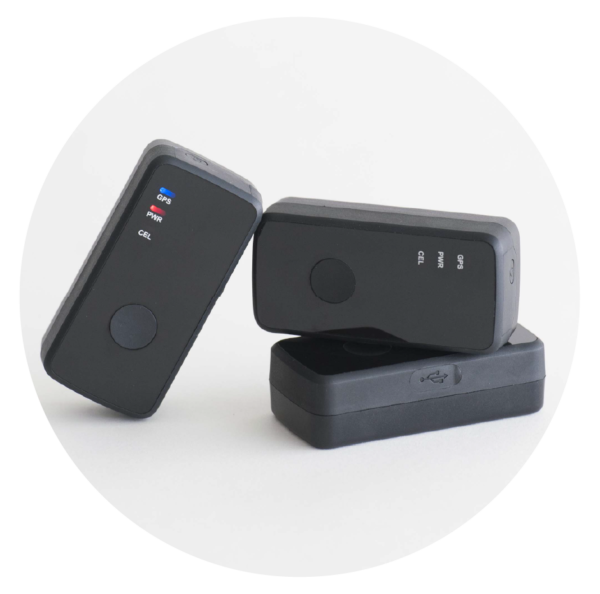
If you manage workers who spend time alone, whether that’s cleaning hotel rooms, stocking shelves after hours, or patrolling empty buildings, you’ve likely heard rumblings about panic button requirements. What was once a best practice is rapidly becoming a legal mandate.
A wave of new legislation targeting isolated workers across Washington State, Los Angeles County, and New York is forcing employers to provide emergency communication devices to isolated and vulnerable workers. Understanding these laws now gives you time to implement compliant solutions before enforcement deadlines arrive.
Washington State Sets the Template for Isolated Worker Protections
Washington’s House Bill 1524, effective January 2025, established one of the most comprehensive panic button frameworks in the country. The law covers “isolated workers”: employees who work alone without nearby coworkers, including hotel housekeepers, retail staff, security guards, and property services workers.
Under HB 1524, covered employers must provide each isolated employee with a panic button or emergency contact device. The requirements are specific: the device must be carried while working, simple to activate without passwords or complex startup sequences, and capable of summoning immediate assistance with accurate location information. This isn’t about checking a box, the law demands devices that actually work when employees need them most.
Beyond the hardware, Washington requires employers to implement sexual harassment policies, provide mandatory training, and maintain detailed records of both training completion and panic button deployment. The Washington Department of Labor & Industries can request these records at any time, making documentation as critical as the devices themselves.
See how SalSon Logistics turned a $9 million insurance problem into a strategic advantage
Accident payouts dropped from six‑figure annual totals to under $200,000 by 2024.
Better yet, drivers are protected, insurers are competing for their business, and a stronger safety culture now fuels their profitability.
Los Angeles County Targets Hotel Worker Safety
The Los Angeles County Hotel Worker Protection Ordinance, effective April 1, 2026, addresses the specific vulnerabilities of hospitality workers. Hotels in unincorporated LA County must provide personal security devices like panic buttons, at no cost to any employee assigned to work alone in guest rooms or restrooms.
The ordinance gets into operational specifics that matter for compliance. When an employee activates their device, it must immediately alert designated security personnel or management who are available at all times and able to respond on-scene. This means employers need both the technology and the staffing infrastructure to respond effectively.
Hotels must also provide annual training on device use and response procedures, and maintain detailed incident records for every activation. LA County joins similar mandates already in place in Santa Monica, West Hollywood, and the City of Los Angeles, which is part of a broader California trend that shows no signs of slowing.
New York’s Retail Worker Safety Act Raises the Bar
New York’s Retail Worker Safety Act takes a different approach, targeting large retailers with 500 or more employees nationwide operating in the state. These employers must provide access to panic buttons throughout the workplace, including fixed devices and wearable and mobile-based options, for each retail employee.
The New York law sets a high bar for what these devices must accomplish. Physical panic buttons must immediately contact the local 911 Public Safety Answering Point, provide the PSAP with the employee’s location, and dispatch local law enforcement. Mobile or phone-based options are permitted, but only on employer-provided devices, and critically, these devices cannot be used to track employees except during an active emergency.
This balance between safety and privacy reflects a growing sophistication in how legislators approach worker protection technology. Employers need solutions that meet the 911 integration requirement while respecting employee privacy expectations.
TRUSTED BY INDUSTRY LEADERS


Trustindex verifies that the original source of the review is Google. I have been a customer of Vestige for over 5 years. Megan and Corey do an awesome job and get us whatever we requested extremely quickly whether it’s an emergency that we need video of or a simple report we want! Their system has saved us from several Faldo claims and the software has never let us down!Trustindex verifies that the original source of the review is Google. Very effective and reliable resource in the field. Product is durable and does everything you’ll need from A-Z, remember you get what you pay for so why not get the best you can. Thank you Vestige for your support and business in this demanding field!Trustindex verifies that the original source of the review is Google. One of our trucks lost a drive line and no parts houses had one in stock. We were able to find it by watching the video from the side camera to see where it landed. Excellent product, and customer service at Vestige is excellent! Much better than other dash cam companies we have used in the past. Highly recommend.Trustindex verifies that the original source of the review is Google. Great products and Service... we were hesitant about getting the Dashcam Service but within a few months it basically paid for itself due to an accident we had that could have been considered our fault but thanks to the camera I was actually able to share it with the Trooper that worked the accident. Not sure how many different set ups they offer but we are very happy with the basicly Live DashCam service we got that also has GPS integrated . Its great having it all in one App.
Panic Buttons as Proof of Duty of Care
Beyond specific mandates, panic buttons are increasingly viewed as the tangible proof that employers have met their duty of care to lone workers. Regulatory guidance from both U.S. and international agencies positions emergency communication devices as the baseline expectation, not a premium add-on.
The common thread across all these regulations is clear. Compliant devices must be carried by the worker while on duty, be simple to trigger without delay, be capable of sending a reliable signal with accurate location data, and be connected to either an internal responder or public emergency services. Training, written policies, and thorough record-keeping round out the requirements.
For employers, this creates both a compliance challenge and an opportunity. Organizations that implement robust panic button systems now position themselves ahead of regulations that continue to expand. Those who wait risk scrambling to meet deadlines while competitors have already built worker safety into their operations.
What This Means for Your Organization
The regulatory landscape for worker safety is shifting rapidly. Washington’s isolated worker protections, LA County’s hotel ordinance, and New York’s retail safety act represent the leading edge of a national trend. Similar legislation is under consideration in other states, and the pattern is consistent: more industries, more workers covered, and stricter requirements for the devices themselves.
If your workforce includes employees who work alone—in hotels, retail locations, warehouses, healthcare facilities, or field service roles—now is the time to evaluate your emergency communication capabilities. The right solution should meet current regulatory requirements while providing flexibility as mandates expand.
Compliance deadlines are approaching. Washington’s law is already in effect. LA County’s hotel ordinance takes effect in April 2026. New York’s retail requirements are being implemented now. Understanding what these laws require and how modern panic button solutions can meet those requirements is the first step toward protecting both your workers and your organization.
Ready to explore how panic button technology can help your organization meet these new mandates? Request a demo to see how modern emergency communication solutions work in practice. Contact Vestige today!
Trusted Safety Partners