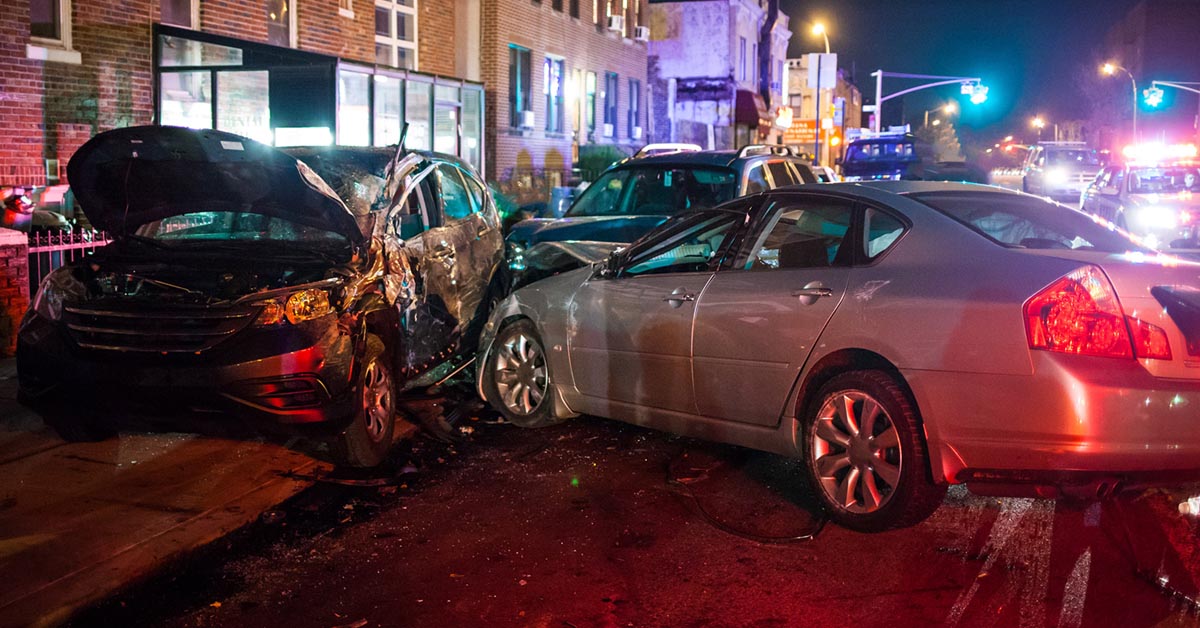
For fleet operators, a collision does not always end when the vehicles stop moving. An incident can lead to insurance claims, liability questions, legal disputes, vehicle downtime, and hours of investigation. And when the accounts of what happened do not match, determining the facts can become even more difficult.
That challenge is gaining attention as insurance fraud continues to affect the automotive and transportation industries. In September 2026, a bipartisan group of lawmakers introduced the Stop Auto Fraud Act, legislation that would establish federal criminal penalties for intentionally staging or fabricating a motor vehicle crash to file a fraudulent insurance claim. The proposal specifically addresses staged crashes and organized fraud operations that can operate across state lines.
The legislation is also arriving as the nature of fraudulent evidence continues to evolve. Industry representatives have pointed to AI-altered images as another emerging concern, making it increasingly important to have reliable, objective information when reviewing a claim.
For fleets, these developments highlight a broader question: when something happens on the road, how confidently can you establish what actually happened?
Fraud Can Create Costs Beyond the Claim
Insurance fraud is already a significant financial issue. The Coalition Against Insurance Fraud estimates that fraudulent claims cost the U.S. approximately $308.6 billion annually and add roughly $900 to the average policyholder’s yearly insurance costs.
For fleet operators, the impact can extend beyond the cost of a single claim.
A disputed incident can require safety teams, operations personnel, risk managers, insurers, and legal teams to spend time determining what occurred. If liability is unclear, investigations can take longer and claims can become more difficult to resolve.
Staged accidents are particularly challenging because the incident itself may have been intentionally created to produce a fraudulent claim. Commercial vehicles can also be attractive targets because of the potentially significant costs associated with commercial auto claims.
This makes having an objective record of an incident increasingly valuable.
See how SalSon Logistics turned a $9 million insurance problem into a strategic advantage
Accident payouts dropped from six‑figure annual totals to under $200,000 by 2024.
Better yet, drivers are protected, insurers are competing for their business, and a stronger safety culture now fuels their profitability.
Video Telematics Is Changing How Fleets Investigate Incidents
Video has become an important part of that record.
Rather than relying solely on statements from drivers, passengers, or third parties, camera footage can provide another perspective on the moments leading up to and following an incident. When combined with telematics information such as speed, braking, and vehicle activity, video can help provide additional context for an investigation.
The broader industry is moving in this direction. A 2026 fleet technology report found that 46% of surveyed fleets were using video telematics, an increase from previous years, with protecting against false claims among the key objectives for adopting the technology.
Another 2026 fleet risk survey found that 53% of fleets had exonerated a driver following an incident in the previous year. These examples point to an important role for video beyond simply identifying unsafe driving: it can also help establish when a driver was not at fault.
That distinction matters.
A technology investment that helps prevent incidents is valuable. But technology that can also help explain an incident afterward can provide a different kind of value, particularly when accounts conflict or a claim surfaces later.
Sometimes the Need for Evidence Comes Later
One of the challenges of incident investigations is that the need for video is not always immediate.
A fleet may not know that an incident will result in a claim until days or weeks later. A complaint may be filed after the fact. A driver may report an interaction with another motorist. Or new information may emerge that prompts a safety team to take another look at an event.
In these situations, access to historical footage can be particularly useful.
Vestige’s Historical Video Playback is one example of how fleet technology is evolving to support this type of investigation. Instead of limiting teams to footage associated with an immediately identified event, historical playback allows safety and operations teams to review recorded video from a previous point in time.
That can be especially useful when investigators need to understand the broader context around an incident rather than relying on a single clip. Reviewing multiple camera views along a synchronized timeline can help teams see what was happening around the vehicle before, during, and after an event.
The goal is not to assume that every incident is fraudulent. It is to make sure that when questions arise, teams have access to the information needed to investigate them fairly and efficiently.
Building a More Complete Picture of Every Incident
The conversation around staged crashes is ultimately part of a larger shift in fleet safety.
As fleets adopt more connected technology, video is becoming less about simply recording what happens and more about creating a reliable source of information that can support decisions after an event.
That can mean:
Establishing a clearer account of a collision
Supporting a driver when evidence shows they were not responsible
Investigating questionable claims
Providing context for insurance and legal reviews
Understanding incidents that are reported after the fact
Identifying patterns that can inform future safety efforts
It also means recognizing that safety does not stop when an incident occurs. The investigation that follows is an important part of managing risk.
Preparing for What Happens After the Incident
For fleets ready to address real safety challenges, start with the facts, and work from there.
Begin with data. Analyze your current violation patterns and accident history to identify the highest-risk areas for your operation.
Prioritize proven solutions. Focus first on technology addressing the violations most common in your fleet—typically fatigue management and behavioral monitoring.
Plan for integration. Choose systems that work together rather than creating technology silos that don’t communicate.
Measure results. Track violations, accidents, and operational metrics to demonstrate ROI and guide future investments.
The technology exists. The business case is clear. The only question is how quickly we’ll implement solutions that actually make our highways safer.
TRUSTED BY INDUSTRY LEADERS


Trusted Safety Partners