Tow Truck Camera Systems: Complete Protection for High-Risk Recovery Operations
Let us help you protect your fleet!
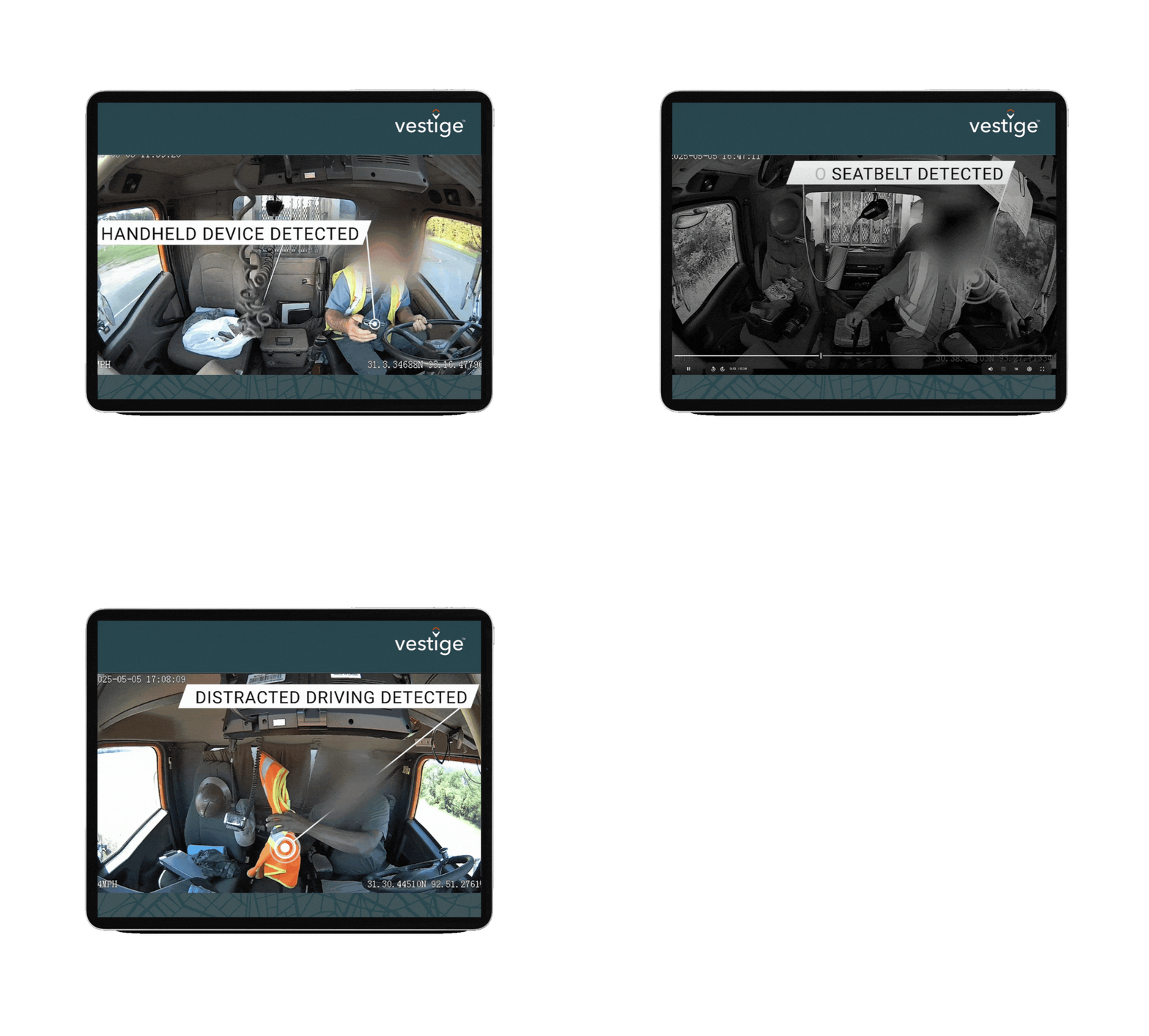
Driver Behavior Analytics:
Real-time alerts for distracted driving, device usage, and fatigue to improve safety culture.
360º Fleet Vision:
Multi-camera system offers complete coverage inside and outside each vehicle
Incident Documentation:
Secure, high-quality footage to protect against false claims
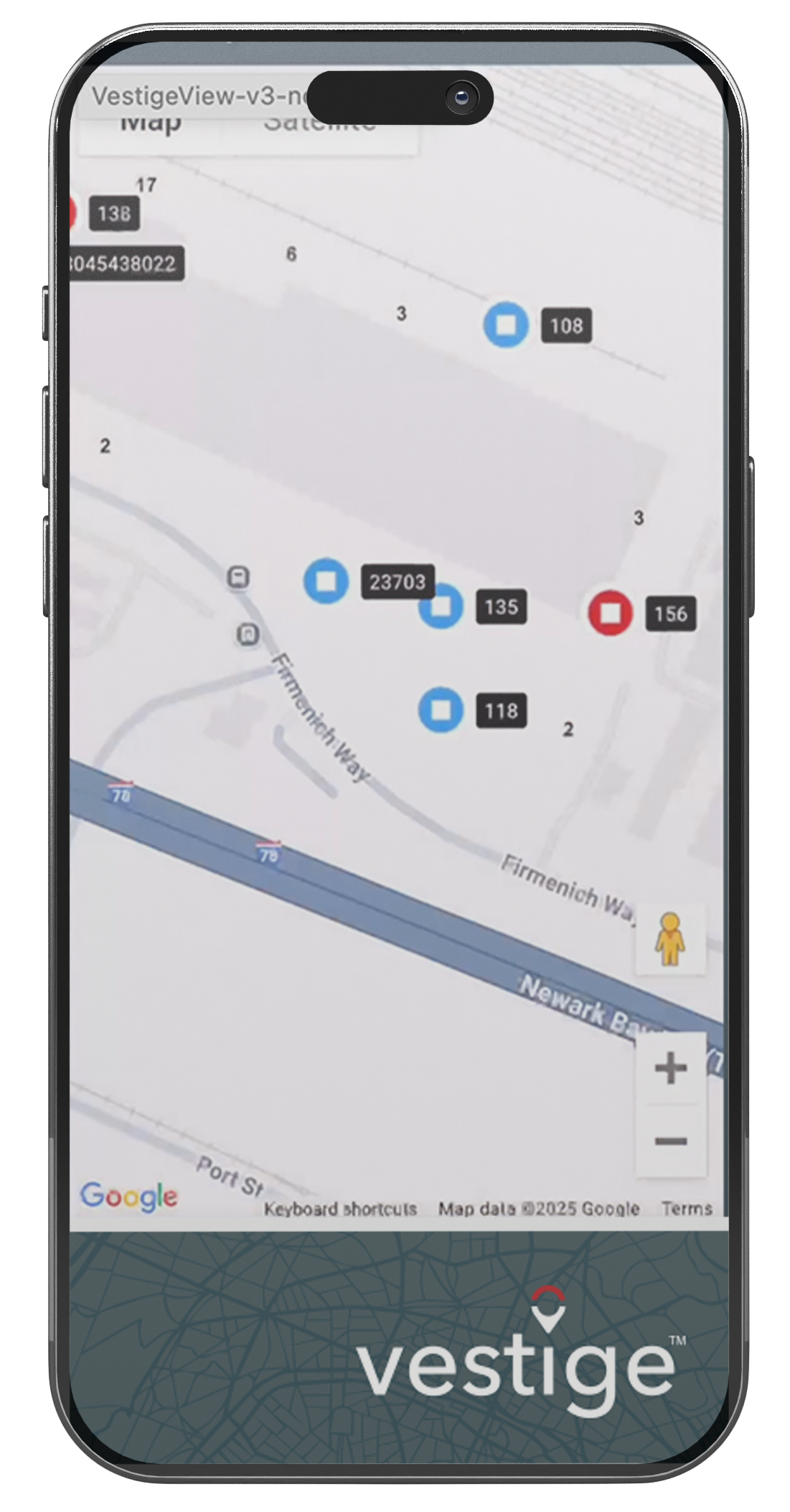
Real-Time Tracking:
GPS with alerts for speeding, idling, and unauthorized use
Driver Coaching:
Actionable data on routes, braking, and driving habits
The Vestige Difference
Multi-Camera System:
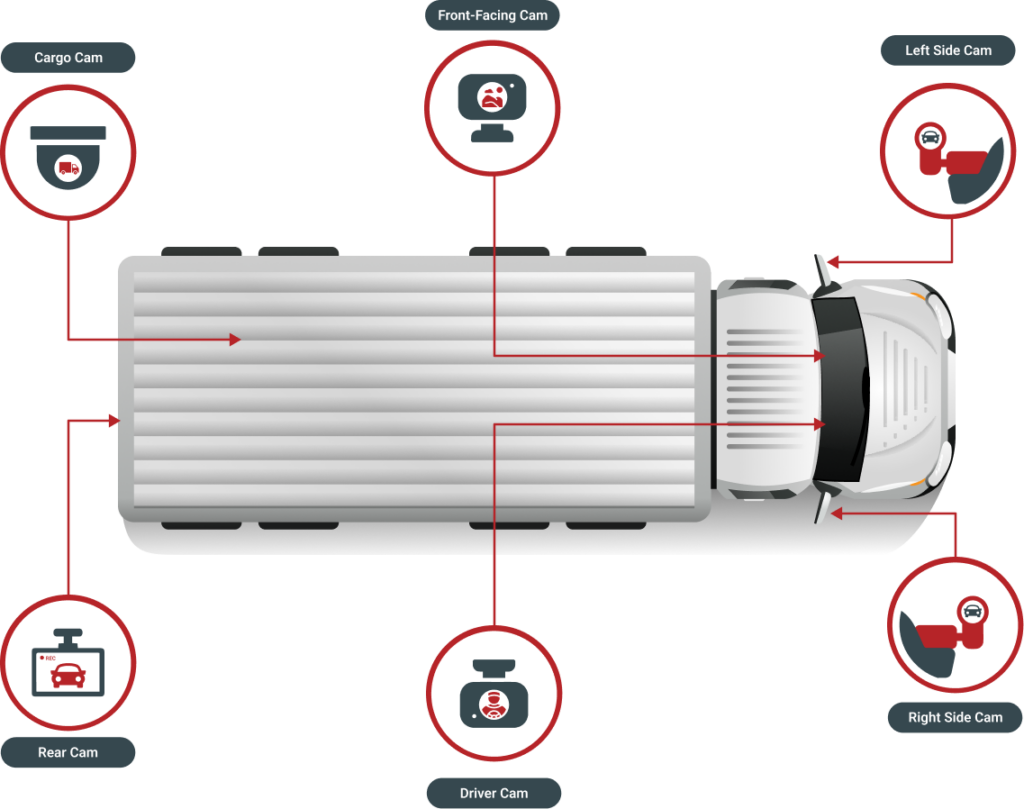
Customize up to 8 cameras per vehicle (interior & exterior)
Includes HD, audio, and 4G LTE live-streaming
Records even when parked
Live GPS Tracking:
Track locations, set alerts, and view analytics
Spot unsafe driving patterns instantly
Driver Behavior Monitoring:
Capture speed, routes, braking, and distractions
Coach drivers using real data
Incident Review & Protection:
Access footage with multiple angles
Prevent false claims and reduce insurance hikes
TRUSTED BY INDUSTRY LEADERS


See how SalSon Logistics turned a $9 million insurance problem into a strategic advantage
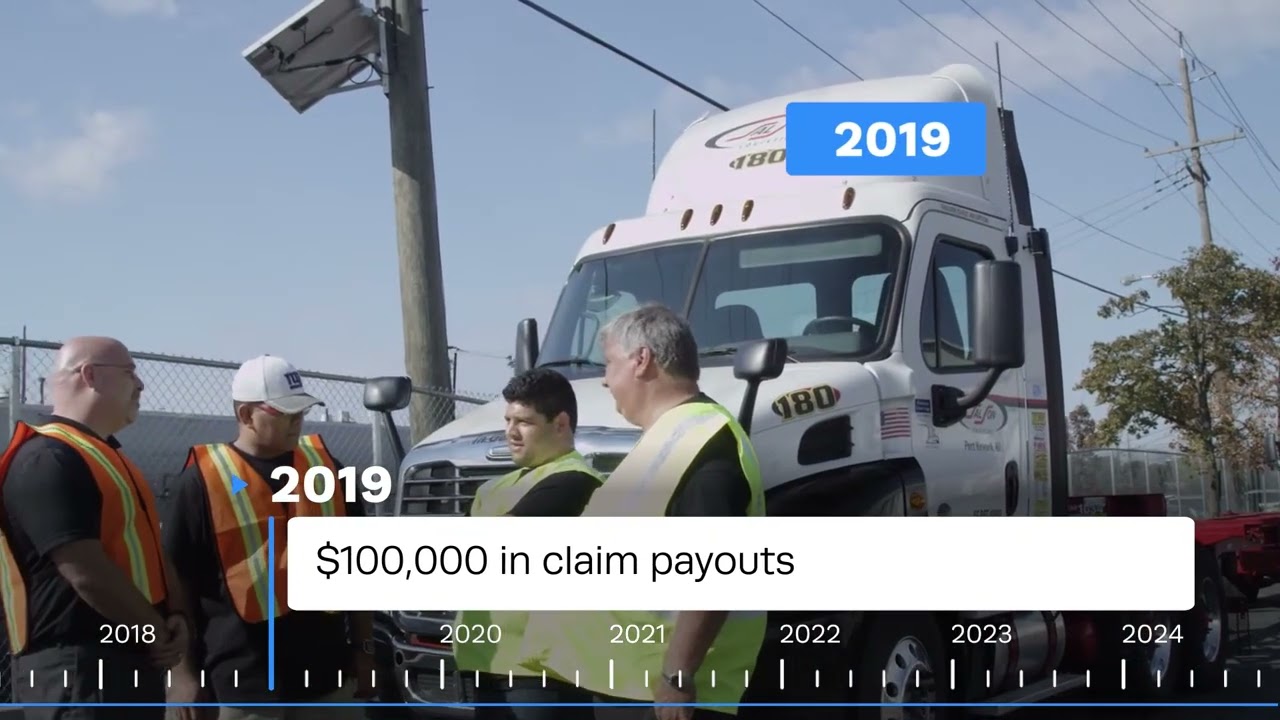
After spending nearly $9 million in claims in 2017—some from staged accidents—SalSon implemented Vestige’s AI‐powered fleet cameras and real‑time command center. The result? Accident payouts dropped from six‑figure annual totals to under $200,000 by 2024.
Better yet, drivers are protected, insurers are competing for their business, and a stronger safety culture now fuels their profitability.
Trustindex verifies that the original source of the review is Google. I have been a customer of Vestige for over 5 years. Megan and Corey do an awesome job and get us whatever we requested extremely quickly whether it’s an emergency that we need video of or a simple report we want! Their system has saved us from several Faldo claims and the software has never let us down!Trustindex verifies that the original source of the review is Google. Very effective and reliable resource in the field. Product is durable and does everything you’ll need from A-Z, remember you get what you pay for so why not get the best you can. Thank you Vestige for your support and business in this demanding field!Trustindex verifies that the original source of the review is Google. One of our trucks lost a drive line and no parts houses had one in stock. We were able to find it by watching the video from the side camera to see where it landed. Excellent product, and customer service at Vestige is excellent! Much better than other dash cam companies we have used in the past. Highly recommend.Trustindex verifies that the original source of the review is Google. Great products and Service... we were hesitant about getting the Dashcam Service but within a few months it basically paid for itself due to an accident we had that could have been considered our fault but thanks to the camera I was actually able to share it with the Trooper that worked the accident. Not sure how many different set ups they offer but we are very happy with the basicly Live DashCam service we got that also has GPS integrated . Its great having it all in one App.
Towing and recovery is not your average job on the road. It is one of the most dangerous professions in the country. According to the Bureau of Labor Statistics, tow truck operators face a fatality rate of 15.1 deaths per 100,000 workers. When you look at what the job involves, that number is not surprising. Operators work just feet away from high-speed traffic, handle tense repossession situations, and respond to accident scenes where visibility is low, and conditions can change in an instant.
Because of this, tow truck camera systems have become essential. They do more than just record video. They help protect operators in real time, provide clear evidence when incidents occur, and defend against false claims that can be costly for both drivers and businesses.
Towing also comes with challenges that standard commercial vehicle camera systems are not designed to handle. This is not long-haul trucking or routine delivery work. Tow operators need cameras that activate during high-risk moments, capture multiple angles during vehicle hookups, and document interactions when situations escalate. With the right setup, a tow truck becomes more than just a vehicle. It becomes a dependable source of evidence that helps protect both the operator and the business.

Sobering Statistics About the Increase In Staged Accidents
1. It’s Organized Crime
Criminal rings orchestrate many of these scams—with recruiters, fake clinics, lawyers, and “professional crashers.”
One ring in New Orleans stole $4.7 million before being caught.
2. Fraudsters Win Big in Court
Some walk away with $1M+ settlements because carriers settle quickly to avoid trial—especially when no dashcam footage exists.
3. Fleets Are Prime Targets
Large trucks are targeted due to their high liability coverage—often $750,000+ per incident—making them especially attractive to scammers.
4. It Hurts Everyone
These frauds increase insurance premiums by 10–20% annually for honest fleets in high-fraud areas.
5. Most Fleets Lack Video Protection
Only 15% of fleets are fully equipped with dash cameras—leaving them vulnerable and unable to prove their innocence.
Tow Truck Camera System Requirements
A single dash cam pointing forward cannot capture the complexity of towing operations. Effective tow truck cameras require strategic placement across multiple zones, each serving a distinct protective function. The forward-facing camera documents road conditions and approaching traffic while the operator works, creating a continuous record of the environment that proves critical when accidents occur near the recovery site. This camera also captures the moment when an operator exits the vehicle, establishing a timeline that can refute claims about when damage occurred.
Driver-facing cameras serve a dual purpose in towing operations. They monitor operator behavior during transit, providing coaching opportunities and insurance premium reductions, similar to those offered by other commercial fleets. More importantly, they capture the operator’s perspective and reactions during confrontations, documenting threats and aggressive behavior from vehicle owners or bystanders. When a repossession turns hostile or an accident scene becomes dangerous, the driver-facing camera records the operator’s response and the immediate threat they faced.
Side-facing and rear cameras become essential during the actual hookup process. These cameras document the vehicle’s condition before the tow truck makes contact, creating irrefutable evidence that pre-existing damage was already present. They capture the entire hookup sequence, proving that proper procedures were followed and that the operator exercised appropriate care. When vehicle owners later claim that the tow truck caused damage, these cameras provide frame-by-frame evidence of exactly what happened and when.
The rear-facing camera serves a critical safety function that extends beyond documentation. It monitors the towed vehicle throughout transit, alerting operators to shifting loads, loose chains, or separation events before they become catastrophic failures. This real-time monitoring capability has prevented countless accidents by giving operators immediate visual confirmation that their load remains secure.
PTO-Triggered Recording: Capturing the Moment Risk Escalates
Standard dash cams record continuously while the vehicle is operating, generating massive amounts of footage that must be stored, reviewed, and managed. This approach creates storage costs and makes finding specific incidents time-consuming. More critically, it fails to recognize that the highest-risk moments in towing operations occur when the truck is stationary, and the power take-off (PTO) system activates to operate the winch or lift mechanism.
PTO-triggered video systems solve this problem by automatically beginning recording the instant the operator engages the tow mechanism. This intelligent triggering ensures that every hookup, every lift, and every winch operation is captured without requiring the operator to manually activate cameras. When an operator is focused on safely securing a vehicle in traffic or managing a hostile vehicle owner, the last thing they should worry about is whether cameras are recording.
The moment the PTO activates, all cameras in the system begin capturing footage from their respective angles. The forward camera documents traffic conditions and approaching vehicles. Side cameras capture the vehicle’s condition and the hookup process. The rear camera monitors the load. The driver-facing camera records the operator’s actions and any interactions with vehicle owners or law enforcement. This synchronized multi-angle recording creates a complete evidentiary record of the exact moment when liability questions most frequently arise.
PTO-triggered systems also reduce storage costs and simplify footage review. Instead of sorting through hours of highway driving to find a five-minute hookup sequence, operators and managers can immediately access the specific moments when the tow mechanism was engaged. This targeted recording approach means that every saved video file represents a billable service call or a potential liability event, making footage review both efficient and purposeful.
Elite Collateral Recovery Case Study
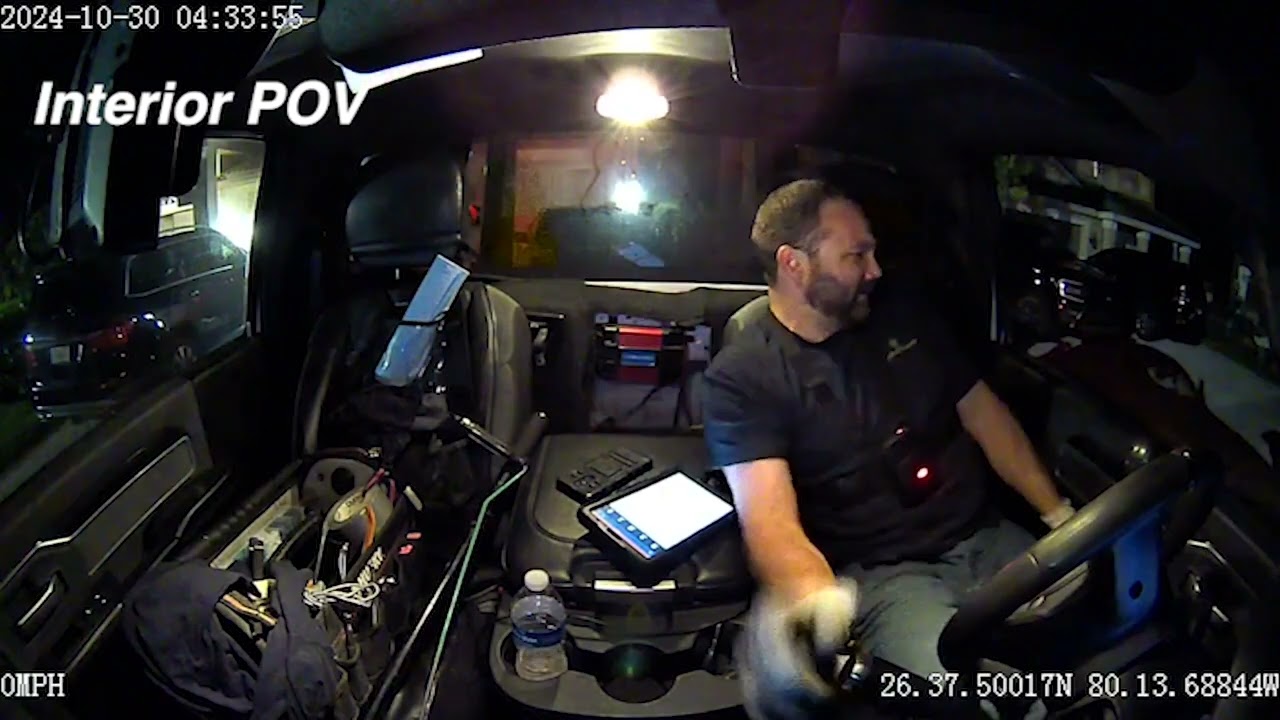
Rising insurance fraud is making it harder than ever for repossession companies to stay insured. Some have even shut down because of it. Elite Collateral Recovery faced a critical moment when staged accidents and false claims started to jeopardize its operations.
That’s when their founder, Max Piñeiro, turned to Vestige AI Cameras. With the right technology in place, the company not only protected its drivers but also safeguarded its company’s reputation.
Body-Worn Cameras: Personal Protection During Confrontations
Tow truck surveillance cameras mounted on the vehicle cannot follow the operator when they step away from the truck to perform a walk-around inspection, speak with law enforcement, or manage an increasingly common scenario where vehicle owners become confrontational. Body-worn cameras fill this critical gap by providing continuous personal protection regardless of where the operator moves.
Repossession operators face particularly acute risks during vehicle recovery. Vehicle owners who discover their car being repossessed often react with anger, threats, or physical aggression. The body-worn camera captures these interactions from the operator’s perspective, documenting verbal threats, aggressive movements, and any attempts to interfere with the legal repossession. This footage has proven invaluable in criminal proceedings when vehicle owners cross the line from verbal protest to physical assault or property damage.
The mere presence of a visible body camera often de-escalates confrontations before they turn violent. When a hostile vehicle owner sees that their behavior is being recorded, the calculus changes. Threats that might have been made in the heat of the moment are reconsidered. Physical aggression becomes less likely when the individual realizes that video evidence will be available to law enforcement and prosecutors. This deterrent effect has made body cameras standard equipment for repossession operators working in high-risk urban environments.
Body cameras also protect operators during interactions with law enforcement at accident scenes. When multiple agencies respond to a complex accident involving a tow truck, clear documentation of what the tow operator was instructed to do and when they were cleared to begin recovery operations can prevent misunderstandings and liability disputes. The body camera creates an unimpeachable record of these official interactions.
Real-Time Monitoring and Live Streaming Capabilities
Traditional tow truck dash cam systems store footage locally on SD cards or hard drives, requiring the truck to return to the yard before managers can review what happened during a shift. This delay creates blind spots that can prove costly when incidents occur. Modern tow truck camera systems with cellular connectivity enable real-time monitoring and live streaming, allowing dispatchers and managers to see exactly what’s happening in the field as events unfold.
When an operator activates their panic button or emergency alert during a hostile confrontation, the system can automatically begin streaming live footage to the dispatch center. Managers can assess the threat level in real-time, provide verbal support to the operator, and make informed decisions about whether to dispatch additional personnel or contact law enforcement. This immediate situational awareness has prevented minor confrontations from escalating into serious safety incidents.
Live streaming also enables remote coaching and quality assurance. When a new operator is learning proper hookup procedures, an experienced supervisor can watch the live feed and provide real-time guidance through radio communication. This remote mentoring capability accelerates training while ensuring that proper procedures are followed from the first day. It also allows managers to verify that operators are following safety protocols during high-risk recoveries without requiring a supervisor to be physically present at every job site.
The ability to access footage immediately after an incident, without waiting for the truck to return, transforms how towing companies respond to customer complaints and liability claims. When a vehicle owner calls claiming that the tow truck damaged their car, managers can pull up the relevant footage within minutes, review what actually happened, and provide a definitive response while memories are fresh and before false narratives solidify.
SalSon Logistics Case Study
John Lampersona, VP of Safety & Logistics at SalSon, was determined to protect his fleet—and his business relationships—from the crushing weight of multi-million dollar accident claims.
Lampersona transformed the situation by equipping his entire fleet with the Vestige Camera.
Real-time data significantly enhanced driver behavior, prevented false claims, and reduced accident-related costs, thereby revolutionizing SalSon’s safety culture.
Read more about how the Vestige Camera drives lasting change in the logistics industry.
GPS Integration: Documenting Location and Timeline
Tow truck cameras alone capture what happened, but GPS integration adds the critical context of where and when events occurred. This combination proves essential when defending against claims that require precise location and timeline documentation. When a vehicle owner claims their car was damaged at the impound lot rather than during transport, GPS data combined with PTO-triggered video creates an unbreakable chain of evidence showing exactly where the vehicle was when any damage occurred.
GPS tracking also protects operators during repossessions by documenting that they were at the correct address, that they remained on public property during the recovery, and that they departed the scene promptly after securing the vehicle. These location details become critical evidence when vehicle owners file complaints alleging trespassing, illegal entry, or extended harassment. The GPS record proves that the operator followed proper procedures and legal requirements throughout the recovery.
For towing companies operating under municipal contracts or serving law enforcement agencies, GPS integration provides the accountability documentation that these contracts increasingly require. When a city requires proof that response times met contractual obligations or that tow trucks only operated within designated service zones, GPS data combined with camera footage provides irrefutable evidence of compliance.
The combination of GPS and camera data also enables powerful fleet management capabilities. Managers can identify which operators consistently follow the most efficient routes, which trucks spend excessive time at recovery sites, and which teams complete jobs most quickly. This operational intelligence drives continuous improvement while the same system simultaneously provides liability protection.
Protecting Against Staged Accidents and Fraud
The Coalition Against Insurance Fraud reports that staged accident fraud costs $308 billion annually across all insurance sectors, and tow trucks present particularly attractive targets for these schemes. A tow truck carrying a high-value vehicle represents a potential six-figure insurance claim if fraudsters can successfully stage a collision and blame the tow operator. Forward-facing cameras with high resolution and wide-angle coverage document the road ahead, capturing the moment when a vehicle suddenly cuts in front of the tow truck or slams on brakes to cause a rear-end collision.
These cameras also capture the critical seconds before impact that reveal the fraud. Staged accidents often involve vehicles with multiple occupants who suddenly appear in the frame just before the collision, or vehicles that make illogical maneuvers that no legitimate driver would attempt. The camera footage shows these tell-tale signs of fraud, providing investigators and insurance adjusters with the evidence needed to deny fraudulent claims and potentially pursue criminal charges against the perpetrators.
Tow truck operators working in urban areas report that camera systems have virtually eliminated their exposure to staged accident schemes. Fraudsters specifically target vehicles without cameras because they know that camera footage will expose their scheme. When a tow truck displays visible cameras and warning stickers indicating that the vehicle is under video surveillance, fraudsters move on to easier targets.
The financial impact of preventing even a single staged accident claim can exceed the entire cost of a comprehensive camera system. When a towing company avoids a fraudulent injury claim that might have cost hundreds of thousands of dollars in legal fees, settlements, and increased insurance premiums, the return on investment becomes immediately apparent.
Insurance Premium Reduction and Claims Defense
Insurance carriers recognize that tow truck camera systems dramatically reduce both the frequency and severity of claims. Operators with comprehensive camera coverage demonstrate fewer at-fault accidents, resolve claims more quickly, and successfully defend against fraudulent allegations. This risk reduction translates directly into premium discounts that can range from 5-20% off annual insurance costs, depending on the carrier and the specific camera configuration deployed.
Beyond the premium discount, camera systems reduce the hidden costs of claims management. When an accident occurs, the insurance carrier can review footage immediately rather than conducting lengthy investigations involving witness interviews, accident reconstruction, and disputed narratives. This accelerated claims resolution reduces legal fees, adjusters’ time, and the administrative burden on the towing company. Claims that might have taken months to resolve can be closed within days when clear video evidence is available.
Camera footage also prevents claims from being filed in the first place. When a minor incident occurs, and the other party considers filing a claim, the knowledge that the tow truck has comprehensive camera coverage often leads to the claim being withdrawn. People who might have exaggerated injuries or damages reconsider when they know that video evidence will contradict their story. This deterrent effect eliminates nuisance claims before they generate legal and administrative costs.
For towing companies operating on thin profit margins, the combination of premium discounts and reduced claims costs can mean the difference between profitability and financial struggle. The camera system pays for itself through insurance savings alone, while simultaneously providing the operational and safety benefits that protect the business and its employees.
Fleet Multi-Cameras & GPS Tracking
Fleet GPS relays timely location updates and customized alerts. Capture a 360-degree view with our premium camera solutions.
By choosing advanced systems, businesses can unlock a range of features that improve safety, efficiency, and protection:
360-Degree Coverage
Monitor the full vehicle interior and exterior to ensure passenger and driver safety.
High-Definition Footage
Capture clear, reliable video evidence to resolve incidents.
Event Based Alert
Automatic recording of critical incidents, such as sudden stops or hard braking.
Real-Time Monitoring
Enable live-streaming for fleet managers to respond to emergencies quickly.
Cloud Storage
Store footage securely with easy access for future review.
GPS Integration
Track vehicle locations and routes for improved efficiency.
Night Vision Capabilities
Maintain visibility in low-light conditions to ensure safety during nighttime trips.
Installation Considerations and System Configuration
Selecting the right tow truck camera system requires understanding the specific operational requirements of towing and recovery work. The cameras must withstand constant vibration, extreme temperatures, and exposure to road salt, chemicals, and debris. Industrial-grade cameras designed for commercial vehicle applications provide the durability that towing operations demand, while consumer-grade dash cams fail within months under these harsh conditions.
Camera placement must account for the unique sight lines and blind spots created by tow truck equipment. The boom, wheel lift, and other recovery apparatus create visual obstructions that standard fleet camera configurations don’t address. A towing camera installer with specific experience in recovery vehicle applications understands these challenges and can position cameras to maximize coverage while avoiding equipment interference.
Wiring and power management become more complex in tow trucks due to the multiple electrical systems operating simultaneously. The camera system must integrate with the truck’s primary electrical system, the PTO activation circuit, and potentially auxiliary lighting and emergency equipment. Professional installation ensures that camera power remains stable during high-draw events like winch operation, preventing the system from shutting down at the exact moment when recording is most critical.
Storage capacity and cellular data management require careful planning. A tow truck operating in a busy urban market might trigger PTO recording dozens of times per shift, generating significant video files that must be uploaded to cloud storage. The system must balance video quality with data usage, ensuring that critical footage is preserved without exceeding cellular data plans or creating upload backlogs that delay footage availability.
Training Operators to Maximize System Value
Installing cameras represents only half the equation. Operators must understand how to use the system effectively, when to manually trigger recording, and how to preserve footage when incidents occur. Comprehensive training ensures that operators view cameras as protective equipment rather than surveillance tools, fostering cooperation rather than resistance.
Operators need clear protocols for what to do when the system alerts them to an incident or when they experience a confrontation. Should they immediately notify dispatch? Should they verbally narrate what’s happening for the audio recording? Should they position themselves to ensure their body camera captures the interaction? These operational procedures transform the camera system from passive recording equipment into an active safety tool.
Training should also cover the legal and privacy considerations that govern camera use. Operators must understand when they can and cannot record, how to handle requests from law enforcement for footage, and what to tell vehicle owners who object to being recorded. Clear policies prevent legal complications while ensuring that operators can confidently use their cameras in any situation.
Regular review sessions where managers and operators watch footage together create powerful learning opportunities. When an operator handles a difficult situation particularly well, sharing that footage reinforces best practices across the team. When an incident reveals a safety gap or procedural error, the footage enables specific, constructive coaching rather than vague criticism.
Compliance with Industry Regulations and Standards
Towing and recovery operations fall under various regulatory frameworks depending on jurisdiction and the specific services provided. When towing companies work under municipal contracts, serve law enforcement agencies, or operate in states with specific towing regulations, camera systems can provide the documentation needed to demonstrate compliance with these requirements.
Some jurisdictions require tow truck operators to document vehicle condition before and after towing, creating a legal mandate for camera coverage. The multi-angle camera system automatically generates this documentation during every PTO-triggered event, ensuring compliance without requiring operators to take separate photographs or complete additional paperwork. This automated compliance documentation reduces administrative burden while providing stronger evidence than manually captured photos.
For companies performing repossessions, camera systems document compliance with regulations governing repossession conduct. Many states prohibit repossession operators from breaching the peace, entering locked garages, or using force against vehicle owners. Camera footage proves that operators followed these legal requirements, protecting the company from allegations of illegal repossession practices.
Privacy laws in some jurisdictions require notification that a recording is taking place. Visible camera housings and warning stickers on tow trucks provide this notice, ensuring compliance with two-party consent laws while simultaneously enhancing the deterrent effect that prevents confrontations.

Vestige featured in Charlotte Business Journal
The leader in safety technology is featured following the opening of its new office to support the expanding sales and support teams, which serve thousands of clients across North America.
Integration with Existing Fleet Management Systems
Tow truck camera systems deliver maximum value when integrated with existing dispatch, GPS tracking, and fleet management platforms. This integration eliminates duplicate data entry, ensures that camera footage is automatically associated with specific service calls, and enables managers to review complete operational records that combine location data, service times, and video evidence.
When a dispatcher assigns a recovery job, the integrated system automatically begins monitoring the assigned truck’s location and camera status. If the operator arrives at the scene but fails to activate PTO recording within an expected timeframe, the system can alert dispatch that something unusual is occurring. This real-time monitoring capability enhances both operational efficiency and operator safety.
Integrated systems also streamline billing and documentation. When a tow is completed, the system can automatically attach relevant camera footage to the service record, creating a complete package that includes GPS route, time stamps, and video documentation of the vehicle’s condition. This comprehensive record supports billing accuracy and provides immediate evidence if the customer later disputes charges or claims damage.
For companies operating multiple trucks across large service areas, integration enables centralized monitoring and management. Managers can view live feeds from any truck, access historical footage from any service call, and generate reports that combine operational metrics with safety performance data. This unified platform eliminates the need to log into separate systems for cameras, GPS, and dispatch.
Cost-Benefit Analysis: Investment vs. Protection
A comprehensive tow truck camera system represents a significant upfront investment, with costs varying based on the number of cameras, storage capacity, cellular connectivity options, and installation complexity. However, the financial protection provided by these systems far exceeds their cost when measured against the potential liability exposure that towing operations face.
Consider the cost of a single serious accident claim. Legal defense fees alone can exceed $50,000 before the case reaches trial. If the claim proceeds to a verdict, damages can easily reach six or seven figures, particularly when serious injuries are involved. Camera footage that definitively proves the tow truck operator was not at fault can eliminate these costs, providing a return on investment that dwarfs the system’s purchase price.
The insurance premium reductions available to camera-equipped fleets create ongoing annual savings that accumulate over the system’s operational life. A towing company with five trucks might save $10,000 to $15,000 annually in insurance costs, recovering the system’s cost within two to three years while continuing to generate savings for years afterward.
Operational efficiency gains add another dimension to the return on investment calculation. When managers can remotely verify that jobs were completed properly, resolve customer disputes within minutes, and identify training opportunities through footage review, the time savings translate into reduced administrative costs and improved customer satisfaction.
Storm Response and Emergency Towing Documentation
Natural disasters and severe weather events create massive demand for towing services while simultaneously creating some of the most dangerous operating conditions that tow truck operators face. Storm response operations involve working in flooded areas, navigating debris-covered roads, and operating around downed power lines and damaged infrastructure.
Camera systems document these hazardous conditions, creating evidence that protects operators when accidents occur in chaotic storm response environments. When a tow truck is damaged by hidden debris or when an operator must make split-second decisions to avoid hazards, the camera footage shows the conditions they faced and the reasonableness of their actions.
Storm response also generates higher volumes of disputed charges and damage claims. Vehicle owners whose cars were flooded or damaged in storms often dispute towing charges or claim that additional damage occurred during recovery. Camera footage showing the vehicle’s condition when the tow truck arrived, the recovery process, and the condition upon delivery resolves these disputes quickly and definitively.
For towing companies working under emergency contracts with municipalities or state agencies, camera documentation proves compliance with emergency response protocols and provides accountability for the services billed. This documentation supports prompt payment and protects against audits or disputes over emergency billing rates.
Frequently Asked Questions
At minimum, a tow truck should have a forward-facing camera, a driver-facing camera, and at least one camera covering the hookup zone. This three-camera configuration captures road conditions, operator behavior, and the critical hookup process where most liability disputes originate. However, adding side-facing and rear cameras provides significantly more comprehensive protection, particularly for companies performing repossessions or handling high-value vehicles where damage claims are more likely.
Retention requirements vary by jurisdiction and the type of towing services provided, but most towing companies retain footage for at least 30 days. This timeframe allows for claims to be filed and footage to be reviewed before automatic deletion occurs. For incidents where a claim has been filed or litigation is anticipated, footage should be preserved indefinitely. Cloud-based storage systems with automated retention policies ensure that routine footage is deleted on schedule while flagged incidents are preserved permanently.
Yes, most commercial insurance carriers offer premium discounts for tow trucks equipped with comprehensive camera systems. The discount amount varies by carrier but typically ranges from 5-20% of annual premiums. Beyond the immediate discount, camera-equipped trucks demonstrate lower claim frequency and severity, which can lead to more favorable rates at renewal. The combination of upfront discounts and long-term rate improvements often exceeds the cost of the camera system within the first few years.
Legal requirements vary by state, but in most jurisdictions, visible cameras and signage indicating video recording are taking place satisfy notification requirements. Some states with two-party consent laws for audio recording require explicit notification before recording conversations. Towing companies should consult with legal counsel in their operating jurisdictions to ensure compliance with local recording laws while maximizing the protective value of their camera systems.
PTO-triggered systems automatically begin recording when the tow truck’s power take-off mechanism activates, capturing the specific moments when the truck is hooking up or releasing a vehicle. This targeted recording approach reduces storage costs and makes finding relevant footage much easier than sorting through hours of continuous highway driving footage. However, many comprehensive systems combine both approaches, using continuous recording during transit with enhanced multi-camera recording triggered by PTO activation during hookups.
Protecting Your Operations with Comprehensive Camera Coverage
The combination of multi-angle vehicle cameras, PTO-triggered recording, body-worn cameras, and GPS integration creates a defensive shield that protects tow truck operators from the unique risks they face daily. This technology transforms towing operations from vulnerable, he-said-she-said scenarios into documented, evidence-based operations where truth prevails over false allegations.
VestigeView provides purpose-built camera solutions designed specifically for the towing and recovery industry, with configurations that address the unique sight lines, triggering requirements, and durability demands of tow truck operations. Our systems integrate seamlessly with existing fleet management platforms while providing the real-time monitoring and instant footage access that towing companies need to protect their operators and defend their businesses. Request a demo to see how comprehensive camera coverage can transform your towing operation’s safety and liability protection, or contact our team to discuss a customized configuration that addresses your specific operational requirements.
Camera systems document these hazardous conditions, creating evidence that protects operators when accidents occur in chaotic storm response environments. When a tow truck is damaged by hidden debris or when an operator must make split-second decisions to avoid hazards, the camera footage shows the conditions they faced and the reasonableness of their actions.
Storm response also generates higher volumes of disputed charges and damage claims. Vehicle owners whose cars were flooded or damaged in storms often dispute towing charges or claim that additional damage occurred during recovery. Camera footage showing the vehicle’s condition when the tow truck arrived, the recovery process, and the condition upon delivery resolves these disputes quickly and definitively.
For towing companies working under emergency contracts with municipalities or state agencies, camera documentation proves compliance with emergency response protocols and provides accountability for the services billed. This documentation supports prompt payment and protects against audits or disputes over emergency billing rates.
Get Started with Vestige Today
Vestige is committed to delivering top-tier GPS fleet tracking and dash cam solutions tailored to your business needs. Here’s why businesses across the globe trust us:
24/7 Customer Support:
Our team is always here to assist you, whether you have a question about your fleet dash cam system or need help analyzing GPS fleet tracking data.
Seamless Integration:
Our systems are easy to install and integrate with your existing fleet management tools. You’ll be up and running in no time, with both GPS fleet tracking and dash cam footage available at your fingertips.
Scalable Solutions:
Whether you have a fleet of 5 or 500 vehicles, our GPS fleet tracking and dash cam solutions can scale with your business. From small operations to large corporations, we’ve got the right tools for every fleet size.
Don’t leave your fleet management to chance. Invest in Vestige’s advanced GPS fleet tracking and dash cam technology and gain the insights you need to improve safety, efficiency, and accountability.
Contact us today to learn how our fleet dash cam solutions can transform the way you manage your fleet.
Speak With A Fleet Specialist
Learn more about the Vestige AI Camera System
Find out more about our camera system and how our customers have utilized our smart camera solution to improve their fleets.