In the competitive world of fleet operations, margins matter. Whether you’re running a local delivery service or managing hundreds of commercial vehicles across the country, unnecessary fuel costs can eat away at your bottom line fast.
One of the most overlooked sources of waste?
Vehicle idling.
It may seem innocuous, but every minute that a vehicle spends idling is another minute of engine wear and tear, and this can really add up over the course of a vehicle’s life.
Thanks to modern AI-powered fleet technology, reducing idle time is now easier, more measurable, and more profitable than ever.
In this post, we’ll explore why idling matters, the hidden costs it creates, and how platforms like VestigeView help fleets
- reduce fuel waste
- improve compliance
- and operate more sustainably
What Is Vehicle Idling and Why Does It Matter?
In the simplest terms, vehicle idling happens when an engine is left running while the vehicle is stationary—often during stops, rest breaks, or in traffic.
While it may seem harmless, idling means that a vehicle is consuming fuel and working the engine but without moving goods or providing value.
It can be especially common during the depths of winter or the broiling days of summer, when drivers keep an engine running to stay warm and cool. For that reason, it’s difficult to set a hard and fast universal rule to prohibit idling across any fleet, but there are some common practices fleet managers deploy to drive down the costs associated with idling.
Idling is a simple loss of time, money, and vehicle value.
For fleet managers, this adds up fast. Consider:
- A truck idling for just one hour can burn up to 1 gallon of fuel.
- Across the U.S., idling wastes over 6 billion gallons of fuel every year (DOE).
- With these rates in mind, know that a truck idling 2 hours per day could cost $3,000–$5,000 annually in fuel alone
And that’s just the beginning. The costs add up quickly, as does the environmental harm. That’s why so many school districts and municipalities have created no-idling zones.
See how SalSon Logistics turned a $9 million insurance problem into a strategic advantage
Accident payouts dropped from six‑figure annual totals to under $200,000 by 2024.
Better yet, drivers are protected, insurers are competing for their business, and a stronger safety culture now fuels their profitability.
The True Cost of Vehicle Idling
Fuel Waste
With diesel hovering around $3–$5 per gallon, idling is quite literally money going up in smoke. Across a fleet, even small idling habits can turn into six-figure annual losses.
Higher Maintenance Costs
Repetitive and long-term idling will reveal some telltale signs in vehicles.
This might include the buildup of carbon in certain areas, damage to the exhaust system, and/or spark plug failure.
Vehicles that have experienced enough idling to have these issues will also likely need a greater amount of maintenance, such as more frequent oil changes, which will in turn delay a fleet and rack up plenty of extra costs. It’s much more than just burning fuel, it’s the costs associated with maintenance that make idling so costly to your fleet.
Environmental Impact
Idling vehicles release millions of tons of CO₂, nitrogen oxides, and particulate matter—contributing to air pollution and climate change.
According to the EPA, idling contributes about:
- 11 million tons of CO₂ annually
- 55,000 tons of NOₓ
- 400 tons of particulate matter
These numbers are staggering and highlight just how widespread the effects of idling are to the environment.
While harmful emissions might be an inevitability when discussing trucks, it’s important to remember that emissions from idling are a complete waste, as the vehicle is not being used for its intended or useful purpose(s) of hauling cargo.
This isn’t just a health and sustainability issue—it’s a growing compliance risk.
While the federal government is not involved in any idling enforcement, many cities impose costly fines on idling trucks. CBS News reported that one New York City man makes more than $100,000 by recording commercial vehicles idling and turning them over to the city for enforcement. He keeps 25 percent of the fine.
Regulatory Risks: Anti-Idling Laws Are Expanding
Today, over 30 states and Washington, D.C. enforce some form of anti-idling law (EPA anti-idling map). These rules vary by location but typically limit idling to 3–15 minutes and impose fines for violations.
Cities and states throughout the United States have long had rules in place that define the penalties for excessive idling. The general fine in California, for example, is $250; the same can be said for Chicago.
While these are specific cases, they serve to highlight the fact that locales across the country have stepped up to monitor idling and its emissions. Air quality and the noise are genuine quality of life concerns that prompt municipalities to strictly enforce anti-idling ordinances.
These penalties may seem small on the surface, but over time and given enough instances, they can add up to a major financial burden for some fleets.
By limiting idling time, regulators are seeking to directly cut the environmental impact of vehicles that are not currently hauling cargo or contributing to the supply chain in motion.
If your fleet crosses state lines, compliance can be a nightmare—unless you’re tracking idle time with the right tools.
With Vestige’s idling dashboard, you can train your problematic drivers and promote good behavior to keep you off lists that media outlets are creating to highlight the worst idling offenders.
How Fleet Tech Solves the Idling Problem
Modern fleet management platforms like VestigeView help companies tackle idle time with real-time visibility, automation, and AI.
Here’s how:
Real-Time Idle Tracking
With technology engineered to track drivers along their routes, one glance at your dashboard will tell you whether or not a given vehicle is in motion.
This means that Vestige’s system detects idle events across your entire fleet—so you know exactly when, where, and how long vehicles are idling.
When it comes time for routine maintenance, you’ll be able to confirm which vehicles have been experiencing excessive idling and, as a result, what kind of wear and tear they’ve been subjected to.
Smart Alerts & Thresholds
You can set custom idle thresholds. If a driver exceeds them, the system can trigger real-time alerts or log the behavior for review.
With these alerts and thresholds logged, you’ll have a better idea of which drivers need to be informed of their idling habits and which vehicles are experiencing more wear and tear due to repetitive idling.
Many Vestige clients have in-house safety and compliance managers who track the AI safety alerts and idling alerts, providing real-time coaching to drivers.
Driver Behavior Insights
VestigeView’s AI-powered dash cams and 360-degree multi-cams, as well as telematics solutions analyze driver behaviors and patterns, identify high-idle operators, and support targeted coaching.
By coaching drivers on more sustainable idling practices, your vehicles will last longer, and you may see a direct and significant reduction in fuel and maintenance costs across your fleet. Reducing idling is not a one-and-done exercise but requires constant vigilance and training, as drivers often need to break years of bad habits.
Sustainable fleet practices and driver behavior start with breaking old habits and patterns.
For some lifelong drivers, idling may have never been a point of concern like it is today, and this means that old behaviors must be broken by supportive coaching and data-driven reminders.
Productive vs. Unproductive Idling
Not all idling is created equal, however. There are such things as heating and cooling and power take-off (PTO) idling, which are actually useful to drivers.
PTO, for example, is engaged when the vehicle is powering auxiliary equipment. This might be something like a crane or a dump truck bed, where energy is not being used to propel the truck but is being used for more than just sitting in one spot with the engine.
Vestige’s software does that too—so you don’t penalize necessary operations.
Results That Matter: The Business Case
Fleets that implement idle management tech often report:
- Direct reductions in fuel use & costs as vehicle engines run for less time, and are used more efficiently while they are running
- Extended engine life across vehicle fleet(s), as engines experience less wear-and-tear outside of daily use hauling goods and cargo
- Fewer surprise maintenance visits & loss of profits as vehicles sit in the garage with unexpected problems and issues
- Improved compliance with anti-idling laws & emissions regulations, helping to eliminate any potential fines and stay in good standing with regulators
- Lower carbon emissions and reduced environmental impact, helping your business be a more responsible member of the community and industry
Don’t wait—every vehicle idling in your fleet longer than necessary is cutting into the efficiency of your business.
Why VestigeView?
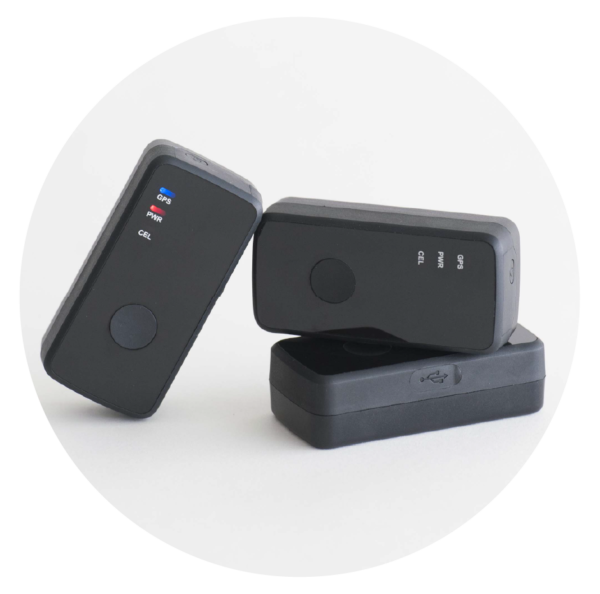
Vestige combines cutting-edge hardware (AI dash cams, telematics devices) with intelligent software to provide:
- Real-time fleet and idle monitoring: see where drivers are, when they were there, and whether or not they were moving
- Driver coaching tools: help drivers understand the impact(s) of their actions and make sure they go forward knowing best practices.
- Customized compliance reporting: ensure that you have the data you need, when you need it, to satisfy any audits or questions from regulators
- Route optimization and fuel analytics: Improve your fleet’s efficiency by determining the most optimal routes for fuel and time efficiency
- Integration with your existing systems: Vestige works seamlessly alongside your other fleet management tools to give you total control over your drivers, assets, and fleet deliveries
With VestigeView, you’re not just tracking idle time—you’re turning it into action that saves money and boosts performance across your fleet. Vestige is the premier fleet and people safety solution with a comprehensive portfolio of safety solutions, including body cameras that deliver affordable proof of service as well as the PERSA panic button.
TRUSTED BY INDUSTRY LEADERS


Ready to Eliminate Waste and Drive Efficiency?
Vehicle idling may be costing your business more than you think.
With the right tools, you can eliminate that waste, reduce emissions, and improve fleet performance—all without adding work for your drivers.
VestigeView’s AI-powered solutions make it easy to:
- Track idle time
- Coach smarter driving habits
- Stay compliant with state laws
- Cut fuel and maintenance costs
Schedule a call today to see how VestigeView can help you drive more value from every vehicle in your fleet.