Workplace violence has reached a crisis point that regulators can no longer ignore. According to the Bureau of Labor Statistics’ 2021-2022 workplace violence data, there were 57,610 nonfatal workplace violence cases requiring days away from work, job restriction, or transfer. More significantly, fatal workplace homicides increased 8.9% to 524 deaths in 2022, which is the highest level since 2011.
This alarming trend has prompted the Occupational Safety and Health Administration to take unprecedented enforcement action. Companies now face fines exceeding $100,000 for failing to maintain adequate emergency response systems and documentation protocols. In 2024, OSHA cited Circles of Care, a Florida healthcare provider, with penalties totaling $101,397 for workplace violence prevention failures.
Protecting workers from violence isn’t just about having a panic button. It’s about demonstrating a comprehensive, documented approach to prevention, response, and continuous improvement.
OSHA’s Enforcement Under the General Duty Clause
For decades, workplace violence prevention existed in a regulatory gray area. While OSHA’s General Duty Clause required employers to provide a workplace “free from recognized hazards”, enforcement was inconsistent. However, that has changed dramatically.
OSHA is now treating inadequate violence prevention programs with the same seriousness it applies to fall protection violations. The agency’s 2025 penalty structure allows for fines up to $16,131 for serious violations and $161,323 for willful or repeated violations. More importantly, OSHA is conducting targeted inspections across healthcare, retail, transportation, and manufacturing. These are industries where workplace violence incidents are most prevalent.
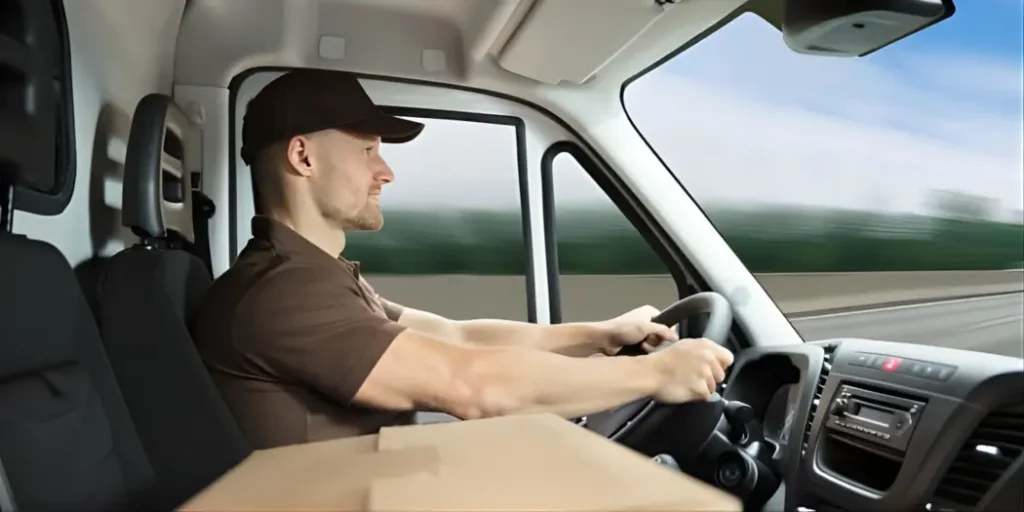
Bureau of Labor Statistics data shows healthcare and social assistance accounts for 72.8% of all workplace violence cases in private industry, with an incident rate of 14.2 cases per 10,000 full-time workers. Transportation and warehousing workers face significant risk as well, with 81.6% of workplace violence cases resulting in days away from work. Field employees like delivery drivers, service technicians, and utility workers are particularly vulnerable because they work alone without on-site security.
How San Diego’s MCRT Keeps Responders Safe with Vestige’s PERSA safety solution
The work of San Diego’s Mobile Crisis Response Team (MCRT) is courageous, compassionate and inherently dangerous. Responders often enter volatile, unpredictable situations to support individuals in the throes of a mental health crisis.
The Documentation Gap That Triggers Citations
Most organizations implemented panic button systems with good intentions but inadequate foresight. A button that calls 911 addresses the immediate emergency, but it doesn’t create the comprehensive paper trail OSHA demands. OSHA’s enforcement guidance reveals consistent deficiencies in workplace violence prevention documentation:
Missing Timestamps and Response Metrics: When an employee activates a panic button, does your system automatically record when the button was pressed, when responders were notified, when they arrived, and when the incident was resolved? Without precise timestamps, you cannot prove your response was adequate or identify improvement opportunities. OSHA expects documented response times, not just alerts.
Incomplete Incident Reports: A panic button activation requires thorough documentation, capturing what happened before the button was pressed, how the situation unfolded, who responded, what actions they took, and what the outcome was. Standalone panic buttons generate an alert, but there is no documentation framework. OSHA wants to see detailed incident reports for every activation, including witness statements and evidence of appropriate response protocols.
No Post-Incident Follow-Up: Traditional systems provide no mechanism for documenting post-incident actions. OSHA expects proof that you reviewed incidents with affected employees, offered appropriate support, conducted root cause analysis, and implemented preventive measures. Every incident should drive documented improvement.
Inadequate Testing Records: Regular panic button testing is required, but you need documented proof showing which buttons were tested, when, who performed the test, whether the button functioned properly, response times during tests, and corrective actions for failures. Scattered emails or paper logs don’t satisfy OSHA’s standards.
Training Documentation Gaps: OSHA investigators will ask to see training records proving employees knew how to use the panic button system. If your panic button exists independently from your training documentation platform, gathering this evidence becomes nearly impossible during an investigation.
What OSHA-Compliant Documentation Requires
OSHA’s enforcement actions under the General Duty Clause reveal specific documentation elements that separate compliant organizations from those facing citations.
Real-Time Incident Capture
The moment an employee activates a panic button, your system should automatically generate an incident record capturing precise timestamps, location data (GPS coordinates for mobile systems), employee information, and incident classification. This real-time documentation eliminates the transcription errors and omissions that plague manual systems.
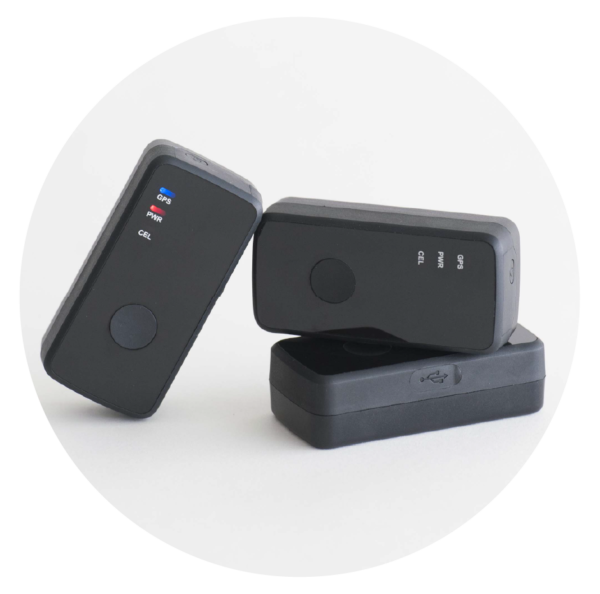
For field employees, GPS tracking and location monitoring become critical. If a delivery driver or service technician activates a panic button, responders need to know their exact location immediately, not rely on the employee being able to verbally communicate where they are during a crisis.
Comprehensive Response Documentation
OSHA wants documented evidence of who responded to incidents, what specific actions they took, how situations were resolved, and what witness statements were captured. An incident record that ends with “panic button pressed” is insufficient. Your documentation must show the complete response chain and prove that your response was appropriate to the threat level.
Post-Incident Follow-Up Records
This is where most documentation systems fail. OSHA doesn’t just want to know what happened—they want proof that you learned from incidents. Documentation should show employee support offered, root cause analysis conducted, specific corrective actions implemented, and effectiveness monitoring to verify that those changes reduced risk.
Training and Testing Documentation
When employees receive training on panic button systems and workplace violence prevention, that training must be documented with dates, duration, topics covered, and competency verification. OSHA expects regular refresher training, not one-time sessions. Similarly, system testing must be documented with schedules, results, response times, and corrective actions for any failures.
Why Integrated Systems Matter for Compliance
The complexity of OSHA’s documentation requirements explains why standalone panic buttons create compliance gaps. Modern fleet safety platforms approach documentation as core functionality rather than an afterthought.
When an employee activates a panic button on a mobile device, integrated systems immediately capture GPS coordinates, timestamp, device ID, and user information. That data automatically populates an incident report template. As responders take action, such as contacting the employee, notifying law enforcement, and dispatching supervisors, every step is logged automatically. The entire incident lifecycle exists in a single, auditable record.
Perhaps most valuable is the ability to generate compliance reports on demand. When OSHA requests documentation of your workplace violence prevention program, you should produce comprehensive reports within minutes showing:
- Incident summaries by location, type, severity, time, and outcome
- Response time analytics demonstrating adequate staffing
- Training compliance rates prove a trained workforce
- Testing compliance showing functional emergency systems
- Corrective action tracking demonstrating continuous improvement
This automated reporting transforms OSHA investigations from frantic evidence-gathering exercises into routine compliance demonstrations.
TRUSTED BY INDUSTRY LEADERS


 Mike Stahnten
Trustindex verifies that the original source of the review is Google.
I have been a customer of Vestige for over 5 years. Megan and Corey do an awesome job and get us whatever we requested extremely quickly whether it’s an emergency that we need video of or a simple report we want! Their system has saved us from several Faldo claims and the software has never let us down! Jake CrainVery effective and reliable resource in the field. Product is durable and does everything you’ll need from A-Z, remember you get what you pay for so why not get the best you can. Thank you Vestige for your support and business in this demanding field!
 Drake SawmillOne of our trucks lost a drive line and no parts houses had one in stock. We were able to find it by watching the video from the side camera to see where it landed. Excellent product, and customer service at Vestige is excellent! Much better than other dash cam companies we have used in the past. Highly recommend.
 Dan De La TorreGreat products and Service... we were hesitant about getting the Dashcam Service but within a few months it basically paid for itself due to an accident we had that could have been considered our fault but thanks to the camera I was actually able to share it with the Trooper that worked the accident. Not sure how many different set ups they offer but we are very happy with the basicly Live DashCam service we got that also has GPS integrated . Its great having it all in one App.
Mobile Systems and Field Worker Protection
Field employees face elevated workplace violence risk because they work in unpredictable environments without backup. Traditional panic buttons mounted in facilities provide zero protection for delivery drivers, service technicians, or utility workers whose workplace is constantly changing.
Modern mobile panic button systems turn employees’ devices into integrated safety tools. The panic button travels with employees, and GPS tracking enables help to reach their exact location. Critically, these systems maintain the same documentation standards regardless of where incidents occur, ensuring consistent compliance whether employees work in facilities or the field.
Integration capabilities are equally important. When an employee presses a panic button, integrated platforms can simultaneously generate incident reports, notify key personnel, create workers’ compensation claims if needed, and trigger video recording from nearby cameras. This eliminates documentation silos and creates a unified safety ecosystem.
The Legal and Financial Stakes
The six-figure OSHA fines represent only part of your liability exposure. Inadequate documentation creates vulnerabilities, including:
Workers’ Compensation Issues: Without thorough incident documentation, claims become disputed, raising costs and damaging relationships with injured employees.
Personal Injury Lawsuits: Employees increasingly file negligence lawsuits against employers after workplace violence. Comprehensive documentation proving you had functional systems, conducted training, and responded appropriately becomes your legal defense.
Insurance Premiums: Workers’ compensation carriers consider workplace violence prevention programs when setting premiums. Documentation demonstrating effective systems, regular training, thorough investigations, and implemented corrective actions can qualify you for premium reductions.
Beyond financial considerations, inadequate documentation often reveals itself in employee retention problems. Exit interviews following workplace violence incidents frequently show that affected employees leave not because of the violence itself, but because they feel the organization didn’t take incidents seriously or failed to prevent recurrence. Documentation proves you’re learning and improving.
Moving Toward Compliance
The documented increase in workplace violence, combined with aggressive OSHA enforcement, creates urgency for fleet operations, field service organizations, and any business with mobile workers. Waiting to implement OSHA-compliant documentation until after an incident or during an investigation is reactive at best.
Start by conducting an honest assessment of current documentation capabilities. Can you quickly produce comprehensive records proving your systems work, employees are trained, and you’re continuously improving? If that takes more than a few minutes to compile, you have a compliance gap.
Review any workplace violence incidents from the past year. Do your incident reports capture timestamps, response actions, employee support, root cause analysis, and corrective actions? If incidents occurred but documentation is minimal, that indicates systemic problems.
Finally, evaluate whether your current panic button systems have integrated documentation capabilities or function as standalone alert devices. Standalone systems rely entirely on manual documentation processes that inevitably fail during high-stress incidents.
The technology for OSHA-compliant documentation exists. The regulatory requirements are clear. Organizations that implement comprehensive panic button systems with robust documentation capabilities protect themselves from fines, reduce liability exposure, and, most importantly, create genuinely safer working conditions for employees who face violence risks every day.
At Vestige, we help organizations protect mobile workers and field service teams with integrated fleet safety and emergency response solutions. Our camera-driven technology delivers real-time visibility, faster incident response, and clear video evidence, so you can reduce risk, improve accountability, and keep your operations running safely and efficiently.
Contact Vestige today to see how our fleet camera solutions can strengthen safety across every mile.
Trusted Safety Partners