
Lone Worker Panic Alarm Solutions: Enhance Safety with Advanced Alert Systems and Devices

Let us help you protect your people!
Discreet Wearable Design:
Compact, lightweight button that's easy to carry or wear—ideal for lone workers, educators, and healthcare staff.
Silent Emergency Alerts:
Send instant, silent distress signals with precise GPS location—no need to reach for a phone.
Real-Time GPS Tracking:
Live tracking for fast response and full visibility of employees in the field or in remote settings.
Seamless Platform Integration:
Automatically logs location, clock-in/out times, and emergency activity—all in one easy-to-use dashboard.
Regulatory Compliance:
Helps meet safety mandates like OSHA and Alyssa’s Law while reducing liability risks.
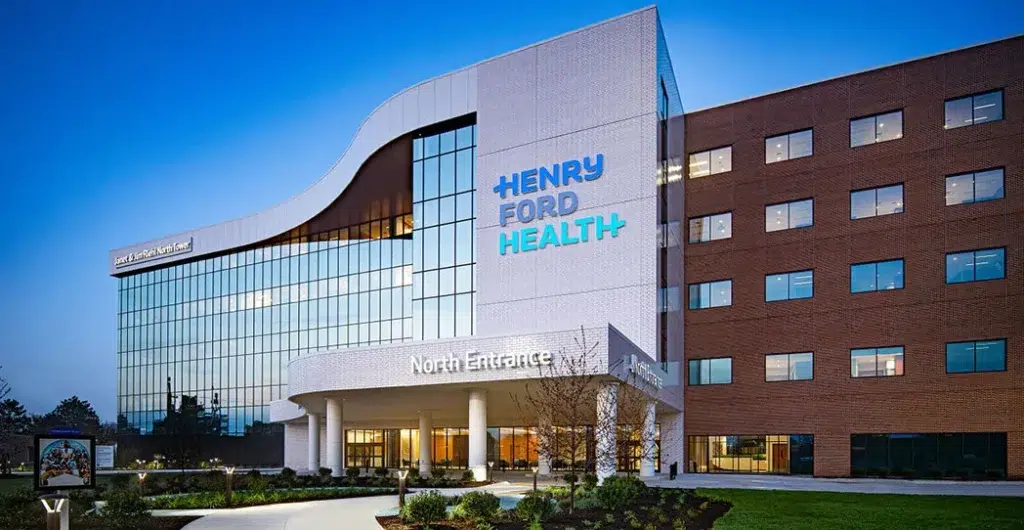
Henry Ford Health Chooses Vestige's Persa To Protect Remote Workers In Michigan
Simplicity, reliability and alert customization drive decision to deploy and retain Vestige PERSA safety solution
Across our workforce, thousands upon thousands of individuals at any given time might find themselves working alone as a normal part of their duties. This can be anyone from nighttime security guards to staff in isolated areas to healthcare workers who head out into the field alone to do home visits.
However, these workers encounter unique threats that many other typical nine-to-fivers often overlook. Sadly, the very fact of their isolation makes them a target for crime, some of which can even be violent, as well as an increased risk for disaster if anything goes wrong in the field (e.g., health incidents, accidents, etc.).
The growing prevalence of lone worker scenarios in modern business operations has highlighted the critical importance of implementing robust safety measures for isolated workers across industries. A dependable emergency alert system can significantly impact the outcome of emergency situations.

Understanding the Importance of Lone Worker Safety
Lone workers face unique challenges and risks across various industries, from utility workers servicing remote locations to healthcare professionals making home visits. These individuals often work in situations where immediate assistance isn’t readily available, making them particularly vulnerable to accidents, health emergencies, or security threats. The implementation of comprehensive safety systems becomes essential in these scenarios.
The healthcare industry exemplifies these risks with particularly alarming statistics. Healthcare workers are five times more likely to experience workplace violence than employees in other industries, and they account for 73% of all nonfatal workplace injuries and illnesses due to violence.
Clearly, there are numerous incidents that can occur in high-stress environments like emergency departments that require immediate, accurate, and serious intervention and help from the proper authorities and responders.
The growing prevalence of lone worker scenarios in modern business operations has intensified the need for comprehensive safety measures. Industries such as construction, healthcare, real estate, and utilities regularly deploy workers in isolated environments. This operational reality creates significant safety challenges that employers must address proactively through specialized safety solutions tailored to their specific industry needs.
Employers bear both legal and moral obligations to ensure worker safety. OSHA regulations require employers to provide a safe working environment, including appropriate safety measures for lone workers. Failure to implement adequate emergency alert protocols can result in serious legal consequences and substantial fines. Beyond compliance, protecting lone workers is fundamental to maintaining a responsible and ethical business operation.
Modern safety technology has evolved to address these challenges through integrated systems that combine multiple protection layers. Body-worn cameras work alongside panic button systems to provide comprehensive documentation and deterrence, while GPS tracking ensures rapid emergency response. This multi-faceted approach to worker protection has become the standard for responsible employers across high-risk industries.
Recent studies indicate that 44% of nurses reported experiencing physical violence and 68% reported experiencing verbal abuse during the COVID-19 pandemic.
Below are the alert levels you can forward:
Red Alert
An employee can send distress signals to request immediate assistance for a 911 call.
Yellow Alert
Users can report concerning situations to their team through text or email.
Regular check-in (Green code)
The system requires regular check-ins from professionals on duty.
Henry Ford Health trusts PERSA for mobile clinicians
The Michigan Health System turns to Vestige and its 24-hour call center to provide simple and affordable panic button technology to protect staff working in challenging environments.
TRUSTED BY INDUSTRY LEADERS




Top Lone Worker Safety Devices
Safety devices for isolated workers are specialized tools designed to provide quick access to emergency assistance when needed. These devices serve as a lifeline for isolated workers, enabling them to signal for help during critical situations. The best emergency alert systems combine multiple technologies to create a comprehensive safety net for at-risk employees.
Key features to look for in effective safety devices include:
- Robust construction for workplace durability
- One-touch emergency activation
- Extended battery life with low-power alerts
- Water and dust resistance
- Cellular and GPS connectivity
- Silent alarm capabilities
- Two-way communication features
The Vestige Personal Safety Wearable Panic Button exemplifies these essential features, offering reliable protection for lone workers. The device combines durability with user-friendly operation, ensuring workers can quickly activate emergency protocols when necessary. This system has been specifically designed to meet the demanding requirements of modern workplace safety standards.
Integration capabilities represent another crucial aspect of modern safety devices. The most effective emergency alert systems seamlessly connect with existing security infrastructure, creating a unified safety ecosystem. This integration enables faster response times and more coordinated emergency procedures, ultimately improving worker protection across all operational scenarios.
Personal Panic Alarms for Workers: Features and Benefits
For many lone workers, the best solution to any threats posed by outside agents is preparation.
Certain security measures, protocols, and operational standards can help guarantee the safety of isolated employees, and agencies such as OSHA themselves offer comprehensive information for employers on best practices in this realm.
Personal emergency devices allow workers to instantly signal for help in dangerous situations through simple activation methods like button presses or cord pulls, ensuring usability under stress. They transmit alerts instantly, notify emergency contacts, share real-time updates and locations, and connect to monitoring centers for rapid response.
These devices work indoors and outdoors, integrate with existing security systems, and offer customizable alert protocols. In healthcare and other sectors, they’ve proven invaluable for de-escalating threats and providing critical evidence. Their ease of use, reliability, and security features provide workers and supervisors greater peace of mind and enhance overall safety.
Supporting this point, comprehensive research on safety technology in hospitals shows that body cameras helped settle disputes 78% of the time and were used as court evidence 28.6% of the time, highlighting how technology-based safety solutions provide both immediate protection and long-term accountability.
Modern emergency alert systems now feature advanced monitoring, detecting behavior patterns, spotting threats early, and improving safety protocols. Some offer graded alerts, allowing standby assistance without triggering a full emergency. AI and machine learning enhance accuracy and responsiveness.
The Vestige personal safety solution adds real-time tracking and two-way communication for faster, more effective responses. This comprehensive approach ensures help is dispatched quickly and efficiently, providing workers with greater safety, preparedness, and confidence in hazardous or isolated environments.
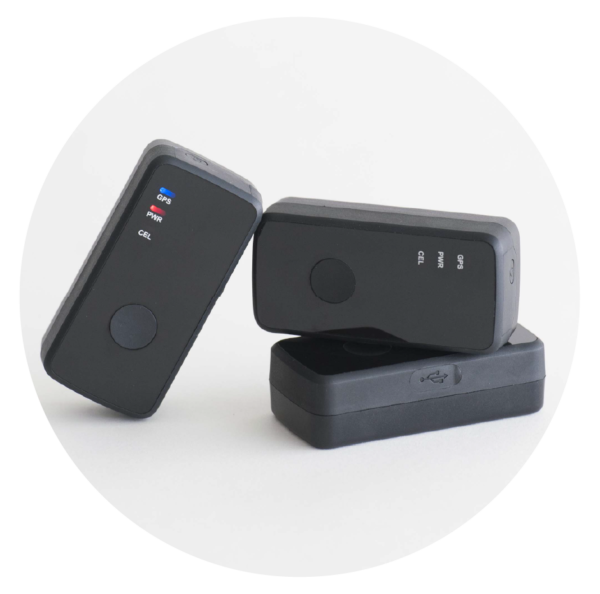
Employees are never alone with PERSA
Designed to be accessible any time you need it, PERSA is a wearable safety device and tracker complete with our software platform to ensure all remote or lone workers are safe 24/7.
- Employee clock-in and clock-out times
- Any off-site location their mobile employees may visit
- Mobile employees are on the best route to get to their site locations
Man Down Alarms: A Critical Component for Employee Safety
Man down alarms are an important improvement for keeping lone workers safe, as they use sensors to automatically spot emergencies by checking movement, position, and certain forces related to falls and other incidents.
These sophisticated devices can identify situations where workers may have fallen or become otherwise incapacitated, triggering immediate emergency responses. This automatic activation feature makes man-down technology an essential part of any comprehensive emergency alert system.
These systems are particularly vital in construction sites with fall risks, industrial facilities with hazardous materials, remote utility maintenance locations, and healthcare facilities during night shifts. The automatic nature of man-down detection ensures that even when workers cannot manually activate their emergency devices, help will still be summoned promptly.
Recent data demonstrates the critical need for such automated systems, especially in healthcare environments where workers frequently face unpredictable threats. The high rates of workplace violence in these settings make man-down alarms essential backup systems when workers cannot manually activate emergency protocols. This redundancy in safety systems significantly improves overall worker protection.
Man down alarms utilize accelerometers and positioning sensors to detect sudden falls or impacts, extended periods of motionlessness, unusual worker positions, and rapid changes in elevation.
The integration of man-down technology with existing safety systems creates a comprehensive protection network. Body-worn cameras for lone workers can work in conjunction with man-down alarms to provide visual documentation of incidents, helping emergency responders understand the situation better and respond more appropriately.
GPS Panic Alarms for Lone Workers: Enhancing Location Tracking
GPS-enabled emergency devices combine traditional alert functionality with precise location tracking capabilities. This integration significantly improves emergency response effectiveness by providing exact worker locations during crisis situations. The location accuracy provided by GPS-enabled systems can reduce emergency response times by significant margins.
Essential GPS alarm features include real-time location updates, geofencing capabilities, indoor positioning systems, historical location data, and emergency response coordination. These features work together to create a comprehensive tracking system that enhances the effectiveness of any safety device deployment.
We cannot overstate the importance of immediate location identification, especially in high-risk industries where seconds matter. Healthcare workers, for instance, often work in sprawling facilities or make home visits where quick location identification proves crucial during emergency situations involving workplace violence or medical emergencies. A GPS-enabled emergency system ensures that help arrives at the correct location without delay.
Modern GPS systems have evolved to include predictive analytics capabilities that can identify high-risk areas and times based on historical incident data. This intelligence allows employers to take proactive measures to prevent incidents before they occur, making emergency alert systems not just reactive but preventive as well.
Vestige’s GPS-enabled safety solutions offer comprehensive location tracking while maintaining privacy and security. The system provides accurate positioning data only during emergencies or scheduled check-ins, respecting worker privacy while ensuring safety through effective emergency response capabilities.
The integration of GPS technology with emergency systems has also enabled the development of sophisticated geofencing capabilities. These features allow employers to create virtual boundaries around work sites and receive alerts when workers enter or leave designated areas. This capability adds another layer of protection to the system, ensuring that supervisors maintain awareness of worker locations throughout their shifts.
Vestige's Persa Device For Remote Employee Safety
Wearable Panic Button
Employees in duress can send silent alarms with a thumb-sized activation button. With a swift movement, they can alert authorities and forward accurate location notifications and precise location details.
Maximum Visibility
Our PERSA technology offers an enterprise-grade GPS (Global Positioning System) tracker with real-time data. This feature finds a person’s exact location.
Wearability
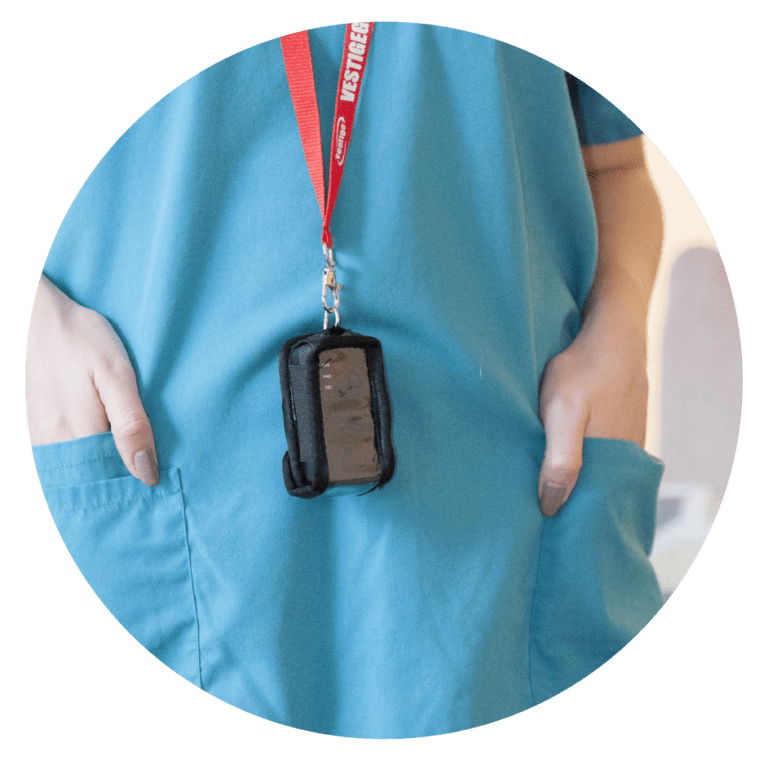
The Vestige pocket-sized device comes with a lanyard. This allows users to wear them around necks, belts, or bags.
Durability
With PERSA on your side, you won’t have to worry about daily charging or the elements. These gadgets are compact, water-resistant tools that can last up to two weeks on a full charge.
Custom Notifications
We don’t believe in one-size-fits-all solutions. Let us know which geofence alert notifications you want, and our team can make it happen.
Industry-Specific Applications and Considerations
Different industries pose particular difficulties regarding lone worker safety, requiring specialized approaches to implementing emergency alert systems.
Healthcare professionals routinely interface with agitated patients, family members, and other members of the public who may become even more aggressive if they realize a situation is being escalated with a call for help, making silent alarm capabilities essential. Employees on construction job sites encounter fall risks and equipment hazards, necessitating man-down detection features. Real estate professionals encounter security risks during property showings, requiring discrete activation methods.
The lumber and logging industry presents particularly challenging conditions for lone worker safety. Workers in these environments face risks from heavy machinery, falling trees, and remote locations with limited cellular coverage. Specialized safety solutions for lumber and logging operations must account for these unique challenges while providing reliable emergency systems even in areas with poor connectivity.
Emergency medical services and paratransit operations require specialized safety considerations due to the vulnerable populations they serve and the varied locations they visit. Camera solutions for paratransit operations can work alongside emergency alert systems to provide comprehensive protection for drivers and passengers alike.
Technology Integration and System Compatibility
Modern emergency systems integrate with existing security and communication infrastructure to ensure emergency alerts reach the right personnel and activate response protocols automatically.
Effective systems connect via cellular, Wi-Fi, and satellite for redundancy. Cloud-based monitoring platforms enable centralized oversight, real-time tracking across locations, automatic alert escalation, and detailed incident reporting, helping organizations spot trends and refine safety protocols.
Mobile apps add features like check-in reminders, safety tips, and direct communication with monitoring centers through intuitive interfaces. AI and machine learning improve these systems by studying behavior patterns, spotting threats early, and improving responses, which makes safety measures more proactive and effective.
Start Protecting Your Remote Employees Today
Are you ready to meet the security demands of modern organizations? An ESD is a cost-effective way to achieve your goals.
Many people think it’s a complicated process, but it doesn’t have to be. With Vestige on your side, you can provide guards, bouncers, and event staff with a compact, water-resistant, advanced safety device that they can comfortably wear 24/7.
There’s no other device quite like it on the market. It’s the ideal step to achieving your safety goals for personnel in your company. Request a demo now.
Training and Implementation Best Practices
Implementing emergency alert systems requires thorough training on device use, emergency procedures, and maintenance, reinforced with regular refresher sessions.
Change management is key; addressing privacy or complexity concerns through clear communication and demonstrating benefits will gain worker acceptance. Regular testing ensures batteries, signals, GPS, and communications function reliably, while scheduled maintenance prevents failures.
Documentation and incident reporting enable analysis, pattern recognition, and safety protocol improvements. This data supports regulatory compliance and showcases system value to stakeholders, ensuring the technology is both trusted and effective in protecting lone workers.
Cost-Benefit Analysis and Return on Investment
Implementing emergency alert systems can quickly offset initial costs through reduced insurance premiums, lower liability, and improved regulatory compliance. Preventing a single serious incident can justify the investment.
Enhanced worker confidence boosts productivity, job satisfaction, and retention by reducing stress and anxiety. Compliance also helps avoid costly OSHA fines, while system documentation provides valuable legal evidence.
Modern systems are scalable, allowing companies to start small and expand as needs and budgets grow, ensuring cost management while maintaining safety and compliance. Overall, the financial and operational returns often outweigh the upfront expense.
Future Trends and Technological Developments
Emergency alert technology is rapidly advancing with wearables, AI, and improved communication networks. Future systems may feature biometric monitoring to detect medical emergencies early through heart rate, stress, and other indicators.
5G and other enhanced communications network infrastructure will enhance reliability, speed, and capabilities like live video streaming and precise indoor positioning. IoT integration will link alarms to environmental sensors, cameras, and building systems for better context and response.
Augmented reality could provide real-time safety guidance, overlaying evacuation routes, hazard locations, and contacts in a worker’s view via smart glasses or mobile devices, creating more effective, connected, and proactive safety solutions.
For comprehensive GPS and panic button solutions tailored to your specific needs, contact Vestige today. Our expert team will help you select and implement the perfect safety system for your organization, ensuring maximum protection and peace of mind through proven technology that delivers measurable improvements in emergency response capabilities.
Request a demonstration to see how modern emergency alert technology can enhance your organization’s safety protocols.
Frequently Asked Questions
Safety devices provide immediate emergency assistance, real-time location tracking, and automated incident detection, significantly reducing response times during critical situations. A properly implemented emergency alert system can substantially improve response times compared to traditional communication methods.
Personal devices are portable, worker-worn systems offering immediate emergency notification capabilities, whereas traditional alarms are typically fixed installations with limited mobility. The portability of emergency alert devices ensures protection follows the worker regardless of location
Man-down alarms automatically detect potential emergencies, making them crucial in high-risk environments where workers might become incapacitated and unable to manually activate an alarm. This is particularly important in healthcare settings, where up to 89% of workers may face violence, potentially leaving them unable to call for help through their emergency devices.
Key considerations include reliability, ease of use, battery life, durability, coverage area, and integration capabilities with existing safety systems. Recent evidence shows that effective technology solutions can resolve workplace disputes 78% of the time, making reliability crucial for any emergency system implementation.
GPS-enabled devices provide precise location information, enabling emergency response personnel to quickly and accurately pinpoint where a distressed worker is located.