Heavy Equipment Camera Systems: Improving Safety on Construction Sites
Let us help you protect your fleet!
Driver Behavior Analytics:
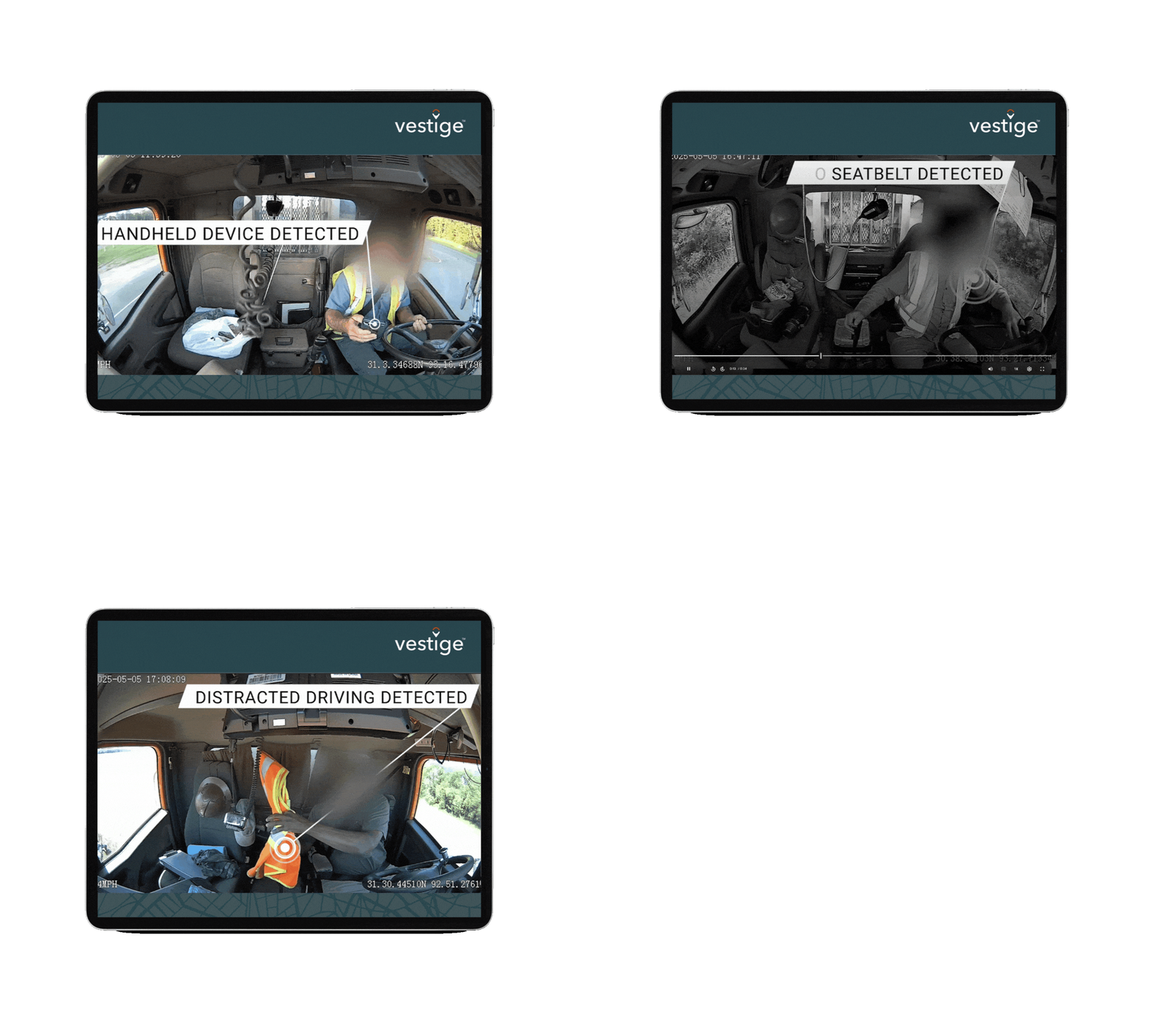
Real-time alerts for distracted driving, device usage, and fatigue to improve safety culture.
360º Fleet Vision:
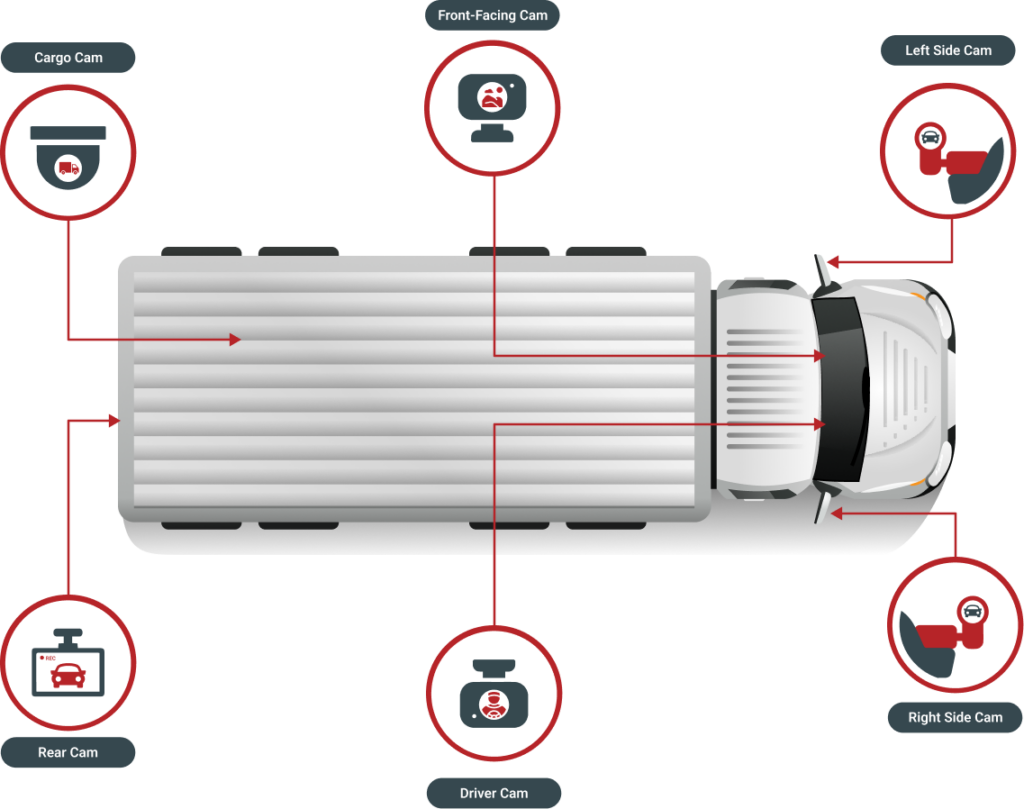
Multi-camera system offers complete coverage inside and outside each vehicle
Incident Documentation:
Secure, high-quality footage to protect against false claims
Real-Time Tracking:
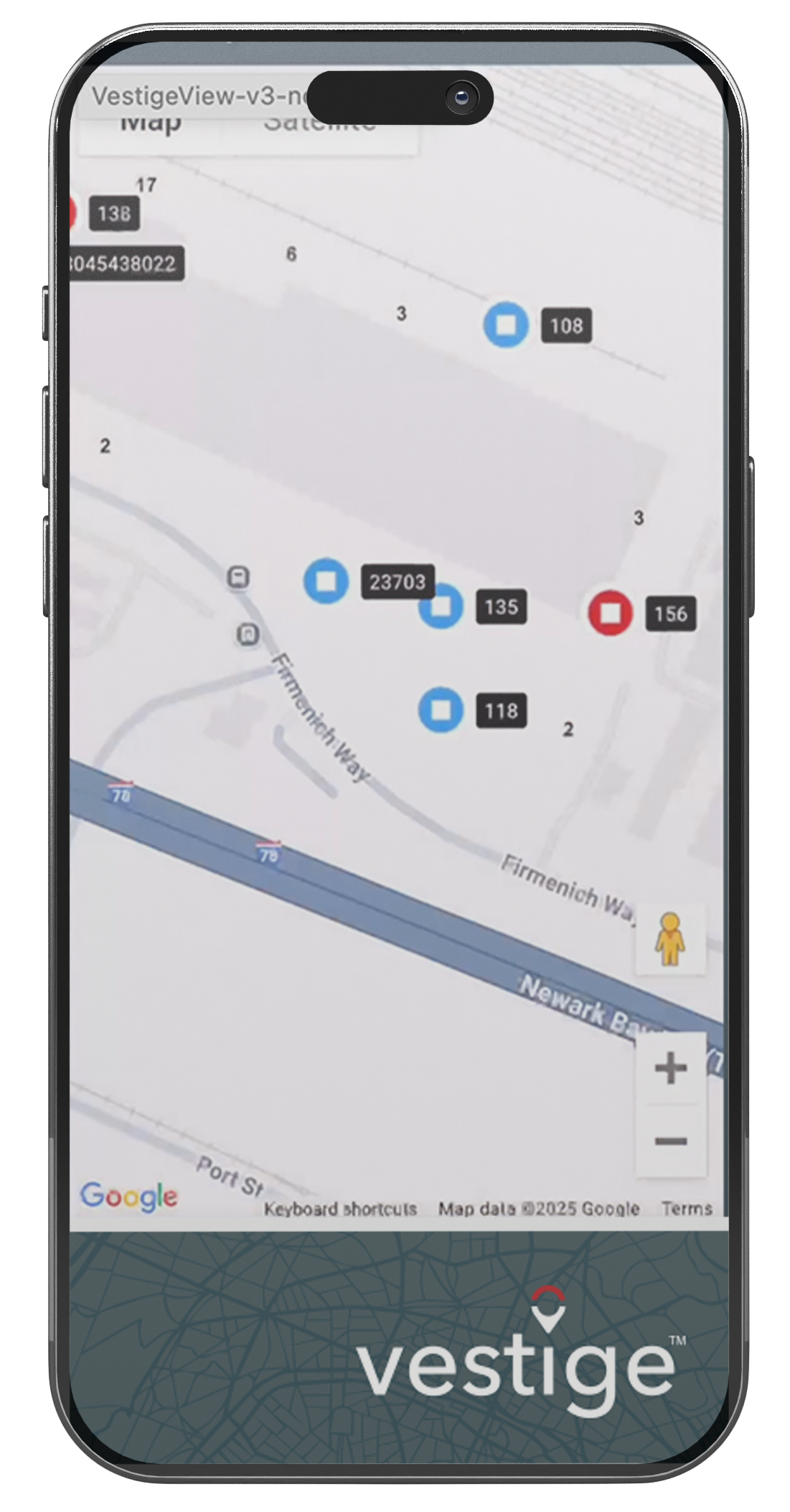
GPS with alerts for speeding, idling, and unauthorized use
Driver Coaching:
Actionable data on routes, braking, and driving habits
The Vestige Difference
Multi-Camera System:
Customize up to 8 cameras per vehicle (interior & exterior)
Includes HD, audio, and 4G LTE live-streaming
Records even when parked
Live GPS Tracking:
Track locations, set alerts, and view analytics
Spot unsafe driving patterns instantly
Driver Behavior Monitoring:
Capture speed, routes, braking, and distractions
Coach drivers using real data
Incident Review & Protection:
Access footage with multiple angles
Prevent false claims and reduce insurance hikes
TRUSTED BY INDUSTRY LEADERS


See how SalSon Logistics turned a $9 million insurance problem into a strategic advantage
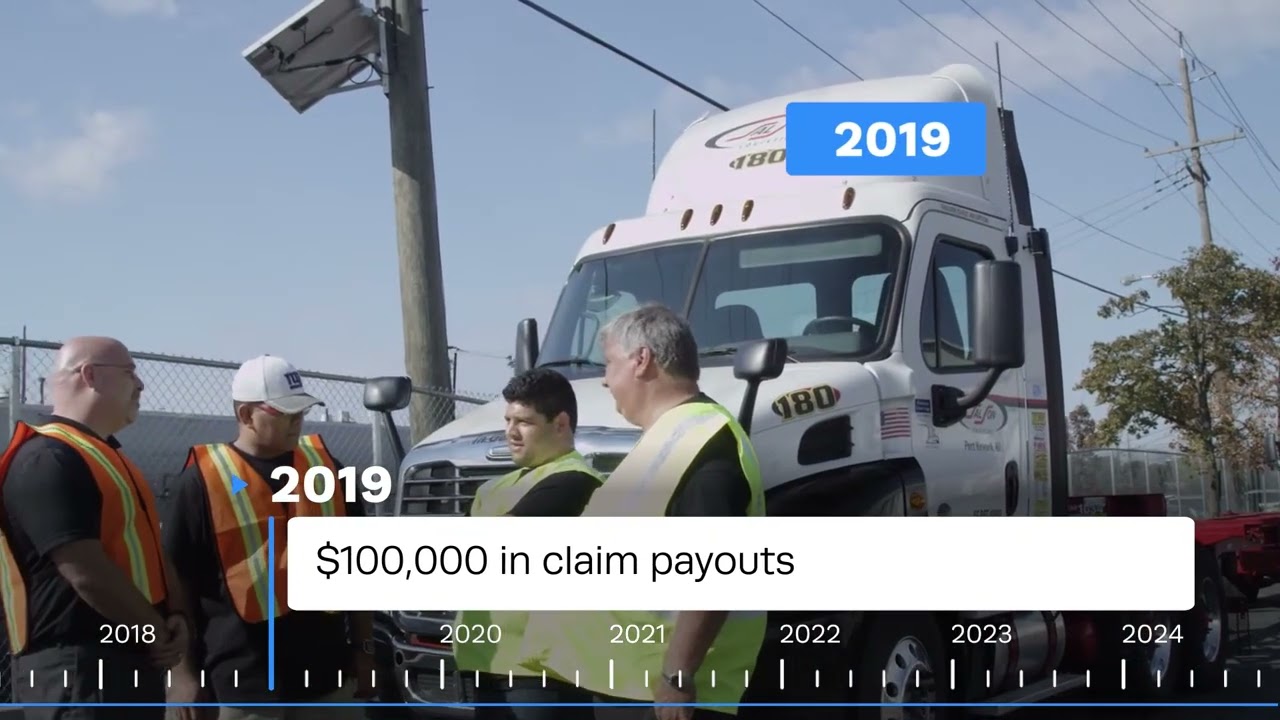
After spending nearly $9 million in claims in 2017—some from staged accidents—SalSon implemented Vestige’s AI‐powered fleet cameras and real‑time command center. The result? Accident payouts dropped from six‑figure annual totals to under $200,000 by 2024.
Better yet, drivers are protected, insurers are competing for their business, and a stronger safety culture now fuels their profitability.
Trustindex verifies that the original source of the review is Google. I have been a customer of Vestige for over 5 years. Megan and Corey do an awesome job and get us whatever we requested extremely quickly whether it’s an emergency that we need video of or a simple report we want! Their system has saved us from several Faldo claims and the software has never let us down!Trustindex verifies that the original source of the review is Google. Very effective and reliable resource in the field. Product is durable and does everything you’ll need from A-Z, remember you get what you pay for so why not get the best you can. Thank you Vestige for your support and business in this demanding field!Trustindex verifies that the original source of the review is Google. One of our trucks lost a drive line and no parts houses had one in stock. We were able to find it by watching the video from the side camera to see where it landed. Excellent product, and customer service at Vestige is excellent! Much better than other dash cam companies we have used in the past. Highly recommend.Trustindex verifies that the original source of the review is Google. Great products and Service... we were hesitant about getting the Dashcam Service but within a few months it basically paid for itself due to an accident we had that could have been considered our fault but thanks to the camera I was actually able to share it with the Trooper that worked the accident. Not sure how many different set ups they offer but we are very happy with the basicly Live DashCam service we got that also has GPS integrated . Its great having it all in one App.
Construction accounts for one in five workplace fatalities in the United States, with 1,075 workers losing their lives on job sites in 2023 alone. According to the Bureau of Labor Statistics, this represents the highest number of construction fatalities since 2011. Meanwhile, equipment theft costs the industry between $300 million and $1 billion annually, with recovery rates of only around 20%.
For construction fleet managers and safety coordinators, these statistics represent an urgent call to action. The solution increasingly adopted by forward-thinking contractors involves deploying a dashcam for construction fleet vehicles combined with comprehensive camera systems across heavy equipment.

Sobering Statistics About the Increase In Staged Accidents
1. It’s Organized Crime
Criminal rings orchestrate many of these scams—with recruiters, fake clinics, lawyers, and “professional crashers.”
One ring in New Orleans stole $4.7 million before being caught.
2. Fraudsters Win Big in Court
Some walk away with $1M+ settlements because carriers settle quickly to avoid trial—especially when no dashcam footage exists.
3. Fleets Are Prime Targets
Large trucks are targeted due to their high liability coverage—often $750,000+ per incident—making them especially attractive to scammers.
4. It Hurts Everyone
These frauds increase insurance premiums by 10–20% annually for honest fleets in high-fraud areas.
5. Most Fleets Lack Video Protection
Only 15% of fleets are fully equipped with dash cameras—leaving them vulnerable and unable to prove their innocence.
The Hidden Costs of Operating Without a Dashcam for Construction Fleet
Operating a construction fleet without modern camera technology, such as a dashcam for construction fleet vehicles, exposes companies to high financial and human costs that extend far beyond initial equipment investments. Every day, construction vehicles travel between job sites, navigate congested urban areas, and operate in challenging environments where accidents, theft, and liability claims can devastate a company’s bottom line.
Transportation incidents represent the second leading cause of death in the construction industry, according to data from the Occupational Safety and Health Administration (OSHA). When dump trucks, cement mixers, and equipment haulers are involved in collisions, the consequences extend beyond immediate property damage. Companies face workers’ compensation claims, third-party lawsuits, OSHA investigations, and potential project delays that can cost hundreds of thousands of dollars per incident.
Without video documentation, construction companies find themselves in a precarious position when accidents occur. Studies from the trucking industry show that approximately 80% of accidents involving commercial vehicles are actually caused by other motorists, yet without camera footage, professional drivers frequently shoulder the blame. This reality translates directly to the construction sector, where operators of heavy vehicles face similar challenges proving their innocence when accidents occur.
The financial impact compounds quickly. According to industry research, the average cost per medically consulted construction injury is approximately $40,000, while fatalities incur an estimated cost of $1.39 million, accounting for wage losses, medical expenses, administrative costs, and employer expenditures. The total annual cost of construction-related injuries and fatalities exceeds $11 billion. Many of these costs could be mitigated or eliminated with proper documentation from fleet AI camera systems that capture incidents as they unfold.
Beyond accidents, equipment theft presents another significant drain on construction company resources. The National Insurance Crime Bureau (NICB) reports approximately 11,000 to 12,000 equipment thefts annually in the United States. Unlike standard vehicle theft, where recovery rates exceed 60%, stolen construction equipment is recovered only about 20% of the time. This disparity exists because heavy equipment often lacks the identification systems and tracking technology found in consumer vehicles, making it easier for thieves to move and resell stolen machinery.
How AI-Powered Dashcams Transform Construction Fleet Safety
Modern dashcam technology has evolved far beyond simple recording devices that capture footage for review after incidents. Today’s AI-powered camera systems serve as proactive safety tools that can prevent accidents before they happen, protect drivers from false accusations, and provide fleet managers with unprecedented visibility into daily operations.
AI-based driver monitoring systems detect dangerous behaviors in real time, including distracted driving, fatigue, cell phone use, and failure to maintain safe following distances. When the system identifies a risk, it can alert the driver immediately through audible warnings, allowing them to correct their behavior before an incident occurs. Research from the Virginia Tech Transportation Institute indicates that cell phone use and infotainment system distraction are present in approximately 10% of near-crash events, despite accounting for only 2% of total driving time. This data highlights the importance of real-time intervention capabilities.
For construction fleets specifically, camera systems equipped with driver behavior analytics provide particular value. Construction vehicles often operate under challenging conditions, including rough terrain, tight job site confines, heavy loads, and frequent stops that require backing maneuvers. Multi-camera configurations that include forward-facing, cabin-facing, and rear-view cameras give operators and managers complete visibility of the operating environment.
The deterrent effect of a visible dashcam for construction fleet vehicles should not be underestimated. When other motorists know that commercial vehicles are equipped with recording devices, they become less likely to attempt insurance fraud schemes such as “swoop and squat” accidents, where a driver deliberately causes a collision to file a fraudulent claim. These schemes cost the insurance industry billions annually, and commercial vehicles represent prime targets due to their higher policy limits. Camera footage can quickly expose fraudulent claims and protect construction companies from unwarranted payouts.
Driver coaching represents another powerful application of dashcam technology. Rather than waiting for accidents to occur and then assigning blame, fleet managers can use footage from routine operations to identify coaching opportunities. When drivers understand that their performance is being monitored and that feedback will be constructive rather than punitive, safety culture improves across the organization. Companies that implement structured driver coaching programs using dashcam footage report reductions in risky driving behaviors exceeding 50% within the first year.
Elite Collateral Recovery Case Study
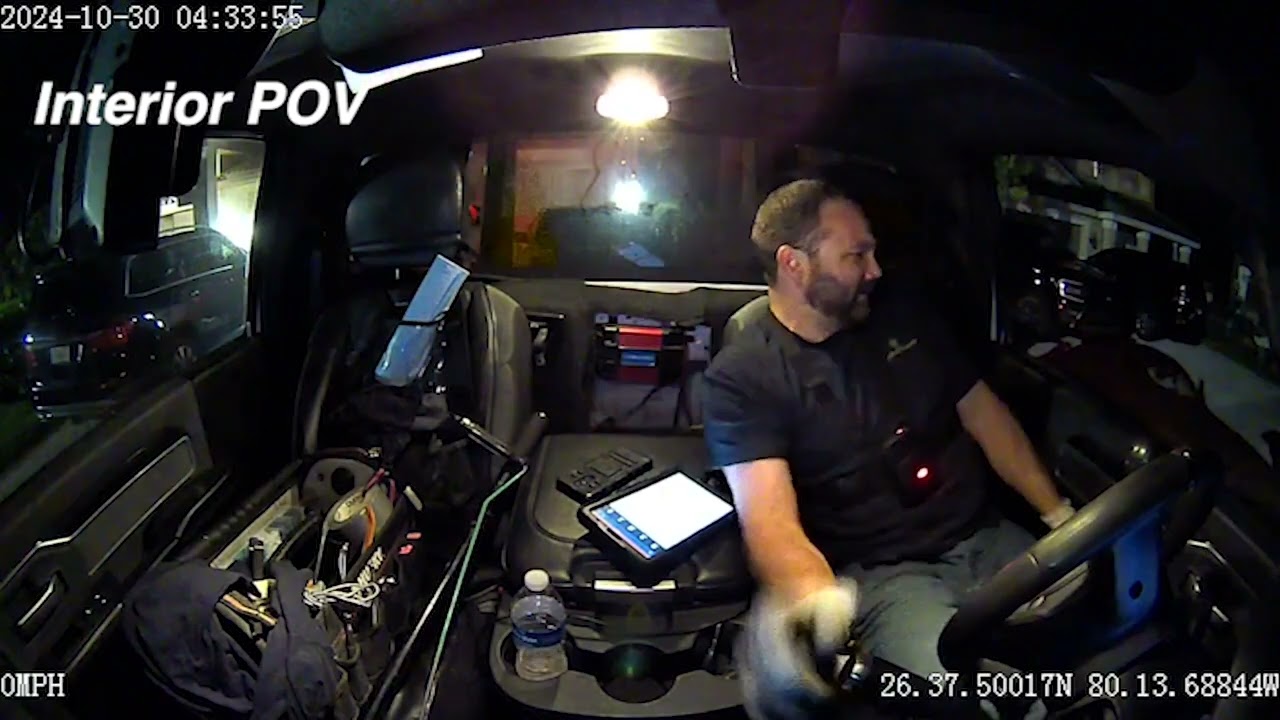
Rising insurance fraud is making it harder than ever for repossession companies to stay insured. Some have even shut down because of it. Elite Collateral Recovery faced a critical moment when staged accidents and false claims started to jeopardize its operations.
That’s when their founder, Max Piñeiro, turned to Vestige AI Cameras. With the right technology in place, the company not only protected its drivers but also safeguarded its company’s reputation.
Protecting Heavy Equipment with Integrated Camera and GPS Solutions
While dashcams installed in construction vehicles protect against road incidents, comprehensive fleet protection requires extending camera coverage to heavy equipment operating on job sites. Excavators, loaders, bulldozers, and other machinery represent substantial investments that face daily exposure to theft, vandalism, and operational incidents.
Equipment theft peaks during predictable periods, according to analysis from the National Equipment Register (NER). Memorial Day weekend, Labor Day weekend, and Thanksgiving see significant spikes in theft activity as job sites sit unattended for extended periods. The average loss per stolen piece of equipment approaches $30,000, and the indirect costs of theft, including project delays, rental equipment expenses, and administrative burden, often exceed the direct replacement cost.
Integrated camera and GPS tracking solutions address equipment security from multiple angles. Equipment GPS tracking systems allow fleet managers to monitor the location of every asset in real time. Geofencing capabilities trigger immediate alerts when equipment moves outside designated boundaries, enabling rapid response before thieves can transport machinery out of the recovery zone. Some systems also include ignition disable features that can immobilize equipment remotely when unauthorized use is detected.
Camera systems mounted on heavy equipment serve dual purposes. During operation, they provide visual documentation of work performed, which proves valuable for verifying productivity, resolving disputes with project owners, and investigating any incidents that occur. After hours, motion-activated cameras can capture attempted theft or vandalism, providing evidence for law enforcement and insurance claims.
The integration between vehicle dashcams and equipment monitoring systems creates a comprehensive security ecosystem. When all assets connect to a unified management platform, supervisors gain complete visibility across their entire operation from a single dashboard. They can verify that vehicles and equipment are where they should be, monitor operator behavior, and respond immediately to any anomalies. This level of visibility was impossible just a decade ago, but has become a standard expectation for professionally managed construction fleets.
SalSon Logistics Case Study
John Lampersona, VP of Safety & Logistics at SalSon, was determined to protect his fleet—and his business relationships—from the crushing weight of multi-million dollar accident claims.
Lampersona transformed the situation by equipping his entire fleet with the Vestige Camera.
Real-time data significantly enhanced driver behavior, prevented false claims, and reduced accident-related costs, thereby revolutionizing SalSon’s safety culture.
Read more about how the Vestige Camera drives lasting change in the logistics industry.
Meeting OSHA Compliance Requirements Through Video Documentation
OSHA maintains aggressive enforcement of construction safety standards, with fall protection violations topping the list of citations year after year. In fiscal year 2024, fall protection general requirements under 29 CFR 1926.501 ranked as the most frequently cited standard, followed by hazard communication, lockout/tagout, and ladder safety violations. Penalties for serious violations can reach $16,550 per incident, while willful or repeated violations carry penalties up to $165,514.
Video documentation captured through a dashcam for construction fleet operations provides powerful evidence of compliance efforts and can prove invaluable during OSHA investigations. When a workplace incident occurs, investigators examine whether the employer maintained adequate safety protocols and whether workers followed established procedures. Camera footage showing proper safety briefings, use of required personal protective equipment, and adherence to safe work practices demonstrates the company’s commitment to compliance.
Beyond reactive documentation, camera systems support proactive compliance by enabling supervisors to monitor work practices remotely. Rather than relying solely on periodic site visits, safety managers can review footage to verify that workers are following protocols consistently throughout the day. When violations are identified, corrective action can be taken immediately rather than waiting until the next physical inspection.
The recordkeeping benefits of video documentation extend to required safety training verification. OSHA mandates specific training for construction workers exposed to various hazards, and employers must maintain records demonstrating compliance. Camera footage of safety meetings and training sessions provides irrefutable evidence that required training occurred, protecting companies from citations related to inadequate training documentation.
For companies working on federal projects or in states with particularly stringent safety requirements, comprehensive camera coverage demonstrates a commitment to a safety culture that can differentiate contractors during the bidding process. General contractors increasingly require subcontractors to maintain documented safety programs, and camera systems provide objective evidence of ongoing compliance efforts.
Insurance Benefits and ROI of Construction Fleet Camera Systems
The insurance industry has recognized the risk reduction benefits of dashcam technology, and many commercial insurers now offer premium incentives for fleets that implement camera systems. While specific discount amounts vary by carrier and policy type, reductions typically range from 5% to 20% for fleets with AI-powered dashcam systems that include driver-facing cameras and real-time monitoring capabilities.
The return on investment from construction fleet camera systems extends far beyond premium discounts. The primary financial benefit comes from reduced claims costs and faster claims resolution. Industry research indicates that fleets using dashcam technology can reduce claims costs by 60% to 80% compared to fleets operating without video documentation. When incidents occur, clear footage eliminates disputes about fault determination and dramatically accelerates the claims process.
Consider the experience of SalSon Logistics, a fleet operator that was paying out over $9 million annually in accident-related claims before implementing AI-powered cameras. After deploying Vestige camera systems across their fleet, annual payouts dropped to under $200,000, and the number of accidents decreased from 418 to just 24. While construction fleets face different operational challenges than logistics companies, the underlying principles of driver monitoring, behavior coaching, and video documentation translate directly.
For construction companies specifically, a dashcam for construction fleet also provides critical protection against the “nuclear verdicts” that have become increasingly common in commercial vehicle litigation. Jury awards in trucking cases have increased by 967% over recent decades, with median verdicts now exceeding $22 million in cases involving fatalities or serious injuries. While construction vehicles may not face identical exposure, the trend toward larger verdicts affects all commercial fleet operators. Video evidence that demonstrates safe operation and assigns fault appropriately provides the strongest possible defense against inflated damage claims.
Asset GPS tracking systems complement dashcam investments by protecting equipment that might otherwise be lost to theft. When considering that equipment theft results in losses of $300 million to $1 billion annually industry-wide, and that individual companies may lose equipment worth tens or hundreds of thousands of dollars in a single incident, the relatively modest investment in tracking technology delivers rapid payback.

Vestige featured in Charlotte Business Journal
The leader in safety technology is featured following the opening of its new office to support the expanding sales and support teams, which serve thousands of clients across North America.
Choosing the Right Camera Configuration for Construction Applications
Selecting appropriate camera systems for construction fleet applications requires consideration of the unique operational environment these vehicles face. Unlike over-the-road trucking, where vehicles operate primarily on paved highways, construction vehicles encounter unpaved job sites, extreme dust conditions, heavy vibration, and temperature extremes that demand ruggedized equipment.
Multi-camera configurations provide the comprehensive coverage that construction operations require. A typical installation includes a forward-facing camera to capture road conditions and potential collision situations, a cabin-facing camera for driver monitoring, and additional cameras positioned to cover blind spots and rear views. For vehicles that regularly back up to loading areas or navigate tight job site conditions, rear and side cameras connected to in-cab monitors improve safety during maneuvering.
Camera resolution matters significantly for construction applications. High-definition recording at 1080p or better ensures that footage captures sufficient detail to identify license plates, read signage, and document the sequence of events leading to incidents. Low-light performance is equally important, as construction vehicles often operate during early morning hours or continue working after sunset during busy seasons.
Storage and connectivity requirements deserve careful evaluation. Cloud-connected systems that upload footage automatically ensure that video evidence remains available even if the vehicle is damaged or stolen. However, construction sites in remote areas may have limited cellular connectivity, making local storage capacity important as a backup. The best systems combine generous onboard storage with automatic cloud upload when connectivity is available.
Integration capabilities determine how effectively camera systems work within broader fleet management operations. Systems that connect with real-time fleet monitoring platforms allow supervisors to view live video feeds from any vehicle, receive instant alerts when AI detects safety events, and access historical footage for coaching or incident investigation without leaving their desk. This integration transforms cameras from passive recording devices into active fleet management tools.
For companies already using fleet GPS tracking, choosing a dashcam for construction fleet operations that integrates seamlessly with existing systems eliminates inefficiencies caused by managing multiple platforms. Unified platforms that combine GPS tracking, dashcam footage, driver behavior analytics, and equipment monitoring deliver greater value than disconnected point solutions.
Protect Your Construction Fleet with Vestige
The construction industry’s safety challenges demand modern solutions that combine advanced technology with practical implementation. Camera systems have proven their value across industries ranging from trucking to healthcare, consistently delivering reduced accidents, lower insurance costs, and protection against fraudulent claims.
For construction fleet managers ready to take the next step in protecting their people and equipment, Vestige offers comprehensive camera and tracking solutions designed specifically for demanding commercial applications.
Take action today to protect your construction fleet. Contact Vestige to request a demo and discover how integrated camera systems, GPS tracking, and equipment monitoring can reduce your risk exposure while improving operational efficiency. In an industry where a single incident can cost hundreds of thousands of dollars, camera technology delivers a rapid return on investment while keeping your workers safer on every job site.
Frequently Asked Questions
Federal law does not currently mandate dashcams for construction vehicles. However, FMCSA regulations permit windshield-mounted cameras on commercial vehicles provided they do not obstruct the driver’s view beyond specific limits. Some states have implemented additional requirements or restrictions regarding camera placement and recording. The trend in the industry strongly favors voluntary adoption due to the significant liability protection and safety benefits cameras provide.
Driver-facing cameras understandably raise privacy questions among employees. Successful implementation requires clear communication about how footage will be used, with emphasis on protection rather than punishment. When drivers understand that cameras protect them from false accusations and provide coaching opportunities for professional development, acceptance typically increases. Some systems include privacy modes that limit driver-facing recording during authorized breaks while maintaining forward-facing coverage.
Professional installation of a multi-camera system on a construction vehicle typically requires 2 to 4 hours, depending on the complexity of the configuration and vehicle type. Many providers offer mobile installation services that can outfit vehicles at job sites or company facilities, minimizing downtime. For larger fleets, staged rollouts allow operations to continue while the installation process progresses.
Retention periods vary by system and configuration. Cloud-based platforms typically retain routine footage for 30 to 90 days, with important clips marked for extended retention. Risk advisors recommend retaining footage of significant incidents for up to five years to cover legal statutes of limitation. Most systems allow administrators to adjust retention policies based on company requirements and storage capacity.
Yes, dashcam footage is admissible as evidence in most jurisdictions. The evidentiary value of footage depends on proper handling and chain of custody documentation. Quality camera systems include timestamp verification and tamper-evident storage that supports admissibility requirements. Many construction companies have successfully used camera footage to defend against fraudulent claims and prove driver innocence in accident investigations.
Camera technology is available for both on-road vehicles and off-road heavy equipment. Equipment-mounted systems may require ruggedized housings to handle extreme vibration, dust, and temperature conditions. Integration with equipment monitoring systems provides additional benefits, including usage tracking, maintenance alerts, and theft prevention through geofencing and remote disable capabilities.
Get Started with Vestige Today
Vestige is committed to delivering top-tier GPS fleet tracking and dash cam solutions tailored to your business needs. Here’s why businesses across the globe trust us:
24/7 Customer Support:
Our team is always here to assist you, whether you have a question about your fleet dash cam system or need help analyzing GPS fleet tracking data.
Seamless Integration:
Our systems are easy to install and integrate with your existing fleet management tools. You’ll be up and running in no time, with both GPS fleet tracking and dash cam footage available at your fingertips.
Scalable Solutions:
Whether you have a fleet of 5 or 500 vehicles, our GPS fleet tracking and dash cam solutions can scale with your business. From small operations to large corporations, we’ve got the right tools for every fleet size.
Don’t leave your fleet management to chance. Invest in Vestige’s advanced GPS fleet tracking and dash cam technology and gain the insights you need to improve safety, efficiency, and accountability.
Contact us today to learn how our fleet dash cam solutions can transform the way you manage your fleet.
Speak With A Fleet Specialist
Learn more about the Vestige AI Camera System
Find out more about our camera system and how our customers have utilized our smart camera solution to improve their fleets.