What Is a Fleet Safety Camera?
How Video Telematics Works in
Commercial Trucks
Let us help you protect your fleet!
Driver Behavior Analytics:
Real-time alerts for distracted driving, device usage, and fatigue to improve safety culture.
360º Fleet Vision:
Multi-camera system offers complete coverage inside and outside each vehicle
Incident Documentation:
Secure, high-quality footage to protect against false claims
Real-Time Tracking:
GPS with alerts for speeding, idling, and unauthorized use
Driver Coaching:
Actionable data on routes, braking, and driving habits
The Vestige Difference
Multi-Camera System:
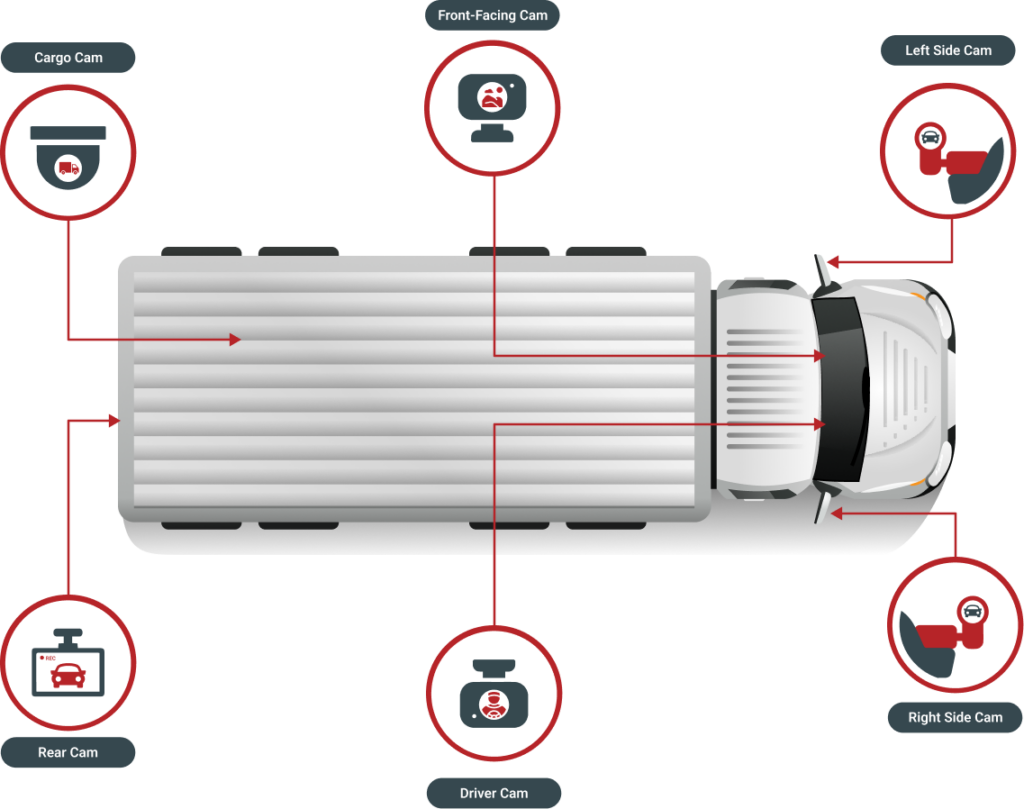
Customize up to 8 cameras per vehicle (interior & exterior)
Includes HD, audio, and 4G LTE live-streaming
Records even when parked
Live GPS Tracking:
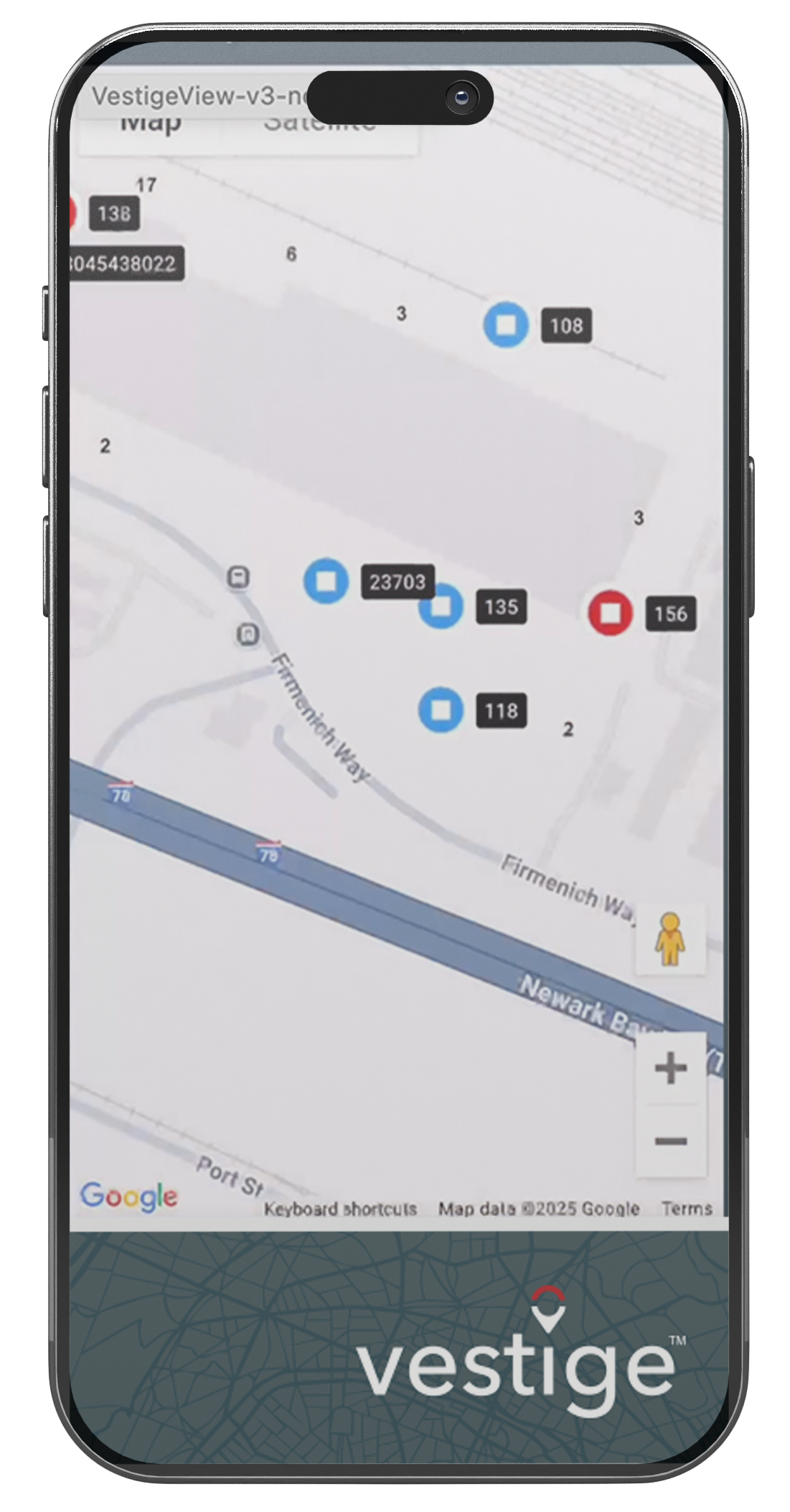
Track locations, set alerts, and view analytics
Spot unsafe driving patterns instantly
Driver Behavior Monitoring:
Capture speed, routes, braking, and distractions
Coach drivers using real data
Incident Review & Protection:
Access footage with multiple angles
Prevent false claims and reduce insurance hikes
TRUSTED BY INDUSTRY LEADERS


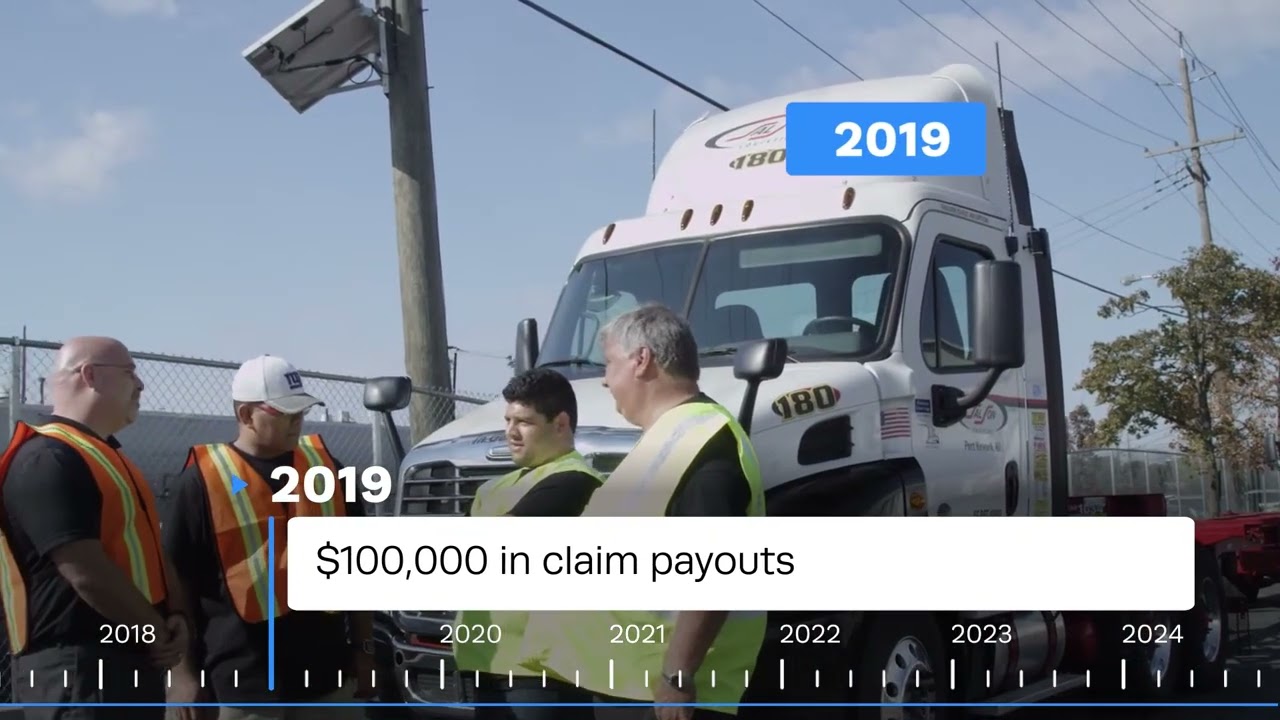
See how SalSon Logistics turned a $9 million insurance problem into a strategic advantage
After spending nearly $9 million in claims in 2017—some from staged accidents—SalSon implemented Vestige’s AI‐powered fleet cameras and real‑time command center. The result? Accident payouts dropped from six‑figure annual totals to under $200,000 by 2024.
Better yet, drivers are protected, insurers are competing for their business, and a stronger safety culture now fuels their profitability.
Trustindex verifies that the original source of the review is Google. I have been a customer of Vestige for over 5 years. Megan and Corey do an awesome job and get us whatever we requested extremely quickly whether it’s an emergency that we need video of or a simple report we want! Their system has saved us from several Faldo claims and the software has never let us down!Trustindex verifies that the original source of the review is Google. Very effective and reliable resource in the field. Product is durable and does everything you’ll need from A-Z, remember you get what you pay for so why not get the best you can. Thank you Vestige for your support and business in this demanding field!Trustindex verifies that the original source of the review is Google. One of our trucks lost a drive line and no parts houses had one in stock. We were able to find it by watching the video from the side camera to see where it landed. Excellent product, and customer service at Vestige is excellent! Much better than other dash cam companies we have used in the past. Highly recommend.Trustindex verifies that the original source of the review is Google. Great products and Service... we were hesitant about getting the Dashcam Service but within a few months it basically paid for itself due to an accident we had that could have been considered our fault but thanks to the camera I was actually able to share it with the Trooper that worked the accident. Not sure how many different set ups they offer but we are very happy with the basicly Live DashCam service we got that also has GPS integrated . Its great having it all in one App.
Commercial trucking fleets are dealing with a tough reality right now. Legal risks are rising quickly, with nuclear verdicts increasing dramatically over the past decade. Nuclear verdicts in trucking litigation rose 967% between 2010 and 2018, with average awards climbing from $2.3 million to over $22.3 million. At the same time, insurance costs per mile rose 47% over nine years, squeezing margins for carriers of every size.
Because of this, the conversation has shifted for fleet managers and safety teams. It is no longer a question of whether video-based safety tools are worth the investment. The focus now is on choosing the right solution and making sure it is implemented in a way that actually works in day-to-day operations.
What is a fleet safety camera, and why are so many fleets relying on them today? Fleet safety cameras, along with the video telematics platforms that support them, have become a practical and proven way to improve visibility across a fleet. They help reduce accidents, provide reliable evidence when incidents occur, and support a stronger, more consistent safety culture.

Sobering Statistics About the Increase In Staged Accidents
1. It’s Organized Crime
Criminal rings orchestrate many of these scams—with recruiters, fake clinics, lawyers, and “professional crashers.”
One ring in New Orleans stole $4.7 million before being caught.
2. Fraudsters Win Big in Court
Some walk away with $1M+ settlements because carriers settle quickly to avoid trial—especially when no dashcam footage exists.
3. Fleets Are Prime Targets
Large trucks are targeted due to their high liability coverage—often $750,000+ per incident—making them especially attractive to scammers.
4. It Hurts Everyone
These frauds increase insurance premiums by 10–20% annually for honest fleets in high-fraud areas.
5. Most Fleets Lack Video Protection
Only 15% of fleets are fully equipped with dash cameras—leaving them vulnerable and unable to prove their innocence.
What Is a Fleet Safety Camera?
A fleet safety camera is a ruggedized, vehicle-mounted recording device designed to capture video evidence of road conditions, driver behavior, and in-cab activity during commercial vehicle operations. Unlike consumer dash cameras, AI dash cams built for commercial fleets are engineered to operate continuously in demanding environments like extreme temperatures, constant vibration, and extended duty cycles.
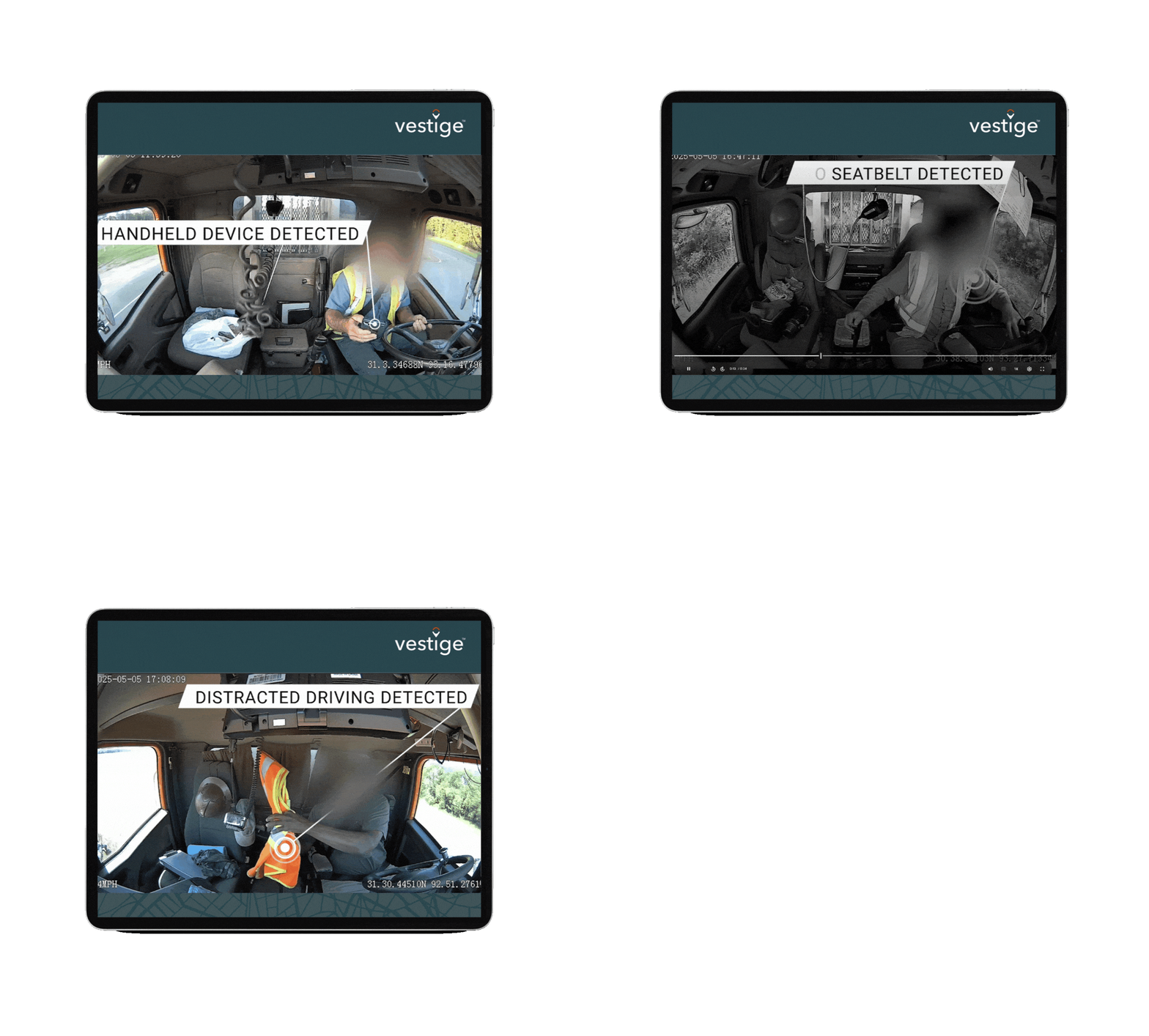
Modern fleet safety cameras are no longer passive recording devices. Today’s systems use artificial intelligence (AI) to analyze video in real time and alert drivers and fleet managers to unsafe behaviors the moment they occur. These behaviors include:
- Distracted driving: cell phone use, eating, or looking away from the road
- Drowsy driving or microsleeps: eye closure detection and head position monitoring
- Tailgating and unsafe following distance
- Lane departure and improper lane changes
- Hard braking, rapid acceleration, and aggressive cornering
These alerts give fleets something no traditional safety program can offer: an objective, time-stamped record of exactly what happened before, during, and after an incident.
Fleet safety cameras are typically deployed in one or more configurations. A forward-facing camera records the road ahead to document traffic conditions and capture third-party actions during accidents. A driver-facing (inward) camera monitors driver behavior and is critical for coaching programs and dispute resolution. Multi-camera systems add side-view and rear-facing coverage, eliminating blind spots that a single camera cannot address. For fleets that require complete situational awareness, a commercial truck camera system with 360-degree capability provides the most comprehensive level of protection.
The footage captured by these systems is stored locally on onboard storage cards, transmitted to cloud-based platforms in near real time, or both. Fleet managers can access footage remotely, review flagged incidents, and retrieve evidence quickly without waiting for a truck to return to the yard.
How Video Telematics Works in Commercial Trucks
Video telematics combines live vehicle tracking data with synchronized video footage to give fleet managers a complete operational picture. A standard GPS tracking system tells you where a truck is. Fleet video telematics tells you where the truck is, how fast it was traveling, what the driver was doing, and what the road looked like, all at the same moment in time.
Here is how the system works in practice:
- Cameras capture continuous video from one or more angles, recording at high resolution, typically 1080p or 4K, for footage quality that holds up in legal proceedings.
- Onboard AI processors analyze the video stream frame by frame, detecting driver behavior events and triggering alerts when thresholds are crossed.
- Telematics data from the vehicle, such as speed, braking force, GPS coordinates, and engine data, is synchronized with the video timestamp, so every event has a precise location and vehicle state attached to it.
- Event-based clips are uploaded automatically to a cloud dashboard when a significant event is detected, such as hard braking, a collision, or an AI-flagged distraction event.
- Fleet managers review flagged clips through a web portal or mobile app, can add coaching notes, and can pull full continuous recordings when needed for insurance or legal purposes.
The result is a closed-loop system that connects what a driver does to what happens as a consequence in real time and in a documented, retrievable format.
Research by FMCSA and Virginia Tech Transportation Institute has found that installing video-based safety monitoring systems on heavy trucks and buses could prevent thousands of fatal crashes and save hundreds of lives each year. The mechanism is straightforward: when drivers know they are being monitored, behavior improves. When risky behavior is detected and addressed through coaching, it improves further and faster.
FMCSA and NTSB have consistently recommended onboard cameras to enhance driver safety oversight, compliance, and crash investigation capabilities, though federal installation mandates for most commercial fleets have not yet been implemented. Many insurers, however, have moved ahead of regulators: some commercial insurers now require dashcam installation as a condition of underwriting fleet policies or accessing premium discounts.
Elite Collateral Recovery Case Study
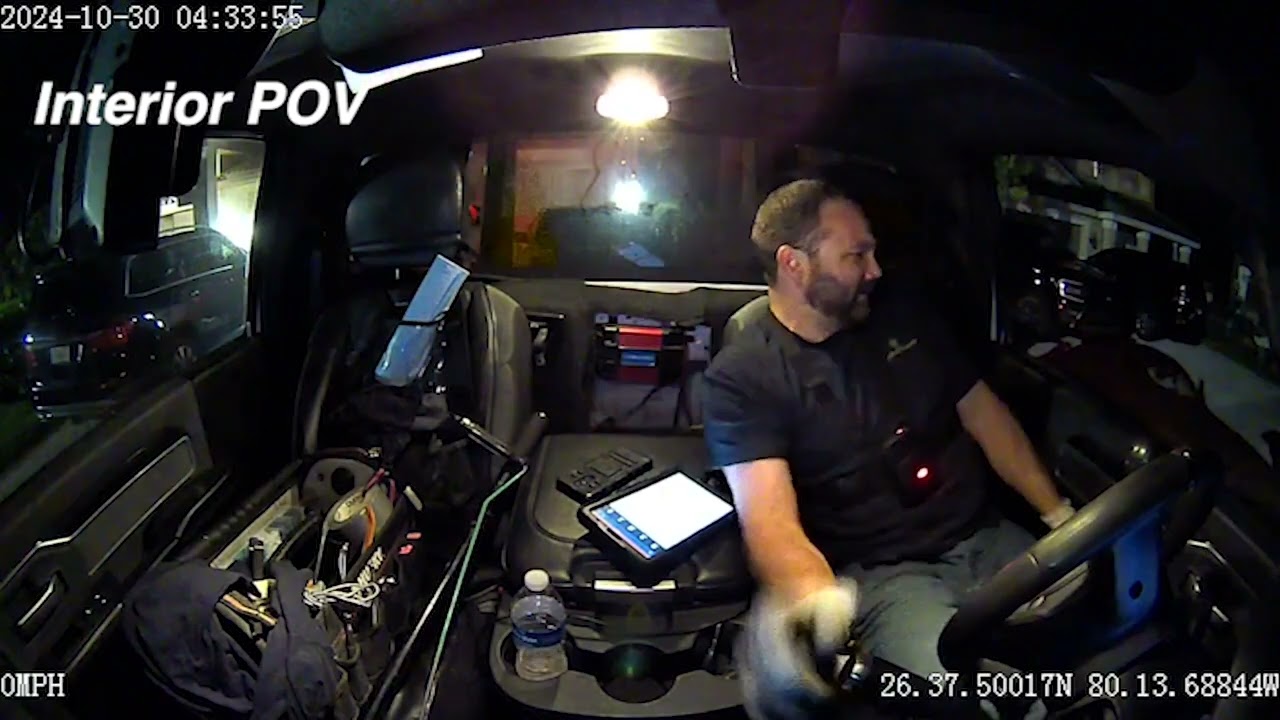
Rising insurance fraud is making it harder than ever for repossession companies to stay insured. Some have even shut down because of it. Elite Collateral Recovery faced a critical moment when staged accidents and false claims started to jeopardize its operations.
That’s when their founder, Max Piñeiro, turned to Vestige AI Cameras. With the right technology in place, the company not only protected its drivers but also safeguarded its company’s reputation.
Core Features of a Modern Fleet Camera System
Not all fleet camera systems offer the same capabilities. When evaluating options, fleet managers and safety coordinators should compare systems across several key dimensions.
Video quality and storage matter because low-resolution footage often fails to capture license plates, faces, or road markings clearly enough to be useful in a legal dispute. Systems offering 4K UHD recording provide the clearest evidence for claims management. Dual onboard storage cards, combined with cloud backup, ensure that footage is not lost if a vehicle is involved in a severe collision that damages the hardware.
AI detection accuracy determines how reliable the driver behavior alerts are in practice. Systems with poor calibration generate excessive false positives, leading drivers and managers to ignore alerts entirely, defeating the purpose. Look for systems with road shoulder identification and context-aware processing that can distinguish genuine hazards from routine driving conditions.
Real-time connectivity is the feature that separates modern video telematics platforms from older, store-and-forward dashcam setups. A connected system allows fleet managers to view live footage, receive instant alerts, and respond to incidents as they unfold instead of hours or days later. This capability is essential for verifying staged accident claims in real time and for providing drivers with immediate coaching feedback.
Event-based video triggers reduce the time spent reviewing hours of uneventful footage. A well-designed system automatically flags and uploads clips when a significant event occurs, such as hard braking, collision detection, AI behavior alert, and timestamps the clip with GPS coordinates and vehicle data. Some systems also support manual driver triggers, allowing operators to bookmark footage of incidents they witness themselves.
Driver coaching integration completes the picture. Research shows that dashcam footage integrated into structured coaching programs reduces risky driving behaviors by more than 50%, improving safety culture and contributing to driver retention. The goal is not surveillance for its own sake. It is giving safety managers the tools to have productive, evidence-based conversations with drivers.
For fleets that need complete surround visibility, multi-camera systems for trucks deploy multiple synchronized cameras across the vehicle body, creating a continuous 360-degree record of every trip.
Protecting Your Fleet from Fraud and Nuclear Verdicts
One of the most compelling reasons fleets deploy safety cameras is liability protection. Commercial trucks are high-value targets for staged accident fraud. Organized criminal operations use tactics such as “swoop and squat,” which is cutting in front of a truck and braking suddenly, to generate fraudulent injury claims. Research from the National Insurance Crime Bureau confirms that staged accidents against commercial vehicles are increasing, and fraudulent insurance claims cost over $308 billion annually across all sectors, with commercial trucks frequently targeted due to their high policy limits.
Video evidence changes the outcome of these disputes. Industry data from Woodruff Sawyer indicates dashcams can reduce claims costs by 60 to 80 percent when deployed as part of a comprehensive safety program. Insurance premium discounts for fleets using dashcams typically range from 5% to 15%, with some programs reaching 20%, depending on insurer policies and the capabilities of the installed system.
Beyond insurance, the litigation exposure created by nuclear verdicts with jury awards exceeding $10 million represents an existential risk for many carriers. Legal analyses show nuclear verdicts against trucking companies are rising steadily, with awards that frequently reach into the tens of millions. Dashcam footage that exonerates a driver at the scene, or that demonstrates the fleet had a documented, enforced safety program, can be decisive in preventing these outcomes.
Fleet experiences consistently show that drivers become more supportive of dashcams once they understand the cameras protect them from false accusations as much as they hold them accountable for unsafe behavior. Using dashcams also expedites claims resolution by providing indisputable video evidence, reducing investigation time and legal costs for both drivers and fleet managers.
SalSon Logistics Case Study
John Lampersona, VP of Safety & Logistics at SalSon, was determined to protect his fleet—and his business relationships—from the crushing weight of multi-million dollar accident claims.
Lampersona transformed the situation by equipping his entire fleet with the Vestige Camera.
Real-time data significantly enhanced driver behavior, prevented false claims, and reduced accident-related costs, thereby revolutionizing SalSon’s safety culture.
Read more about how the Vestige Camera drives lasting change in the logistics industry.
Real Results from Real Fleets
The ROI of fleet safety cameras is best understood through what operators experience in the field.
SalSon Logistics, a Newark-based carrier operating 750 trucks, was paying over $9 million annually in insurance payouts in 2017, with 418 accidents in that year alone. After deploying Vestige’s AI-powered fleet camera system, which provided live streaming, AI-based behavior detection, and real-time coaching capability, the company reduced accidents to 24 by 2019 and cut insurance payouts to under $200,000. Vice President of Safety and Compliance John Lampasona put it directly:
“We’re not flying blind anymore. Vestige gave us eyes.”
Certified Auto Mall Towing & Recovery, a 25-year New Jersey towing operation serving law enforcement and national transport clients, faced mounting fraudulent claims in one of the country’s most congested traffic corridors. Owner Mike Stahnten summed up the reality his drivers face daily:
“Somebody cuts in front of you and slams on the brakes. If you don’t have a camera, that’s your fault. With Vestige, you’re protected.”
The first accident after camera installation paid for the entire system, with footage preventing a wrongful driver blame determination.
Elite Collateral Recovery, a repossession firm operating for more than 30 years, deployed Vestige vehicle and body cameras after a driver faced gunfire during a repossession. The entire incident was captured on camera, supporting law enforcement and exonerating the driver. Owner Max Piñeiro stated plainly:
“If it wasn’t for the cameras, we wouldn’t be in business today.”
These outcomes are not outliers. They represent what becomes possible when fleets move from reactive claims management to proactive, video-documented safety operations.
FMCSA Compliance and Legal Considerations
Fleet managers should understand the current regulatory landscape before deploying camera systems.
Federal placement rules: FMCSA regulations permit mounting dashcams on truck windshields provided the device does not obstruct the driver’s field of view beyond federal size and placement restrictions. Cameras mounted outside this zone, like on the dash, roof, or exterior, are governed by different standards. Verify placement compliance before installation.
State privacy laws: Privacy laws in states including Illinois, Texas, and Washington require fleets to obtain driver consent before recording in-cab audio or using inward-facing cameras that collect biometric data. Fleet operators running interstate routes should review consent and disclosure requirements in every state of operation.
Driver notification best practices: Transparent deployment informing drivers of what is recorded, how footage is used, and how it protects them produces better safety outcomes than covert systems. Studies and fleet reports show dual-facing cameras improve safety behaviors such as increased seatbelt use and reduced cell phone usage when drivers are aware of and understand the monitoring program.
Footage retention: Risk advisors recommend retaining fleet camera footage for several years. Some businesses store footage for up to five years to cover applicable legal statutes of limitation, ensuring video evidence is available if a dispute surfaces long after an incident.
For a complete look at how truck camera systems integrate with compliance and safety management programs, Vestige’s team can walk through configuration options specific to your fleet’s operational footprint.
Fleet Multi-Cameras & GPS Tracking
Fleet GPS relays timely location updates and customized alerts. Capture a 360-degree view with our premium camera solutions.
By choosing advanced systems, businesses can unlock a range of features that improve safety, efficiency, and protection:
360-Degree Coverage
Monitor the full vehicle interior and exterior to ensure passenger and driver safety.
High-Definition Footage
Capture clear, reliable video evidence to resolve incidents.
Event Based Alert
Automatic recording of critical incidents, such as sudden stops or hard braking.
Real-Time Monitoring
Enable live-streaming for fleet managers to respond to emergencies quickly.
Cloud Storage
Store footage securely with easy access for future review.
GPS Integration
Track vehicle locations and routes for improved efficiency.
Night Vision Capabilities
Maintain visibility in low-light conditions to ensure safety during nighttime trips.
Take the Next Step With Vestige
Fleet safety cameras represent one of the highest-ROI investments available to fleet managers, safety coordinators, and business owners who operate commercial vehicles. The combination of AI-driven behavior detection, real-time telematics, and cloud-accessible video evidence reduces accidents, defeats fraudulent claims, and builds the kind of documented safety culture that protects your business in court and at the negotiating table with insurers.
Vestige delivers AI-powered fleet camera systems and video telematics solutions to commercial fleets across trucking, towing, repossession, healthcare, and field services. Trusted by more than 2,000 organizations, Vestige provides the visibility, accountability, and immediate response capability your fleet needs, backed by a customer success team that supports your operation from installation through the life of the system.
Request a demo to see how Vestige fleet safety cameras and video telematics can reduce your liability exposure, lower your insurance costs, and give your drivers the protection they deserve.

Vestige featured in Charlotte Business Journal
The leader in safety technology is featured following the opening of its new office to support the expanding sales and support teams, which serve thousands of clients across North America.
Frequently Asked Questions
A consumer dashcam records video passively without AI analysis or fleet management integration. A fleet safety camera connects to a telematics platform, uses AI to detect and flag driver behavior events in real time, uploads footage to a central dashboard, and supports structured coaching and reporting programs. Fleet cameras are built for continuous commercial duty and are engineered to withstand the physical demands of heavy-vehicle operations.
Federal law does not currently require driver consent for vehicle-mounted cameras in commercial trucks, but several states impose additional requirements for in-cab audio recording and inward-facing cameras that collect biometric data. Consult legal counsel for the specific states in which your fleet operates. Regardless of legal requirements, transparent communication with drivers about camera policies consistently produces better safety outcomes and driver buy-in.
Industry data indicates premium discounts typically range from 5% to 15%, with some programs offering up to 20% depending on the insurer and the capabilities of the installed system. Beyond premium discounts, the more significant financial impact is often in claims resolution — fleets with video evidence resolve disputes faster, at lower cost, and are better positioned to defeat fraudulent claims that could otherwise result in six- or seven-figure settlements.
Fleet cameras do not directly generate Hours of Service (HOS) records or ELD data, but they complement compliance programs in important ways. Video evidence of driver behavior supports CSA safety management processes, and footage that documents pre- and post-trip conditions can strengthen a fleet’s position during DOT audits or crash investigations. FMCSA and NTSB have both recommended onboard cameras as tools for improving safety oversight and compliance.
With a cloud-connected video telematics system, event-triggered clips are typically uploaded within minutes of an incident occurring. Managers can review flagged footage remotely without waiting for the vehicle to return. Full continuous recordings are generally accessible within hours, depending on upload bandwidth and file size. This rapid access is critical for responding to staged accident claims before evidence can be contested.
The right configuration depends on your fleet’s risk profile. Single forward-facing cameras provide basic road documentation. Adding a driver-facing camera enables behavior monitoring and coaching. Multi-camera systems covering front, cabin, sides, and rear provide complete situational awareness and eliminate blind spots — the configuration most appropriate for high-value cargo, urban delivery routes, and operations in congested or high-risk corridors.
Get Started with Vestige Today
Vestige is committed to delivering top-tier GPS fleet tracking and dash cam solutions tailored to your business needs. Here’s why businesses across the globe trust us:
24/7 Customer Support:
Our team is always here to assist you, whether you have a question about your fleet dash cam system or need help analyzing GPS fleet tracking data.
Seamless Integration:
Our systems are easy to install and integrate with your existing fleet management tools. You’ll be up and running in no time, with both GPS fleet tracking and dash cam footage available at your fingertips.
Scalable Solutions:
Whether you have a fleet of 5 or 500 vehicles, our GPS fleet tracking and dash cam solutions can scale with your business. From small operations to large corporations, we’ve got the right tools for every fleet size.
Don’t leave your fleet management to chance. Invest in Vestige’s advanced GPS fleet tracking and dash cam technology and gain the insights you need to improve safety, efficiency, and accountability.
Contact us today to learn how our fleet dash cam solutions can transform the way you manage your fleet.
Speak With A Fleet Specialist
Learn more about the Vestige AI Camera System
Find out more about our camera system and how our customers have utilized our smart camera solution to improve their fleets.