Fleet Camera System for Trucking: A Complete Resource for Fleet Managers in 2026
Let us help you protect your fleet!
Driver Behavior Analytics:
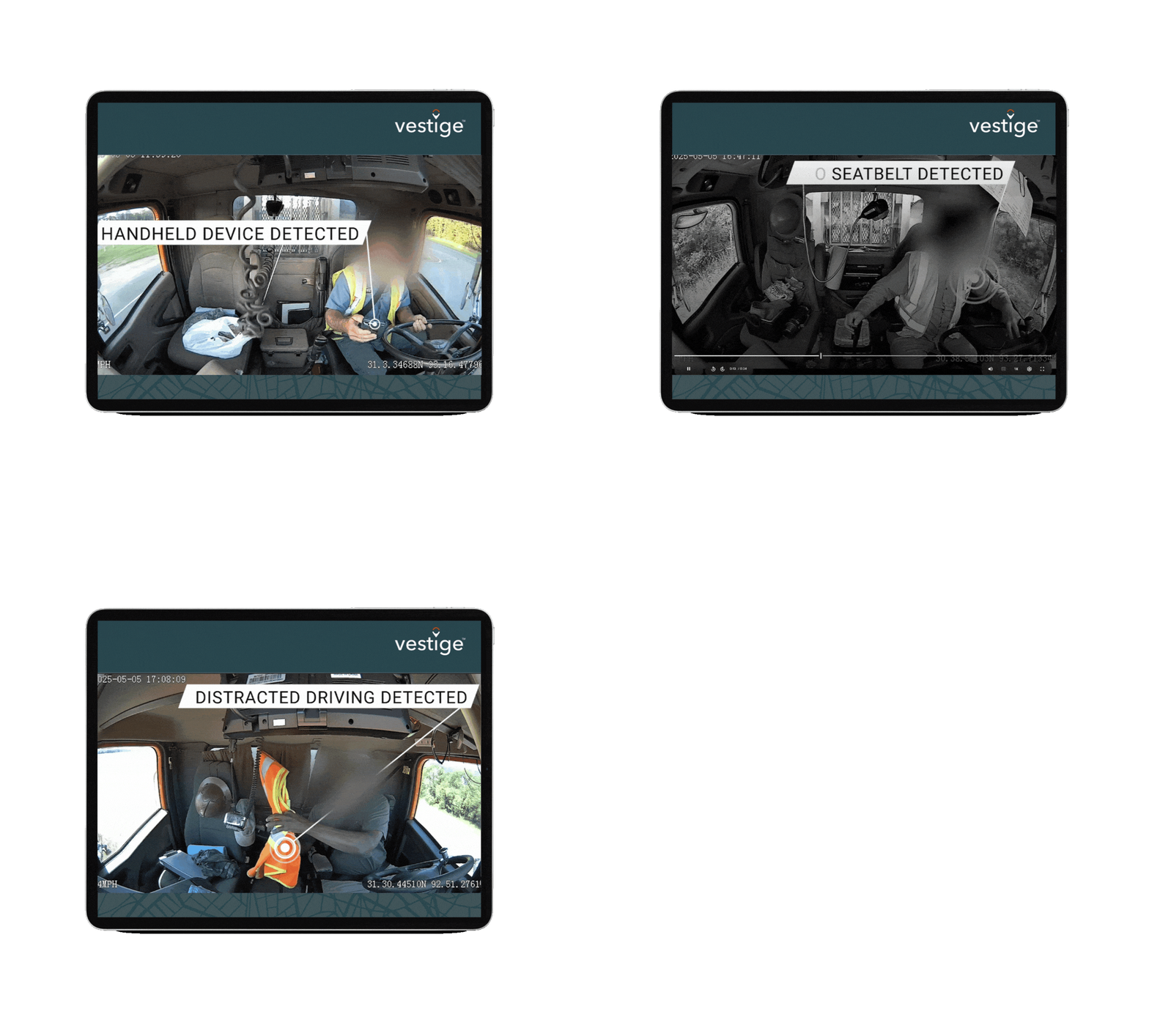
Real-time alerts for distracted driving, device usage, and fatigue to improve safety culture.
360º Fleet Vision:
Multi-camera system offers complete coverage inside and outside each vehicle
Incident Documentation:
Secure, high-quality footage to protect against false claims
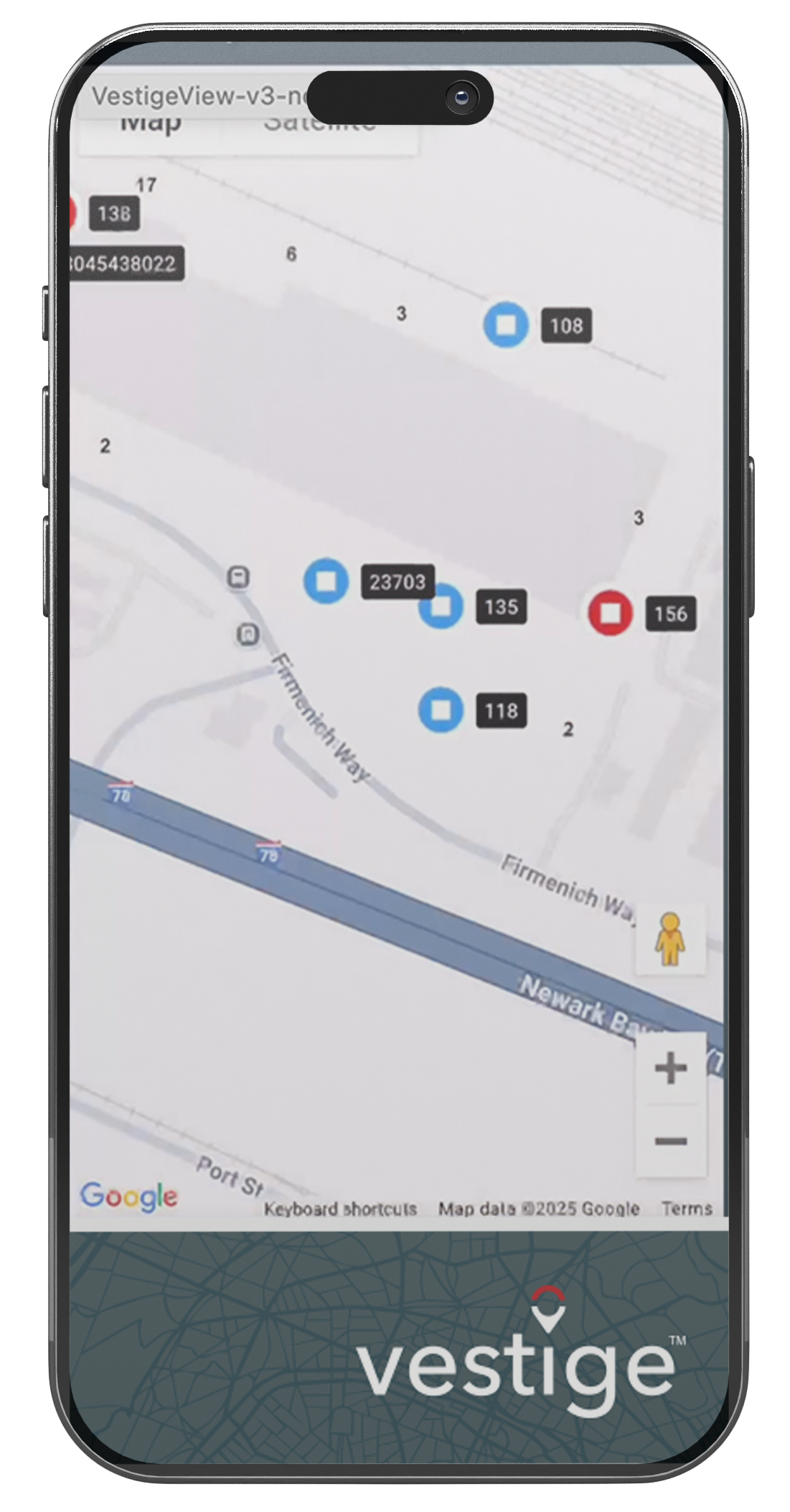
Real-Time Tracking:
GPS with alerts for speeding, idling, and unauthorized use
Driver Coaching:
Actionable data on routes, braking, and driving habits
The Vestige Difference
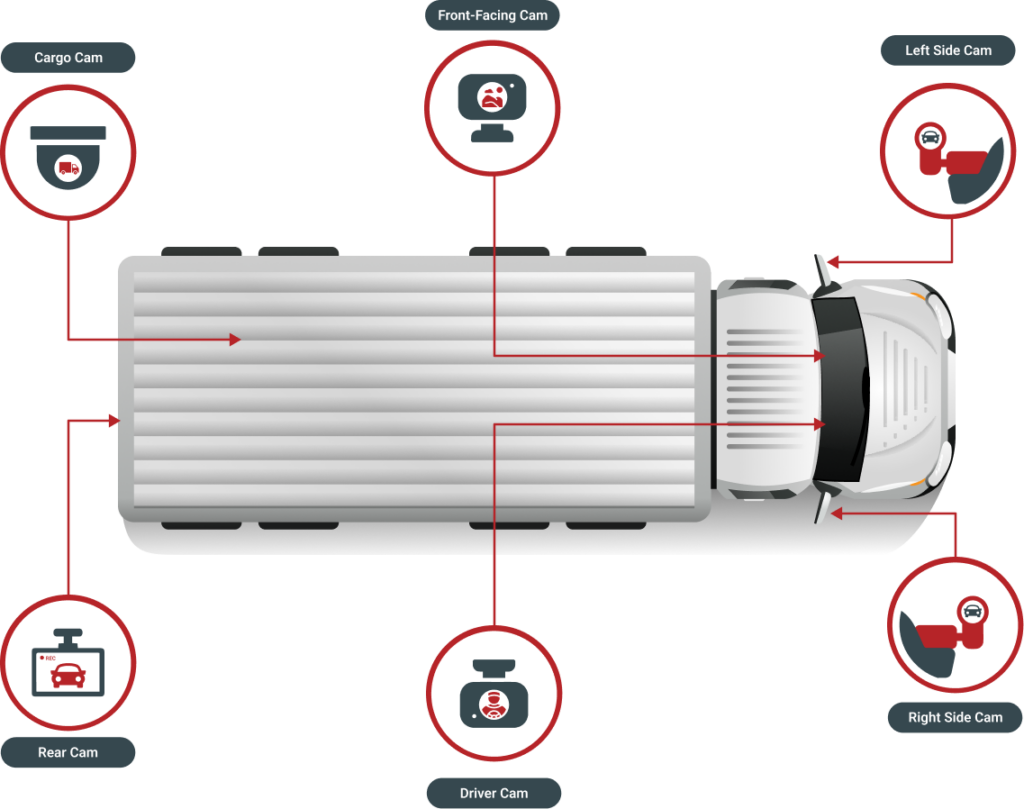
Multi-Camera System:
Customize up to 8 cameras per vehicle (interior & exterior)
Includes HD, audio, and 4G LTE live-streaming
Records even when parked
Live GPS Tracking:
Track locations, set alerts, and view analytics
Spot unsafe driving patterns instantly
Driver Behavior Monitoring:
Capture speed, routes, braking, and distractions
Coach drivers using real data
Incident Review & Protection:
Access footage with multiple angles
Prevent false claims and reduce insurance hikes
TRUSTED BY INDUSTRY LEADERS


See how SalSon Logistics turned a $9 million insurance problem into a strategic advantage
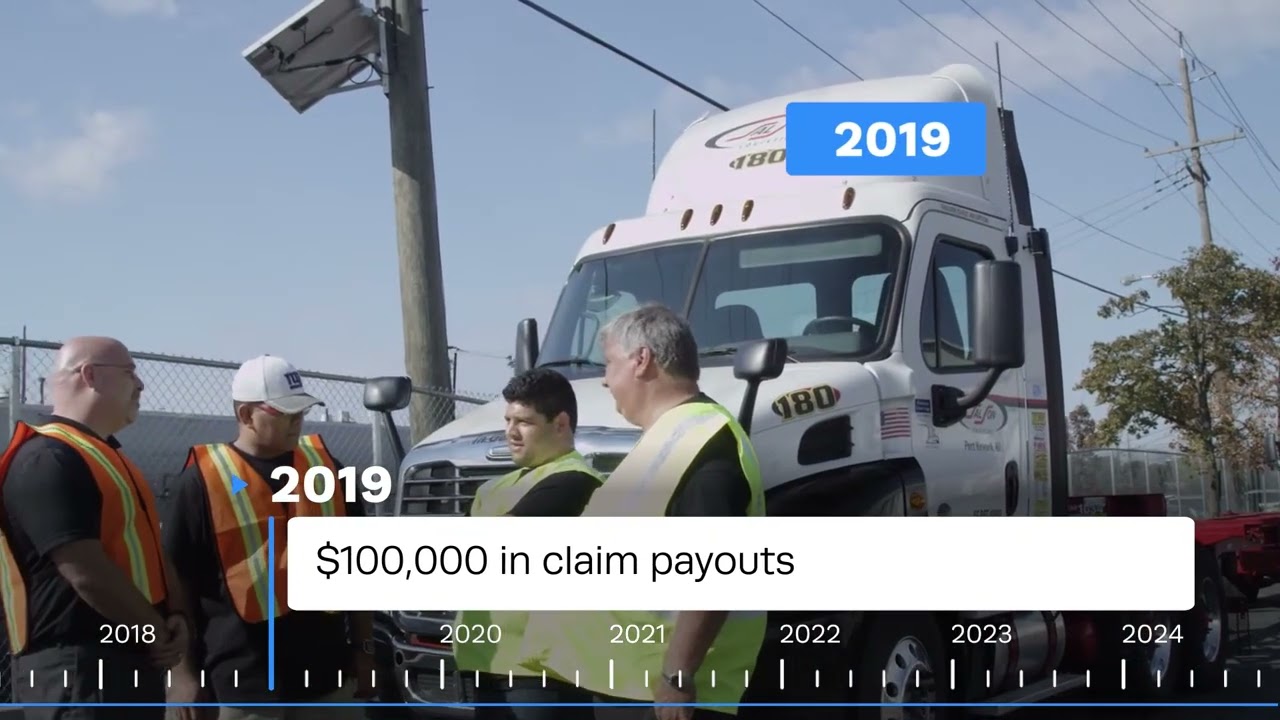
After spending nearly $9 million in claims in 2017—some from staged accidents—SalSon implemented Vestige’s AI‐powered fleet cameras and real‑time command center. The result? Accident payouts dropped from six‑figure annual totals to under $200,000 by 2024.
Better yet, drivers are protected, insurers are competing for their business, and a stronger safety culture now fuels their profitability.
Trustindex verifies that the original source of the review is Google. I have been a customer of Vestige for over 5 years. Megan and Corey do an awesome job and get us whatever we requested extremely quickly whether it’s an emergency that we need video of or a simple report we want! Their system has saved us from several Faldo claims and the software has never let us down!Trustindex verifies that the original source of the review is Google. Very effective and reliable resource in the field. Product is durable and does everything you’ll need from A-Z, remember you get what you pay for so why not get the best you can. Thank you Vestige for your support and business in this demanding field!Trustindex verifies that the original source of the review is Google. One of our trucks lost a drive line and no parts houses had one in stock. We were able to find it by watching the video from the side camera to see where it landed. Excellent product, and customer service at Vestige is excellent! Much better than other dash cam companies we have used in the past. Highly recommend.Trustindex verifies that the original source of the review is Google. Great products and Service... we were hesitant about getting the Dashcam Service but within a few months it basically paid for itself due to an accident we had that could have been considered our fault but thanks to the camera I was actually able to share it with the Trooper that worked the accident. Not sure how many different set ups they offer but we are very happy with the basicly Live DashCam service we got that also has GPS integrated . Its great having it all in one App.
Every day in America, approximately 15 people lose their lives in crashes involving large trucks. According to the National Highway Traffic Safety Administration (NHTSA), 5,472 people died in traffic crashes involving large trucks in 2023, with an additional 153,452 people injured. For fleet managers and safety coordinators, these numbers represent more than statistics, they represent a critical mandate to implement proven safety technologies. A fleet camera system for trucking has become one of the most effective tools for protecting drivers, reducing liability, and creating a culture of safety across commercial operations.
The trucking industry faces unprecedented challenges. Insurance costs have skyrocketed, nuclear verdicts threaten to bankrupt even well-run carriers, and fraudulent claims target commercial vehicles with alarming frequency. This guide takes a look at how modern fleet camera technology addresses these challenges while delivering measurable returns on investment for trucking operations of all sizes.

Sobering Statistics About the Increase In Staged Accidents
1. It’s Organized Crime
Criminal rings orchestrate many of these scams—with recruiters, fake clinics, lawyers, and “professional crashers.”
One ring in New Orleans stole $4.7 million before being caught.
2. Fraudsters Win Big in Court
Some walk away with $1M+ settlements because carriers settle quickly to avoid trial—especially when no dashcam footage exists.
3. Fleets Are Prime Targets
Large trucks are targeted due to their high liability coverage—often $750,000+ per incident—making them especially attractive to scammers.
4. It Hurts Everyone
These frauds increase insurance premiums by 10–20% annually for honest fleets in high-fraud areas.
5. Most Fleets Lack Video Protection
Only 15% of fleets are fully equipped with dash cameras—leaving them vulnerable and unable to prove their innocence.
Understanding the Modern Fleet Camera System
A fleet camera system for trucking consists of integrated video recording devices installed in commercial vehicles to capture driving events, monitor driver behavior, and provide critical evidence when incidents occur. Today’s systems go far beyond simple dashboard cameras. They incorporate artificial intelligence, real-time connectivity, and advanced analytics to create comprehensive safety and compliance platforms.
Modern fleet camera systems typically include forward-facing cameras that record road conditions, traffic, and potential hazards. Many systems also feature driver-facing cameras that monitor for signs of distraction, drowsiness, and unsafe behaviors. Some configurations add side-view and rear-view cameras to eliminate blind spots and provide complete situational awareness around the vehicle.
The technology has evolved significantly in recent years. According to research from the Virginia Tech Transportation Institute, carriers using video-based coaching programs saw their DOT crash rates decrease by an average of 49 percent. This dramatic improvement demonstrates the power of combining video documentation with structured driver coaching programs.
What sets professional fleet AI camera systems apart from consumer dashcams is their connectivity and intelligence. These systems transmit footage in real time, allowing safety managers to respond immediately to critical events. AI-powered detection can identify risky behaviors such as cell phone use, close following, or lane departure, and alert drivers in the moment, often preventing incidents before they occur.
The integration capabilities of modern systems also matter tremendously. Professional fleet camera solutions connect with fleet management platforms, electronic logging devices, and telematics systems to provide a unified view of operations. This integration enables correlation between video events and other operational data, creating powerful insights for continuous improvement.
The Financial Case for Fleet Camera Systems
The financial justification for investing in fleet camera technology has never been stronger. The American Transportation Research Institute (ATRI) reports that the median nuclear verdict against trucking companies reached $36 million in 2022, which is approximately 50 percent higher than the median nuclear verdict in 2013. During the same timeframe, the share of verdicts exceeding $50 million rose by 6.4 percentage points.
Insurance costs reflect this litigation environment. ATRI’s operational data shows that insurance premium costs per mile increased by 47 percent over ten years, rising from 5.9 cents to 8.7 cents per mile. Small fleets continue to pay more than twice as much per mile in premiums as larger fleets, making cost management critical for carriers of all sizes.
Fleet camera systems directly address these financial pressures through multiple mechanisms. The ability to quickly exonerate drivers using video evidence prevents fraudulent claims from advancing. Industry data indicates that dashcam systems can reduce claims costs by 60 to 80 percent by providing indisputable documentation of incident circumstances. Additionally, insurers increasingly recognize the safety value of camera technology, with premium discounts ranging from 5 to 20 percent for fleets using comprehensive video safety systems.
The SalSon Logistics case study illustrates the potential returns dramatically. This Newark-based logistics provider with 750 trucks was paying $9 million annually in fraudulent accident claims in 2017. After implementing AI-powered fleet GPS multi-cameras and tracking systems, their insurance payouts dropped to less than $200,000 by 2019. This is a reduction exceeding 97 percent. Their accident count fell from 418 to just 24 during the same period.
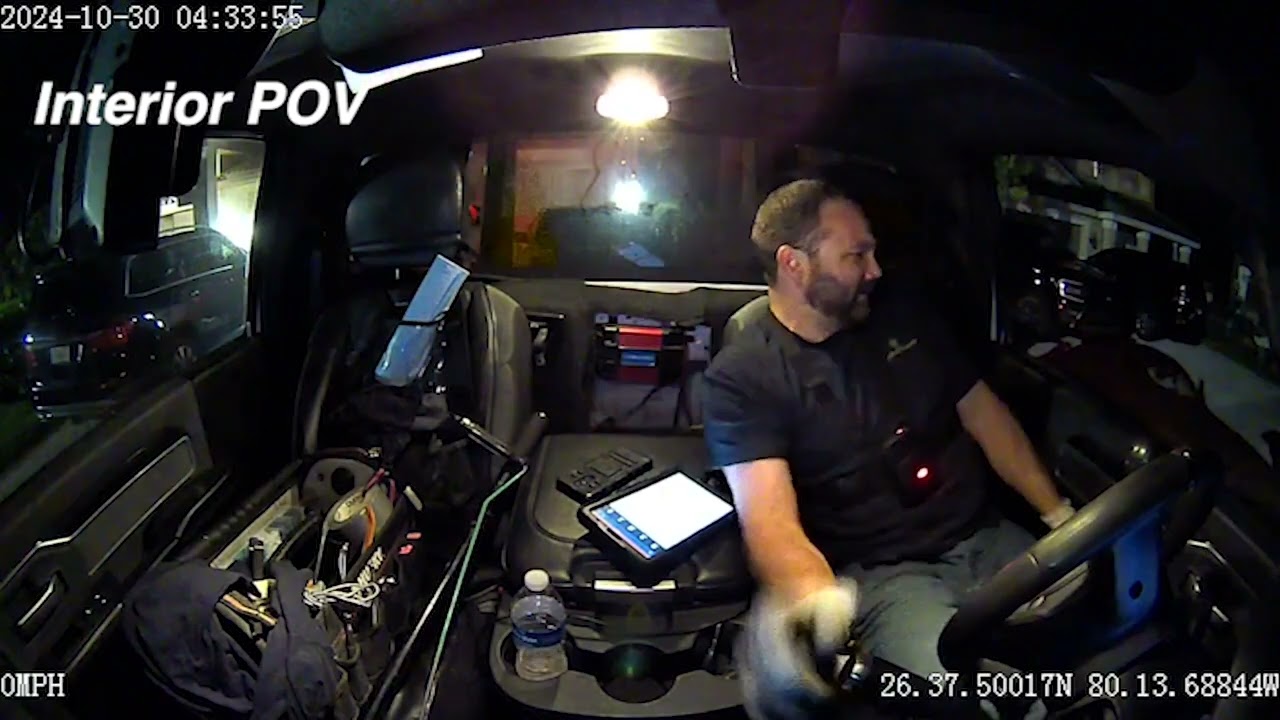
Elite Collateral Recovery Case Study
Rising insurance fraud is making it harder than ever for repossession companies to stay insured. Some have even shut down because of it. Elite Collateral Recovery faced a critical moment when staged accidents and false claims started to jeopardize its operations.
That’s when their founder, Max Piñeiro, turned to Vestige AI Cameras. With the right technology in place, the company not only protected its drivers but also safeguarded its company’s reputation.
Combating Staged Accident Fraud
Staged accidents represent one of the most dangerous and costly threats facing the trucking industry. The Coalition Against Insurance Fraud reports that insurance fraud costs the United States $308 billion annually, with $45 billion attributable to property and casualty insurance fraud, including staged accidents targeting commercial vehicles.
Criminal organizations specifically target large trucks because of their high insurance coverage limits. Common schemes include the “swoop and squat,” where a vehicle cuts in front of a truck and brakes suddenly, and the “drive down,” where a vehicle waves a truck into traffic, then deliberately collides. These orchestrated collisions put innocent truck drivers at risk while generating fraudulent injury claims that can reach seven figures.
A federal investigation in Louisiana uncovered a staged accident fraud ring that resulted in 63 indictments, including plaintiff attorneys who facilitated bogus claims. Georgia officials have investigated 63 U-Haul-related fraud cases since 2014, leading to 47 arrests. These cases demonstrate the organized nature of the threat and the need for robust defensive measures.
Fleet camera systems provide the most effective defense against staged accident fraud. When a collision occurs, camera footage immediately reveals the true circumstances. For many carriers, adopting a fleet camera system for trucking ensures they have the evidence needed to dispute false claims. Fraudsters rely on their word against the driver’s, and video evidence removes that ambiguity entirely. Multiple cases document how fleets have avoided substantial lawsuit payouts by proving their drivers were not at fault using dashcam footage.
The deterrent effect also matters significantly. When it becomes known that a fleet operates camera-equipped vehicles, fraudsters often select different targets. This protective reputation extends across the entire fleet, reducing exposure to the staged accident schemes that plague the industry.
Driver Safety and Behavior Coaching
Beyond liability protection, fleet camera systems serve as powerful tools for improving driver safety and reducing preventable incidents. Research from the Virginia Tech Transportation Institute demonstrates that AI-powered dash cams can successfully alert drivers to unsafe driving behaviors, providing in-cab warnings that prevent distraction-related crashes.
The National Highway Traffic Safety Administration found that driver-related factors contribute to 94 percent of crashes. Distraction represents a particularly dangerous behavior. Five distracted seconds at highway speeds equals driving the length of a football field with eyes closed. Modern fleet camera systems detect phone use, texting, eating, and other distractions, alerting drivers before these behaviors lead to crashes.
Structured coaching programs multiply the safety impact of camera technology. Rather than using video solely for punitive purposes, leading fleets integrate footage into positive coaching conversations that help drivers recognize and correct risky behaviors. Studies show that fleets implementing camera footage combined with coaching programs reduced risky driving behaviors by more than 50 percent.
Driver acceptance typically improves once team members understand that cameras protect their careers and livelihoods. When drivers see footage that exonerates colleagues from false accusations, resistance often transforms into appreciation. One Vestige customer, John Lampasona of SalSon Logistics, captured this shift perfectly: “We’re not flying blind anymore. Vestige gave us eyes.”
The safety culture impact extends beyond individual drivers. When organizations demonstrate commitment to protecting their teams through technology investments, morale and retention improve. Drivers feel supported and protected—not surveilled and mistrusted. This distinction matters enormously for recruitment and retention in a competitive labor market.
SalSon Logistics Case Study
John Lampersona, VP of Safety & Logistics at SalSon, was determined to protect his fleet—and his business relationships—from the crushing weight of multi-million dollar accident claims.
Lampersona transformed the situation by equipping his entire fleet with the Vestige Camera.
Real-time data significantly enhanced driver behavior, prevented false claims, and reduced accident-related costs, thereby revolutionizing SalSon’s safety culture.
Read more about how the Vestige Camera drives lasting change in the logistics industry.
Compliance and Documentation Benefits
Fleet camera systems support regulatory compliance in multiple ways while creating documentation that protects carriers during audits and investigations. The Federal Motor Carrier Safety Administration maintains the CSA (Compliance, Safety, Accountability) program that scores carriers based on safety performance. Video documentation helps carriers defend against inaccurate reports and demonstrate commitment to safety during FMCSA reviews.
FMCSA regulations permit mounting dashcams on truck windshields provided they adhere to federal size and placement restrictions that maintain driver visibility. This regulatory acceptance reflects agency recognition that video safety systems contribute positively to overall highway safety. The National Transportation Safety Board has consistently recommended onboard cameras to enhance driver safety oversight, compliance verification, and crash investigations.
Documentation benefits extend to Hours of Service compliance, vehicle inspection verification, and accident investigation. When incidents occur, timestamped video provides an accurate record of circumstances that supplements electronic logging data and driver statements. This comprehensive documentation accelerates claims resolution while protecting against disputes about what actually happened.
Some states have specific requirements regarding driver consent for in-cab audio recording or cameras that collect biometric data. Professional fleet camera providers understand these requirements and configure systems appropriately. Privacy laws in states including Illinois, Texas, and Washington require fleets to obtain driver consent before recording in-cab audio or using facial recognition features. Ensuring your fleet camera system for trucking is configured to meet these state-level privacy laws prevents legal exposure while respecting driver privacy concerns.
Selecting the Right Fleet Camera System
Choosing the appropriate fleet camera system requires evaluating multiple factors against your specific operational requirements. Camera quality matters. High-definition video with wide fields of view captures more detail in critical moments. Look for systems recording at 1080p or higher with frame rates sufficient to capture fast-moving events clearly.
Connectivity determines how quickly you receive critical information. Modern real-time fleet monitoring systems transmit footage over cellular networks immediately when triggered events occur. This capability enables safety managers to respond within minutes rather than waiting until vehicles return to the terminal. For operations in remote areas, evaluate coverage maps and consider systems with satellite backup options.
AI capabilities vary significantly between systems. More sophisticated artificial intelligence detects a wider range of risky behaviors with fewer false positives. Virginia Tech testing has demonstrated substantial performance differences between leading systems in detecting behaviors like phone use, close following, and lane departure. Evaluate detection accuracy claims carefully and request reference customers in similar operations.
Storage and retention policies affect both cost and litigation readiness. Cloud storage simplifies access but generates ongoing costs. On-device storage requires less bandwidth but creates risks if devices are damaged in incidents. Many carriers retain footage for up to five years to cover legal statutes of limitation—ensure your selected system supports appropriate retention periods.
Integration with existing systems prevents information silos that limit value. The best fleet camera systems connect with your telematics platform, fleet management software, and ELD provider to create unified operational intelligence. Evaluate API availability, existing integrations, and implementation support when comparing vendors. Making sure that your fleet camera system for trucking integrates smoothly with these tools maximizes its value and reduces operational friction.

Vestige featured in Charlotte Business Journal
The leader in safety technology is featured following the opening of its new office to support the expanding sales and support teams, which serve thousands of clients across North America.
Implementation Best Practices
Successful fleet camera implementation requires thoughtful planning, clear communication, and ongoing commitment to the program. Begin with a pilot deployment on a subset of vehicles to identify integration challenges and refine processes before full rollout. Document lessons learned and adjust your approach based on pilot experience.
Driver communication determines acceptance and adoption. Explain clearly that camera systems protect drivers from false accusations, fraudulent claims, and wrongful termination. Share examples of how cameras have exonerated drivers in your organization or similar fleets. Address privacy concerns directly by explaining when cameras record, who reviews footage, and how recordings are used.
Establish clear policies before deployment. Define what events trigger recording, who has access to footage, how long recordings are retained, and how video will be used in coaching and investigations. Consistent, transparent policies build trust and prevent misunderstandings that undermine program effectiveness.
Training should cover both technical operation and program goals. Drivers need to understand how to identify if cameras are functioning properly, what behaviors trigger alerts, and how to access exoneration footage when incidents occur. Managers need training on coaching techniques that use video constructively rather than punitively.
Measure and report results consistently. Track metrics including incidents, claims costs, CSA scores, and driver coaching completion. Share positive results with the organization to build program support. When footage exonerates a driver or prevents a fraudulent claim, communicate that win to reinforce program value with your fleet camera system for trucking.
Check out our client stories from fleets similar to yours to get a better understanding of realistic implementation timelines and results.
Protect Your Fleet with Vestige Camera Solutions
The evidence is clear: fleet camera systems deliver measurable returns through reduced claims costs, insurance savings, improved safety performance, and protection against fraudulent accusations. As nuclear verdicts continue rising and staged accident schemes target commercial vehicles, camera technology has become essential infrastructure for responsible fleet operations.
Vestige provides AI-powered vehicle cameras and real-time monitoring solutions designed specifically for high-risk commercial environments. Our systems help organizations reduce liability, protect drivers, and respond effectively in the moments that matter most. With proven results from customers, including major logistics providers and transportation companies, Vestige understands the unique challenges facing today’s trucking operations.
Take the next step toward protecting your fleet and your drivers.
Request a demo to see how Vestige’s fleet camera technology can transform your safety program while delivering measurable financial returns.
Our team is happy to assess your specific requirements and demonstrate how our technology addresses your most pressing challenges.
Frequently Asked Questions About Fleet Camera Systems
Costs for fleet camera systems vary based on features, camera count, and subscription services. Basic systems may start around $20-30 per vehicle monthly, while comprehensive AI-powered solutions with real-time connectivity typically range from $40-80 per vehicle monthly. Evaluate the total cost of ownership, including hardware, installation, connectivity, and cloud storage. Compare these costs against potential savings from reduced claims, insurance discounts, and improved operational efficiency.
Most fleet camera systems use event-triggered recording to conserve storage while capturing critical moments. Events that trigger recording include hard braking, sudden acceleration, sharp cornering, collision detection, and AI-identified risky behaviors. Many systems also maintain continuous loop recording that overwrites unless triggered, ensuring footage exists for any incident. Drivers often can manually trigger recording when they observe hazardous situations.
Initial driver resistance is common but usually diminishes once drivers experience the protective benefits firsthand. When drivers see footage that exonerates colleagues from false accusations, attitudes shift significantly. Clear communication about program goals—emphasizing protection rather than surveillance—accelerates acceptance. Fleets that implement positive coaching programs rather than purely punitive approaches report better driver satisfaction and retention.
Yes, fleet camera footage is regularly used as evidence in legal proceedings. Courts generally accept properly authenticated video recordings. Footage has proven particularly valuable in defending against fraudulent claims and nuclear verdicts. Proper chain of custody documentation and metadata preservation ensure footage meets evidentiary standards. Work with your legal team to establish appropriate policies for footage management.
Quality fleet camera systems include protective features for collision events. Many systems transmit footage to cloud storage immediately when impacts are detected, preserving evidence even if hardware is destroyed. Battery backup features continue recording even when vehicle power is lost. Some systems include impact-resistant housings and secure mounting that increases survival probability.
Retention periods should align with statute of limitations considerations for your operating jurisdictions. Many fleets retain footage for three to five years to cover potential litigation timelines. Work with legal counsel to establish appropriate retention policies. Ensure your camera system provider offers storage options that support the required retention periods without high cost.
Get Started with Vestige Today
Vestige is committed to delivering top-tier GPS fleet tracking and dash cam solutions tailored to your business needs. Here’s why businesses across the globe trust us:
24/7 Customer Support:
Our team is always here to assist you, whether you have a question about your fleet dash cam system or need help analyzing GPS fleet tracking data.
Seamless Integration:
Our systems are easy to install and integrate with your existing fleet management tools. You’ll be up and running in no time, with both GPS fleet tracking and dash cam footage available at your fingertips.
Scalable Solutions:
Whether you have a fleet of 5 or 500 vehicles, our GPS fleet tracking and dash cam solutions can scale with your business. From small operations to large corporations, we’ve got the right tools for every fleet size.
Don’t leave your fleet management to chance. Invest in Vestige’s advanced GPS fleet tracking and dash cam technology and gain the insights you need to improve safety, efficiency, and accountability.
Contact us today to learn how our fleet dash cam solutions can transform the way you manage your fleet.
Speak With A Fleet Specialist
Learn more about the Vestige AI Camera System
Find out more about our camera system and how our customers have utilized our smart camera solution to improve their fleets.