Best Fleet Camera System for Logistics: Everything You Need To Know
Let us help you protect your fleet!
Driver Behavior Analytics:
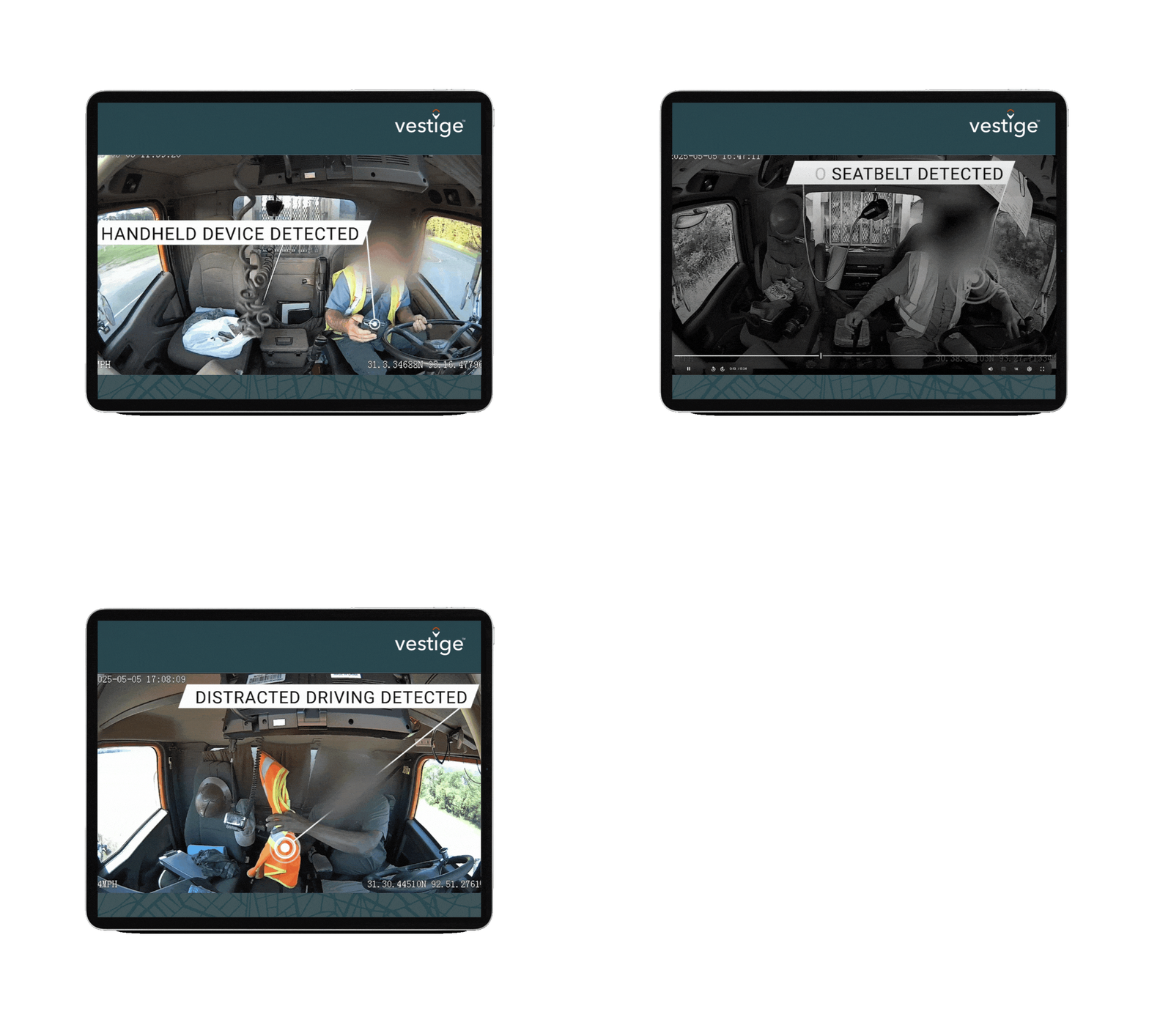
Real-time alerts for distracted driving, device usage, and fatigue to improve safety culture.
360º Fleet Vision:
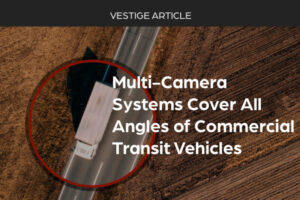
Multi-camera system offers complete coverage inside and outside each vehicle
Incident Documentation:
Secure, high-quality footage to protect against false claims
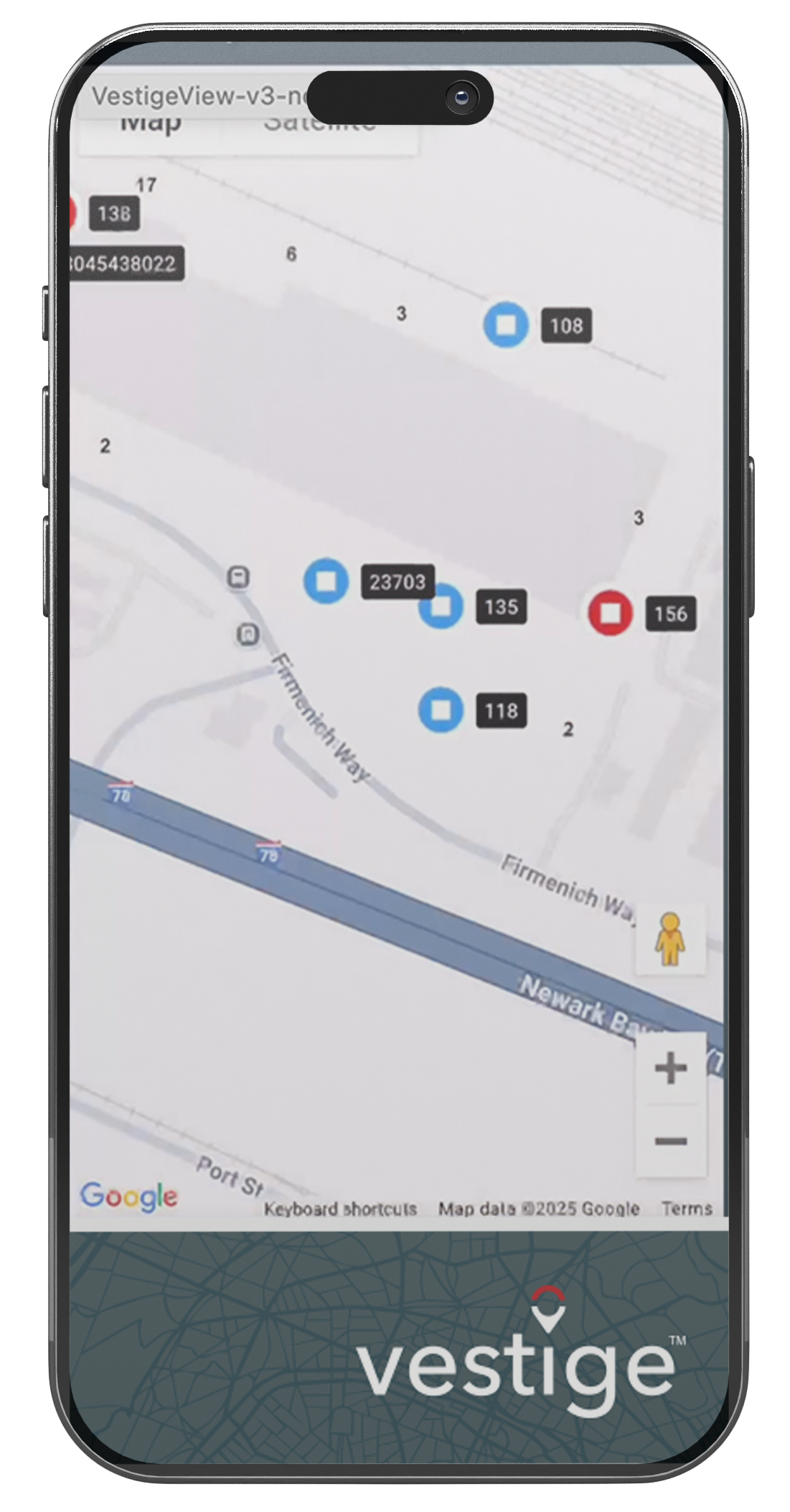
Real-Time Tracking:
GPS with alerts for speeding, idling, and unauthorized use
Driver Coaching:
Actionable data on routes, braking, and driving habits
The Vestige Difference
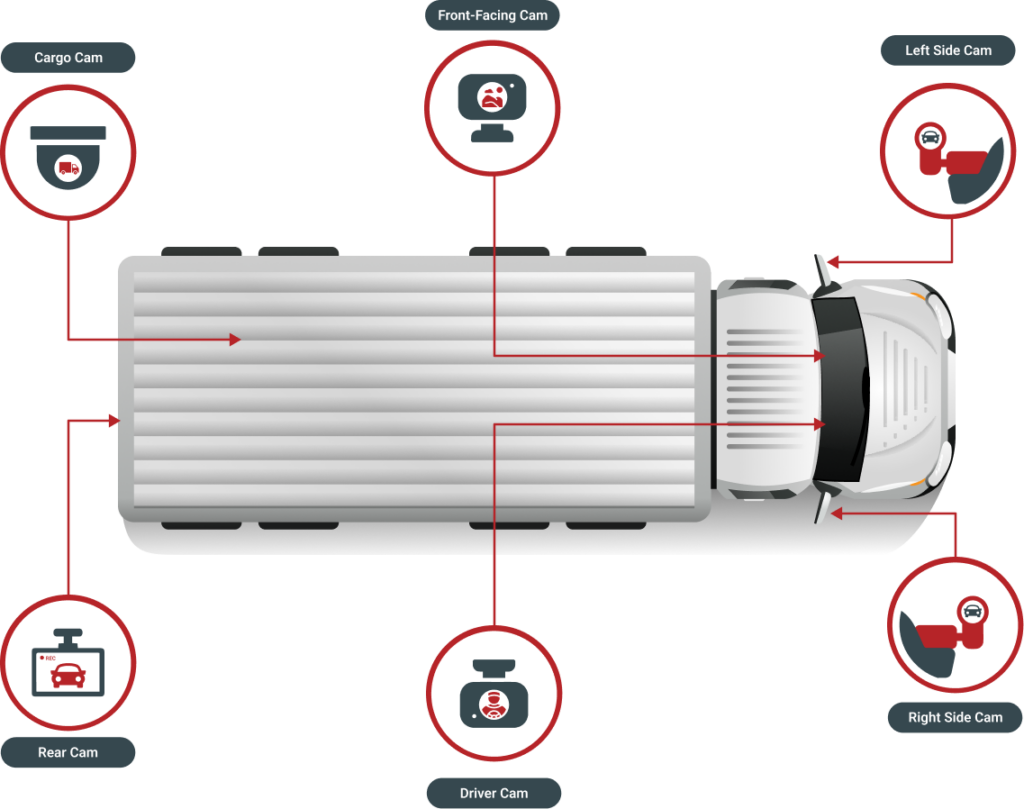
Multi-Camera System:
Customize up to 8 cameras per vehicle (interior & exterior)
Includes HD, audio, and 4G LTE live-streaming
Records even when parked
Live GPS Tracking:
Track locations, set alerts, and view analytics
Spot unsafe driving patterns instantly
Driver Behavior Monitoring:
Capture speed, routes, braking, and distractions
Coach drivers using real data
Incident Review & Protection:
Access footage with multiple angles
Prevent false claims and reduce insurance hikes
TRUSTED BY INDUSTRY LEADERS


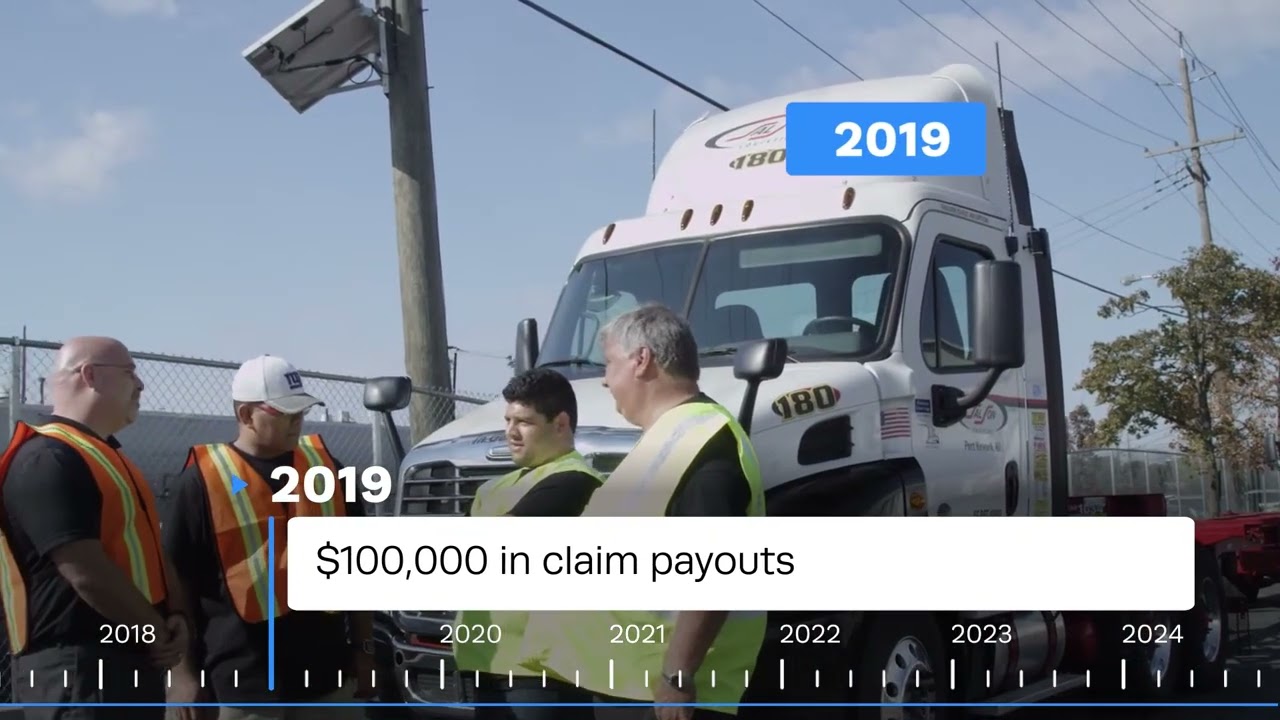
See how SalSon Logistics turned a $9 million insurance problem into a strategic advantage
After spending nearly $9 million in claims in 2017—some from staged accidents—SalSon implemented Vestige’s AI‐powered fleet cameras and real‑time command center. The result? Accident payouts dropped from six‑figure annual totals to under $200,000 by 2024.
Better yet, drivers are protected, insurers are competing for their business, and a stronger safety culture now fuels their profitability.
Trustindex verifies that the original source of the review is Google. I have been a customer of Vestige for over 5 years. Megan and Corey do an awesome job and get us whatever we requested extremely quickly whether it’s an emergency that we need video of or a simple report we want! Their system has saved us from several Faldo claims and the software has never let us down!Trustindex verifies that the original source of the review is Google. Very effective and reliable resource in the field. Product is durable and does everything you’ll need from A-Z, remember you get what you pay for so why not get the best you can. Thank you Vestige for your support and business in this demanding field!Trustindex verifies that the original source of the review is Google. One of our trucks lost a drive line and no parts houses had one in stock. We were able to find it by watching the video from the side camera to see where it landed. Excellent product, and customer service at Vestige is excellent! Much better than other dash cam companies we have used in the past. Highly recommend.Trustindex verifies that the original source of the review is Google. Great products and Service... we were hesitant about getting the Dashcam Service but within a few months it basically paid for itself due to an accident we had that could have been considered our fault but thanks to the camera I was actually able to share it with the Trooper that worked the accident. Not sure how many different set ups they offer but we are very happy with the basicly Live DashCam service we got that also has GPS integrated . Its great having it all in one App.
The logistics industry faces unprecedented safety and liability challenges. In 2023, 5,375 large trucks were involved in fatal crashes. This is a 43% increase over the last decade. For fleet managers and logistics company owners, implementing the best fleet camera system for logistics is no longer just about compliance is no longer just about compliance. It’s about survival in an industry where a single accident can cost millions, and insurance premiums continue climbing year after year.
The best fleet camera systems deliver far more than basic video recording. They provide real-time driver coaching, fraud protection, insurance discounts, and the comprehensive evidence needed to defend your drivers and protect your company from devastating legal claims. This guide examines what separates industry-leading solutions from basic dashcams, helping you select technology that reduces accidents, lowers costs, and improves driver retention.

Sobering Statistics About the Increase In Staged Accidents
1. It’s Organized Crime
Criminal rings orchestrate many of these scams—with recruiters, fake clinics, lawyers, and “professional crashers.”
One ring in New Orleans stole $4.7 million before being caught.
2. Fraudsters Win Big in Court
Some walk away with $1M+ settlements because carriers settle quickly to avoid trial—especially when no dashcam footage exists.
3. Fleets Are Prime Targets
Large trucks are targeted due to their high liability coverage—often $750,000+ per incident—making them especially attractive to scammers.
4. It Hurts Everyone
These frauds increase insurance premiums by 10–20% annually for honest fleets in high-fraud areas.
5. Most Fleets Lack Video Protection
Only 15% of fleets are fully equipped with dash cameras—leaving them vulnerable and unable to prove their innocence.
Understanding Fleet Camera Technology for Modern Logistics Operations
Fleet camera systems have evolved dramatically from simple dashcams into sophisticated safety platforms powered by artificial intelligence and cloud computing. Modern systems integrate multiple cameras, GPS tracking, and advanced analytics to create a complete view of vehicle operations and driver behavior. Understanding these technological capabilities helps logistics companies make informed decisions about which features deliver the greatest return on investment.
Multi-camera configurations represent the foundation of effective fleet monitoring. Basic systems include forward-facing cameras capturing road conditions and traffic incidents. More comprehensive solutions add driver-facing cameras to monitor distraction, fatigue, and seat belt compliance. The most advanced platforms incorporate side and rear cameras, creating 360-degree visibility around vehicles. This complete coverage proves invaluable during loading dock operations, tight urban deliveries, and backing maneuvers where most preventable accidents occur.
Artificial intelligence capabilities distinguish premium systems from basic recording devices. AI dash cams analyze driver behavior in real-time, identifying risky actions like cell phone use, eating while driving, following too closely, or rolling through stop signs. These systems trigger immediate alerts to drivers through in-cab audio warnings, creating coaching opportunities before incidents occur. Research from Virginia Tech Transportation Institute shows that real-time alerts combined with coaching reduce severe safety incidents by up to 60%.
Cloud-based video storage enables instant access to footage from anywhere with internet connectivity. Fleet managers can review incidents immediately after they occur, retrieve video evidence for insurance claims within minutes, and share footage with law enforcement or legal teams as needed. Advanced platforms offer customizable retention policies, automatically preserving critical footage while managing storage costs for routine driving. This cloud-based approach eliminates the risk of lost evidence from damaged or stolen recording devices.
GPS integration and fleet tracking combine location data with video evidence for comprehensive incident documentation. When a camera system detects harsh braking, rapid acceleration, or sharp turns, it simultaneously records the precise location, speed, and heading. This integration helps reconstruct accidents, verify driver route compliance, and identify high-risk locations where additional training may be needed. For logistics companies managing nationwide operations, fleet GPS tracking provides the visibility required to optimize safety protocols across diverse operating environments.
The technology selection process requires understanding how these capabilities align with your specific operational challenges. Urban delivery fleets benefit most from 360-degree camera coverage and AI-powered backing alerts. Long-haul operations prioritize driver fatigue detection and highway-focused features. Regional carriers serving rural areas need systems with reliable cellular connectivity and efficient data management. The best fleet camera system for logistics delivers the specific capabilities addressing your highest-risk scenarios and regulatory requirements.
Key Features That Define Top-Performing Fleet Camera Systems
Not all commercial fleet camera systems deliver equal value. The features that set the best fleet camera systems apart from basic ones directly affect how well you can avoid accidents, protect against false claims, and show that you follow regulations. Understanding which capabilities matter most helps logistics companies invest in technology that delivers measurable ROI rather than just recording footage.
Real-time event detection and alerts represent the most valuable safety feature in modern camera systems. Premium platforms use AI to identify risky behaviors as they happen—cell phone use, drowsiness, failure to stop, following too closely. When the system detects dangerous behavior, it immediately alerts the driver through audio warnings, creating instant feedback that improves decision-making before accidents occur. Fleet managers receive simultaneous notifications, enabling immediate intervention for the highest-risk situations. This proactive approach prevents incidents rather than just documenting them after the fact.
Video quality and low-light performance determine whether footage provides usable evidence when you need it most. The best systems record in high-definition (1080p minimum) with wide dynamic range to capture clear images in challenging conditions—bright sunshine, heavy rain, fog, or nighttime operations. Poor-quality video that can’t identify license plates, read road signs, or show driver actions becomes worthless evidence. Commercial-grade camera systems include infrared capabilities for driver-facing cameras, ensuring clear footage regardless of lighting conditions inside the cab.
Instant video retrieval capabilities separate professional platforms from consumer-grade products. When an incident occurs, fleet managers need immediate access to footage—not hours spent downloading files or waiting for drivers to return to terminals. Cloud-connected systems enable instant video requests from any device, with footage available within minutes. This quick access is essential during police investigations at the scene, same-day insurance claims, and legal cases where having evidence right away can help avoid unfair blame.
Driver coaching and safety analytics transform raw video data into actionable insights that improve fleet performance. Leading platforms provide dashboards showing which drivers exhibit the safest behaviors and which need additional training. Coaching workflows help managers provide constructive feedback using actual footage of risky behaviors, creating more effective training sessions than generic safety meetings. Progressive companies use these analytics to recognize and reward safe drivers, improving morale and retention while reducing accident rates.
Cellular connectivity and offline recording ensure continuous protection regardless of network availability. Premium systems automatically upload triggered events over cellular networks while buffering footage locally when connectivity drops. This hybrid approach guarantees evidence preservation even in rural areas with limited coverage. Systems that require constant connectivity or rely solely on local storage create gaps in protection that could prove costly during critical incidents.
Integration capabilities with existing systems provide value beyond standalone camera functions. The best platforms connect with electronic logging devices for combined hours-of-service and safety monitoring. They integrate with maintenance systems to correlate mechanical issues with harsh driving events. Advanced solutions provide APIs that allow for custom connections with specific logistics management systems, giving a complete view of all fleet operations.</sent
Tamper-proof design and secure footage prevent evidence manipulation that could undermine legal defenses. Commercial camera systems include encrypted storage, secure cloud transmission, and audit trails showing exactly when footage was accessed and by whom. These security features prove essential during litigation, where opposing counsel may question evidence integrity. Systems with weak security or easy driver access to recordings create vulnerabilities that sophisticated attorneys exploit.
Scalability and fleet management tools allow platforms to grow with your business. Solutions designed for enterprise logistics operations support hundreds or thousands of vehicles with centralized management consoles. Role-based access controls let different team members access appropriate features—maintenance staff viewing diagnostic alerts, safety directors reviewing coaching opportunities, executives accessing fleet-wide analytics. This scalability ensures your technology investment remains valuable as your operation expands.
Selecting a fleet camera system requires evaluating these features against your specific operational profile. Companies facing high fraud risk in urban areas prioritize multi-camera coverage and instant video retrieval. Fleets with driver retention challenges emphasize coaching tools that improve engagement rather than punitive monitoring. Operations subject to intensive DOT scrutiny need systems with comprehensive compliance reporting. The best system for your logistics operation delivers the combination of features addressing your most pressing challenges while remaining within budget constraints that ensure positive ROI.
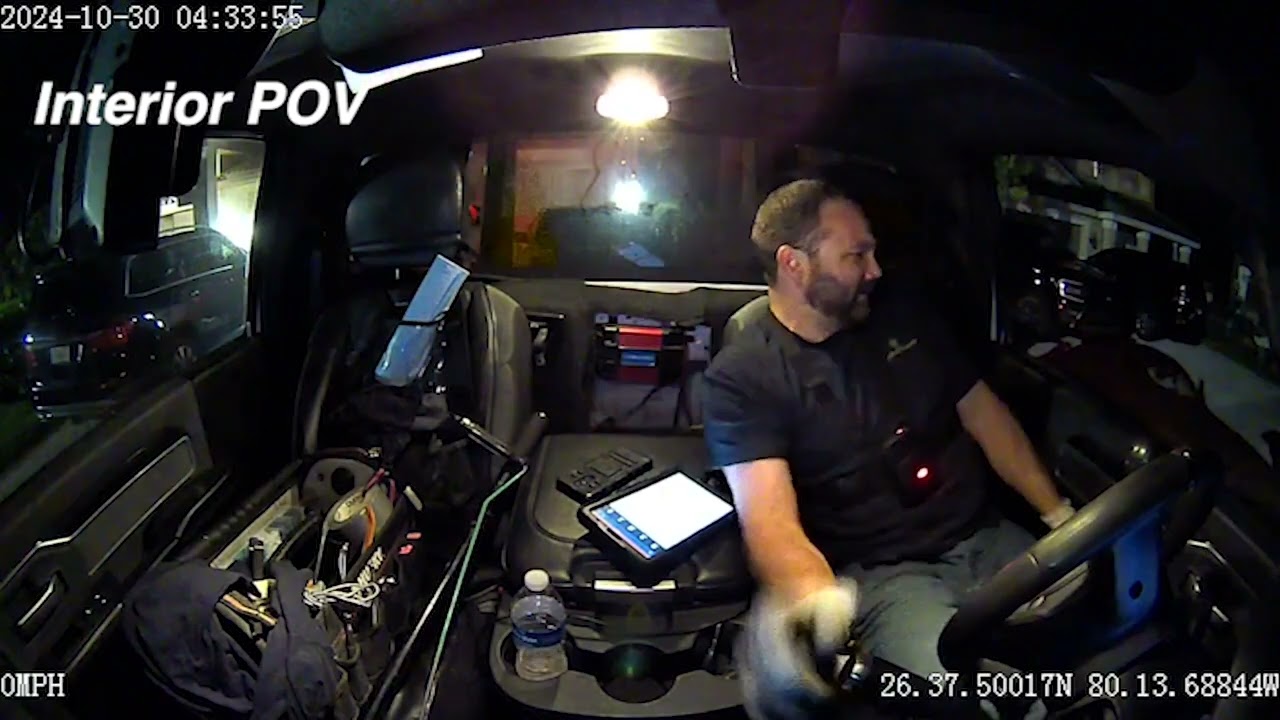
Elite Collateral Recovery Case Study
Rising insurance fraud is making it harder than ever for repossession companies to stay insured. Some have even shut down because of it. Elite Collateral Recovery faced a critical moment when staged accidents and false claims started to jeopardize its operations.
That’s when their founder, Max Piñeiro, turned to Vestige AI Cameras. With the right technology in place, the company not only protected its drivers but also safeguarded its company’s reputation.
How Fleet Cameras Reduce Insurance Costs and Prevent Fraudulent Claims
Insurance represents one of the largest fixed costs for logistics operations. In 2023, average insurance premiums reached $0.099 per mile, with many carriers paying substantially more based on their claims history. The best fleet camera system for logistics provides multiple pathways to reducing these costs while protecting companies from the devastating financial impact of fraudulent accident claims that target commercial vehicles.
Direct insurance discounts offer immediate cost savings for carriers installing approved camera systems. Many commercial insurers now provide premium reductions ranging from 5% to 15% for fleets using video-based safety monitoring. Some progressive insurance programs offer up to 20% discounts when camera systems include both forward and driver-facing capabilities with AI-powered safety features. These discounts typically pay for camera system costs within 18 to 24 months, creating positive ROI before considering any other benefits from accident prevention or claims defense.
Nuclear verdict protection has become critical as lawsuit awards against trucking companies escalate. Between 2010 and 2018, average nuclear verdicts (over $10 million) increased 967%, with average awards jumping from $2.3 million to $22.3 million. Video evidence from fleet cameras provides the most effective defense against these devastating judgments. When footage clearly shows that an accident wasn’t the truck driver’s fault, attorneys struggle to convince juries to award massive damages. One logistics company avoided a $150,000 lawsuit payout using dashcam footage proving their driver’s innocence in a disputed crash.
Staged accident fraud prevention protects carriers from sophisticated criminal operations targeting commercial vehicles. Fraudulent insurance claims cost over $308 billion annually across all industries, with commercial trucks representing high-value targets due to generous insurance policies. Organized fraud rings employ tactics like “swoop and squat” maneuvers, where vehicles suddenly cut in front of trucks and brake hard, causing rear-end collisions. Camera systems instantly expose these schemes with clear video showing deliberate actions by fraud perpetrators.
Rapid claims resolution reduces the administrative burden and uncertainty around accident investigations. Traditional claims processes can take months as insurers investigate conflicting statements from drivers and witnesses. Video evidence enables same-day determinations in many cases, with clear footage showing fault immediately. This speed benefits carriers through reduced legal fees, faster case closure, and improved relationships with insurance providers who appreciate efficient claims handling. Industry studies show camera systems reduce claims costs by 60 to 80% through a combination of accident prevention and streamlined resolution.
Driver exoneration and retention create substantial indirect value beyond direct cost savings. Professional drivers appreciate technology that protects their careers from false accusations. When a customer claims a driver damaged property, was rude, or drove recklessly, video footage provides objective evidence supporting the driver’s account. Retaining experienced drivers avoids recruiting costs while maintaining the skilled workforce needed for safe operations.
Proactive risk management through camera analytics helps prevent claims before they occur. By identifying drivers exhibiting risky behaviors—speeding, harsh braking, distracted driving—safety managers can intervene with coaching before accidents happen. This proactive approach reduces accident frequency, which directly impacts insurance renewal premiums. Carriers demonstrating improving safety metrics through camera system data often negotiate better rates during policy renewals compared to competitors without documented safety programs.
FMCSA compliance and CSA scores influence insurance costs through their impact on carrier safety ratings. The Federal Motor Carrier Safety Administration’s Compliance, Safety, Accountability program tracks violations and crash history, with poor scores leading to higher insurance premiums or coverage denials. Camera systems help maintain strong CSA scores by providing evidence that exonerates drivers in accidents where the truck wasn’t at fault. This documentation prevents undeserved black marks on safety records that would otherwise increase insurance costs for years.
Real-world results show how much money comprehensive camera programs can save. SalSon Logistics reduced insurance payouts from $9 million to under $200,000 annually while cutting accidents from 418 to just 24 through strategic implementation of fleet AI camera systems. This dramatic improvement resulted from combining 360-degree camera coverage with proactive driver coaching and immediate incident response capabilities. The company’s experience shows how the right technology, properly implemented, transforms fleet safety culture while delivering measurable financial benefits.
Implementing Fleet Cameras: Best Practices for Logistics Companies
Successfully deploying fleet camera systems requires more than just installing hardware. The most effective implementations combine thoughtful planning, transparent driver communication, comprehensive training, and ongoing program management. Companies that follow proven best practices achieve faster adoption, stronger buy-in from drivers, and superior ROI compared to those treating camera systems as simple equipment installations.
Driver engagement and transparency form the foundation of successful camera programs. Drivers who know that cameras are there to protect their jobs and not spy on them become supporters of the technology. Leading logistics companies begin implementation by clearly explaining how video evidence defends drivers against false accusations, documents accident circumstances, and provides coaching to improve skills. Sharing real examples where cameras exonerated drivers builds trust and demonstrates commitment to driver welfare over punitive monitoring.
Privacy considerations and policy development address legitimate driver concerns while maintaining necessary oversight. Driver-facing cameras trigger the strongest resistance, with many professional drivers viewing inward-facing monitoring as invasive surveillance. Successful programs have clear rules about when and how footage can be reviewed. This usually only happens after safety events that have been triggered, not for random viewing. Some states, including Illinois, Texas, and Washington, require explicit driver consent before recording in-cab audio or using facial recognition technology. Understanding and following these privacy regulations prevents legal complications while respecting driver dignity.
Phased rollout strategies allow companies to learn and adjust before full-scale deployment. Many successful logistics operations begin by installing cameras in a small pilot group of 20 to 50 vehicles. This approach identifies technical difficulties, refines policies, and creates internal champions among early adopters who help convince skeptical colleagues. Pilot programs also generate real ROI data demonstrating value to stakeholders who may question the investment. After proving success in the pilot phase, broader deployment proceeds with greater confidence and buy-in from all levels of the organization.
Comprehensive driver training programs ensure everyone understands system operation and expectations. Training should cover how to verify camera functionality during pre-trip inspections, what behaviors trigger recording events, how footage is reviewed, and the coaching process when safety events occur. Effective training emphasizes that cameras exist to help drivers improve rather than catch them making mistakes. Providing clear examples of positive outcomes—drivers exonerated by footage, safe driving recognition based on camera data—reinforces the program’s benefits.
Coaching workflows and positive reinforcement transform camera data into meaningful safety improvements. Rather than using every triggered event for punitive measures, leading programs focus on constructive coaching conversations. Safety managers review footage with drivers, discussing what happened and exploring better approaches for similar future situations. Successful companies also implement recognition programs that reward drivers with the safest camera-verified records, creating positive motivation for improvement. This balanced approach builds a safety culture rather than breeding resentment toward monitoring.
Integration with existing safety programs maximizes camera system value by connecting video data with broader fleet initiatives. Companies should align camera policies with existing safety training, maintenance programs, and compliance procedures. For example, triggered events involving harsh braking might trigger automatic vehicle inspections to check the brake system’s condition. Speeding events could connect with hours-of-service monitoring to identify driver fatigue patterns. These integrations create comprehensive safety programs where multiple data sources provide complete visibility into fleet operations.
Technical installation considerations ensure reliable system performance from day one. Professional installation by experienced technicians prevents problems with camera positioning, power connections, and cellular antenna placement. The best camera systems include installation support services, helping carriers avoid common mistakes that degrade video quality or reduce system reliability. Proper hardwiring into vehicle electrical systems, rather than using cigarette lighter adapters, ensures cameras continue operating during incidents that might disconnect temporary power sources.
Ongoing program management and analytics review keep camera systems delivering value over time. Designating dedicated safety managers to monitor camera alerts, conduct coaching sessions, and analyze fleet-wide trends ensures the investment generates continuous benefits. Regular checks of reports from the system help spot issues that need attention—like certain intersections where near misses happen often, drivers who need more training, or times when dangerous behaviors rise. This data-driven management approach transforms camera systems from passive recording devices into active safety management tools.
Vendor partnership and support prove critical for long-term success. The best fleet camera providers offer comprehensive onboarding support, ongoing training resources, and responsive technical assistance when issues arise. Companies should evaluate vendors based on customer support reputation, not just hardware features and pricing. Logistics operations can’t afford downtime from camera systems that don’t work properly, so selecting vendors with proven track records and strong support infrastructure protects your investment.
Real-world implementations show the importance of these best practices. Organizations like San Diego’s Mobile Crisis Response Team and Henry Ford Health’s mobile medical services successfully deployed personal safety technology through careful planning, transparent communication, and comprehensive training programs. Their experiences demonstrate that a thoughtful implementation approach often matters more than specific hardware selection in achieving program objectives and gaining user acceptance.
SalSon Logistics Case Study
John Lampersona, VP of Safety & Logistics at SalSon, was determined to protect his fleet—and his business relationships—from the crushing weight of multi-million dollar accident claims.
Lampersona transformed the situation by equipping his entire fleet with the Vestige Camera.
Real-time data significantly enhanced driver behavior, prevented false claims, and reduced accident-related costs, thereby revolutionizing SalSon’s safety culture.
Read more about how the Vestige Camera drives lasting change in the logistics industry.
Comparing Fleet Camera Systems: Features and Considerations for Logistics
The fleet camera market offers numerous options ranging from basic consumer dashcams to enterprise-grade safety platforms. Logistics companies must evaluate systems based on capabilities that match their specific operational needs, budget constraints, and growth plans. Understanding key differentiators helps fleet managers avoid costly mistakes while identifying solutions that deliver the best long-term value.
Single-camera versus multi-camera systems represent the first major decision point. Basic dashcams provide forward-facing road views suitable for documenting accidents and capturing traffic conditions. More comprehensive solutions add driver-facing cameras, enabling behavior monitoring and coaching. Premium systems incorporate side and rear cameras, creating complete vehicle visibility. Logistics operations handling high-value cargo or operating in congested urban environments benefit most from multi-camera coverage. Companies primarily running highway miles may find forward and driver-facing configurations sufficient. The right choice depends on analyzing where your highest risks occur.
AI capabilities and advanced analytics separate basic recording from intelligent safety platforms. Entry-level systems simply record video continuously, requiring manual review to find relevant footage. Mid-tier solutions offer triggered recording based on G-force sensors detecting harsh braking, acceleration, or impacts. Premium fleet AI camera systems use artificial intelligence to recognize specific risky behaviors—cell phone use, drowsiness, following too closely, and failure to stop at signals. These AI capabilities enable real-time driver coaching that prevents accidents rather than just documenting them. Fleets with younger drivers or those experiencing frequent preventable accidents gain the highest value from AI-powered systems.
Cellular connectivity options determine how video reaches fleet managers and the costs associated with data transmission. Basic systems store footage on SD cards, which require physical retrieval for review. WiFi-enabled cameras allow downloading footage when vehicles return to terminals. Cellular-connected systems provide instant cloud access to video from anywhere but require ongoing data subscriptions. The best approach balances accessibility needs with total cost of ownership. High-risk operations requiring immediate incident response justify cellular connectivity costs, while lower-risk fleets may find WiFi solutions adequate.
Cloud storage versus local recording impacts evidence accessibility and long-term costs. Local storage systems offer lower ongoing costs since there are no cloud subscription fees. However, SD cards can be damaged in accidents, stolen by drivers wishing to conceal footage, or simply fail mechanically. Cloud-based systems automatically preserve footage in secure remote locations, ensuring evidence remains available even if cameras are destroyed. Many logistics companies choose hybrid approaches where systems automatically upload triggered events to the cloud while maintaining local storage for continuous recording.
Driver coaching features and usability determine whether systems actually improve safety behaviors or simply create video archives. Basic platforms provide raw footage requiring safety managers to manually review and create coaching plans. Advanced systems include built-in coaching workflows with customizable scorecards, automated driver notifications, and trend analytics identifying patterns requiring intervention. User-friendly coaching tools make it realistic for busy safety managers to deliver consistent feedback across large driver populations. Poor interfaces lead to systems being underutilized despite significant hardware investments.
Integration capabilities with other fleet systems multiply the camera system’s value through combined data analysis. The best platforms connect with ELD systems for unified hours-of-service and safety monitoring. They integrate with maintenance management systems, correlating mechanical issues with harsh driving events. Advanced solutions offer APIs enabling custom integrations with dispatch systems, payroll platforms, and business intelligence tools. These integrations provide more complete visibility into fleet operations compared to siloed camera systems operating independently.
Total cost of ownership analysis requires looking beyond initial hardware prices to understand real long-term expenses. Entry-level camera systems may cost $200 to $400 per vehicle with minimal ongoing fees. Mid-tier solutions range from $500 to $1,000 per vehicle plus cellular data charges. Premium enterprise platforms might require $1,500 to $2,500 per vehicle, including professional installation, but deliver comprehensive safety features and integration capabilities. Smart buyers calculate costs over 3 to 5 years, including hardware, installation, cellular data, cloud storage, and support services to understand the true total expense.
Scalability and fleet size considerations affect which platforms make sense for different logistics operations. Small fleets with 10 to 25 vehicles can succeed with simpler systems requiring less sophisticated management interfaces. Mid-size carriers operating 50 to 200 trucks benefit from platforms with robust coaching workflows and analytics dashboards. Large enterprises managing 500 or more vehicles need enterprise-grade solutions with role-based access controls, multi-location management, and advanced reporting. Selecting systems that match your current size while accommodating growth plans avoids expensive platform migrations as operations expand.
Vendor reputation and customer support often matter more than specific features when problems arise. Camera systems operate in harsh conditions—extreme temperatures, vibration, road debris, and constant motion. Equipment failures will occur. The best vendors provide responsive technical support, generous warranty terms, and efficient equipment replacement processes. Reading customer reviews, requesting reference calls with similar-size fleets, and evaluating vendor financial stability help avoid partnerships with companies that may not survive long-term.
Leading platforms like Vestige combine these capabilities into comprehensive solutions designed specifically for logistics operations, delivering what many consider the best fleet camera system for logistics. The Vestige fleet management platform integrates multi-camera coverage, AI-powered safety features, real-time alerts, and seamless connectivity with existing fleet systems. This integrated approach delivers better results than cobbling together separate point solutions that don’t communicate effectively.
Regulatory Compliance and Fleet Camera Systems
Federal and state regulations create both requirements and opportunities for logistics companies implementing fleet camera systems. Understanding how camera technology supports compliance helps justify investments while ensuring programs meet legal obligations. Smart logistics operators leverage camera systems not just for safety improvements but as documentation tools demonstrating regulatory adherence.
FMCSA regulations and camera mounting requirements govern where and how camera systems can be installed. Federal Motor Carrier Safety Administration regulations permit windshield-mounted cameras if they don’t obstruct driver visibility beyond specific limits. Cameras must fit within a seven-inch square in the lower corner of the windshield on the passenger side, or a five-inch square in the lower corner on the driver’s side. Alternatively, cameras can be mounted in areas swept by windshield wipers without size restrictions. Understanding these regulations prevents citations during DOT inspections and ensures cameras provide unobstructed views during incidents.
Hours-of-service verification through integrated camera and ELD systems creates additional compliance benefits. When camera systems connect with electronic logging devices, video footage can verify that driver records accurately reflect actual driving conditions. This integration helps during DOT audits by providing visual confirmation that hours-of-service logs match real-world operations. Some camera platforms offer built-in ELD functionality, simplifying compliance technology while reducing total system costs.
Post-accident evidence requirements have evolved as FMCSA increasingly accepts video evidence during crash investigations. Recent policy updates enable motor carriers using commercial fleet camera systems to submit dashcam footage when disputing crash determinations. Clear video showing an accident wasn’t the commercial vehicle’s fault can prevent crashes from counting against carrier safety scores. This capability proves valuable given that crashes remain on safety records for two years, impacting insurance costs and enforcement scrutiny. Having admissible video evidence creates opportunities to challenge incorrect fault determinations that would otherwise damage safety ratings.
DOT inspection preparation improves when drivers can demonstrate proper camera system operation. During roadside inspections, officers may ask about safety equipment, including camera systems. Drivers who know how to explain how the system works and check that the camera is working show that they are professional, which often leads to better inspection results. Some inspectors view modern safety technology positively, recognizing carriers’ commitment to reducing accidents through voluntary investment in advanced equipment.
State-specific privacy regulations create a complex compliance landscape for carriers operating across multiple jurisdictions. Illinois requires specific consent for collecting biometric data like facial recognition. California’s privacy laws influence the use and sharing of camera footage that contains personal information. Washington state mandates notice and consent for workplace surveillance in certain situations. Multi-state logistics operations must ensure camera system policies comply with the most stringent state requirements to avoid legal complications in any operating jurisdiction.
CSA SMS scores and camera evidence influence how crashes impact carrier safety ratings. The Compliance, Safety, Accountability program’s Safety Measurement System tracks crashes, violations, and other safety data. Camera footage that exonerates drivers prevents crashes from being assigned to carriers when other vehicles caused incidents. This protection helps maintain strong SMS scores that affect insurance costs, customer relationships, and enforcement targeting decisions. Carriers with negative SMS scores face more frequent inspections and potential operating authority challenges.
Driver privacy rights and camera policies require balancing safety monitoring with employee dignity. While companies have broad authority to monitor commercial vehicle operations, poorly designed camera programs face legal challenges and union grievances. Best practices include only using cameras that face drivers for safety-related monitoring, making clear rules about how to review footage, and letting drivers see recordings that involve them. These protections demonstrate respect for drivers while maintaining necessary oversight capabilities.
Insurance carrier requirements increasingly dictate minimum camera system capabilities as underwriting conditions. Some commercial insurers now mandate video-based safety monitoring for coverage approval, particularly for higher-risk carrier categories. Others offer substantial premium reductions only for specific camera configurations, including both forward and driver-facing coverage. Understanding insurance carrier preferences helps select systems that maximize available discounts while meeting necessary underwriting requirements.
Compliance benefits extend beyond regulatory obligations to competitive advantages in securing shipper contracts. Major retailers and manufacturers increasingly require logistics partners to demonstrate robust safety programs. Camera system deployment signals a commitment to safety that helps win and retain valuable customer relationships. Some shippers specifically require video-based safety monitoring as a condition of awarding transportation contracts, making camera systems necessary for accessing certain freight segments.

Vestige featured in Charlotte Business Journal
The leader in safety technology is featured following the opening of its new office to support the expanding sales and support teams, which serve thousands of clients across North America.
Transform Your Logistics Fleet Safety with Vestige
The logistics industry continues facing mounting pressure from rising insurance costs, nuclear verdicts, and sophisticated fraud schemes targeting commercial vehicles. Fleet camera systems have evolved from optional safety tools into essential protection for carriers serious about sustainable operations. The difference between basic dashcams and comprehensive safety platforms directly impacts your ability to prevent accidents, defend drivers, and demonstrate the safety culture that attracts quality drivers and valuable customer contracts.
Vestige delivers the integrated approach logistics companies need. Our fleet AI camera systems combine multi-camera coverage, real-time driver coaching, and seamless connectivity with existing fleet management systems. Whether you operate 10 vehicles or 1,000, Vestige platforms scale to meet your needs while delivering measurable ROI through reduced accidents, lower insurance costs, and streamlined operations.
Don’t wait for the next accident to demonstrate the value of comprehensive fleet monitoring. Contact Vestige today to schedule a consultation with our fleet safety experts. We’ll analyze your specific operational challenges, demonstrate how leading logistics companies are achieving dramatic safety improvements, and design a plan for implementing a camera system tailored to your business objectives.
Request your free fleet safety consultation now or call our logistics specialists to discuss how Vestige can protect your drivers, reduce your costs, and position your company for long-term success in an increasingly challenging transportation environment. Join the thousands of logistics companies already transforming their safety culture through intelligent video monitoring technology.
Frequently Asked Questions About Fleet Camera Systems
Costs for fleet camera systems vary significantly based on features, number of cameras, and connectivity requirements. Basic forward-facing cameras start around $200 to $400 per vehicle with minimal ongoing fees. Mid-tier systems with forward and driver-facing cameras plus cellular connectivity range from $500 to $1,000 per vehicle with monthly data charges of $10 to $30. Premium AI-powered platforms with multi-camera coverage cost $1,500 to $2,500 per vehicle, including professional installation. Total cost of ownership over three years typically ranges from $1,000 to $5,000 per vehicle, depending on the chosen solution. Most logistics companies recover these costs through insurance discounts, reduced accident rates, and lower claims expenses within 18 to 36 months.
Yes, most commercial insurers offer premium discounts for carriers using approved camera systems. Typical discounts range from 5% to 15%, with some progressive insurance programs offering up to 20% reductions for comprehensive safety monitoring systems. These savings accumulate over time, often paying for camera system costs within two years. Beyond direct premium discounts, camera systems reduce insurance costs by preventing accidents, expediting claims resolution, and defending against fraudulent claims. Combined benefits frequently result in 30% to 50% total insurance cost reductions for carriers with effective camera programs.
Initial driver reactions to camera systems, particularly driver-facing cameras, often include skepticism and privacy concerns. However, most drivers become supportive once they understand that cameras protect their careers by documenting accident circumstances and defending against false accusations. Successful implementations involve transparent communication about camera purposes, clear policies limiting footage review to safety events, and examples showing how video evidence benefits drivers. Companies report that driver acceptance improves dramatically after the first few instances where cameras exonerate drivers from wrongful blame. Creating positive recognition programs for drivers with the safest camera-verified records further improves acceptance.
Inward-facing cameras are legal under federal regulations, though some states impose additional consent and notification requirements. Illinois, Texas, and Washington require explicit driver consent for collecting certain biometric data or recording in-cab audio. FMCSA’s Safe Driver Apprenticeship Pilot program previously mandated inward-facing cameras, but Congress removed this requirement in 2024 due to privacy concerns. While legal, companies should implement clear policies about when and how driver-facing footage is reviewed, limiting usage to legitimate safety monitoring rather than invasive surveillance. Respecting driver privacy while maintaining necessary oversight creates programs that withstand legal scrutiny and union challenges.
Retention periods depend on regulatory requirements, insurance policies, and risk management strategies. FMCSA doesn’t mandate specific retention periods for camera footage, though carriers must maintain accident records for three years. Insurance policies may require preserving incident footage until claims are fully resolved. Many logistics companies retain triggered event footage for 90 days to six months, with critical incident footage preserved indefinitely. Routine driving footage typically cycles more quickly, often seven to 30 days, depending on storage capacity. Some risk advisors recommend retaining incident footage for five years to cover statutes of limitation for potential litigation.
Leading camera systems offer integration capabilities with major ELD and telematics providers. These integrations enable unified dashboards combining location tracking, hours-of-service data, and video footage for comprehensive fleet visibility. Integration complexity varies—some systems offer pre-built connections with popular platforms, while others require custom API development. Companies should verify integration capabilities during vendor selection, particularly if substantial investments exist in the current telematics infrastructure. Seamless integration multiplies system value by connecting safety, compliance, and operational data in actionable ways.
Cloud-connected camera systems provide the best protection against footage loss during severe accidents. These systems automatically upload triggered event footage to secure remote servers immediately after incidents occur. Even if cameras are destroyed in crashes, video evidence remains accessible through cloud storage. Systems that rely solely on local storage risk losing evidence due to damaged SD cards or destroyed recording hardware. Hybrid approaches offer redundancy—automatically uploading critical footage to the cloud while maintaining local storage for routine driving. This redundancy ensures evidence preservation regardless of accident severity.
Fleet cameras expose staged accident schemes by capturing the complete sequence of events leading to incidents. Common fraud tactics like “swoop and squat” maneuvers, where vehicles suddenly cut in front of trucks, become obvious when clear video shows deliberate actions by fraud perpetrators. Multiple camera angles document surrounding traffic, proving when other vehicles made unsafe movements, causing crashes. This evidence often leads to criminal investigations of fraud rings rather than costly insurance payouts. Insurance carriers increasingly recognize camera footage as the most effective tool against staged accidents targeting commercial vehicles.
The most valuable AI features for logistics operations include distracted driving detection (cell phone use, eating, looking away from the road), fatigue monitoring (drowsiness, yawning, eye closure), following distance alerts, failure to stop at signals, and harsh driving event detection (excessive speeding, hard braking, sharp turns). Real-time driver alerts providing immediate feedback create the greatest safety impact by preventing incidents rather than documenting them. AI systems that adjust how sensitive they are based on different driving situations—like city versus highway, weather, and traffic—help cut down on false alarms while still keeping
Get Started with Vestige Today
Vestige is committed to delivering top-tier GPS fleet tracking and dash cam solutions tailored to your business needs. Here’s why businesses across the globe trust us:
24/7 Customer Support:
Our team is always here to assist you, whether you have a question about your fleet dash cam system or need help analyzing GPS fleet tracking data.
Seamless Integration:
Our systems are easy to install and integrate with your existing fleet management tools. You’ll be up and running in no time, with both GPS fleet tracking and dash cam footage available at your fingertips.
Scalable Solutions:
Whether you have a fleet of 5 or 500 vehicles, our GPS fleet tracking and dash cam solutions can scale with your business. From small operations to large corporations, we’ve got the right tools for every fleet size.
Don’t leave your fleet management to chance. Invest in Vestige’s advanced GPS fleet tracking and dash cam technology and gain the insights you need to improve safety, efficiency, and accountability.
Contact us today to learn how our fleet dash cam solutions can transform the way you manage your fleet.
Speak With A Fleet Specialist
Learn more about the Vestige AI Camera System
Find out more about our camera system and how our customers have utilized our smart camera solution to improve their fleets.