The logistics industry is under growing regulatory pressure, reshaping how fleet managers run their operations. Recent research from Tech.co shows that compliance concerns have jumped from 7 percent in April to 11 percent in August 2024, representing a 57 percent rise in just five months. This sharp rise signals a huge shift in how transportation companies must approach their day-to-day management.
For fleet managers and safety coordinators, this heightened regulatory focus brings both challenges and opportunities. While compliance requirements from agencies such as FMCSA, DOT, and OSHA may seem burdensome, they also encourage the use of safety technologies that help cut costs and protect your bottom line. The key is knowing which regulations matter most and how modern technology can help you stay ahead of enforcement.
The Growing Weight of Compliance Requirements
Today’s logistics businesses face a complex web of federal and state regulations designed to improve road safety and protect workers. The Federal Motor Carrier Safety Administration (FMCSA) alone enforces hundreds of rules covering everything from driver qualification to vehicle maintenance standards. Add in state-specific requirements, environmental regulations, and cargo-specific rules, and the compliance burden becomes substantial.
Research shows that 58 percent of logistics professionals now rank safety and compliance as their top regulatory priority, and for good reason. The consequences of non-compliance can be immediate and severe, including fines that strain already tight budgets, operating authority suspensions that halt revenue, and, in the worst cases, full license revocations that can shut down operations entirely.
Take Norfolk Southern Railway, for example. In 2023, the major freight operator was ordered to pay more than $1.1 billion after a serious derailment that investigators linked to inadequate safety systems, poor operational procedures, and outdated technology. While that’s an extreme case, it illustrates how regulatory lapses can devastate even large, well-established companies.
See how SalSon Logistics turned a $9 million insurance problem into a strategic advantage
Accident payouts dropped from six‑figure annual totals to under $200,000 by 2024.
Better yet, drivers are protected, insurers are competing for their business, and a stronger safety culture now fuels their profitability.
Understanding Priority Compliance Areas
Hours of Service (HOS) Regulations
Hours of Service (HOS) rules remain a major concern for fleet operations. Industry data shows that 31 percent of logistics professionals identified HOS compliance as a key focus area. These regulations are designed to prevent driver fatigue, which research from Virginia Tech Transportation Institute identifies as a major crash risk factor.
The FMCSA requires commercial drivers to accurately record their driving time, rest periods, and off-duty hours. Violating HOS regulations can lead to penalties for both driver and carriers, negatively impact your Compliance, Safety, Accountability (CSA) scores, and even result in higher insurance premiums or loss of operating authority.
Electronic Logging Devices (ELDs) have become the go-to solution for maintaining HOS compliance. While there are a few exceptions, the ELD mandate requires most commercial vehicles to use these devices to automatically record driving hours. But modern ELDs do more than simply log hours; they provide GPS tracking, enable two-way communication between drivers and dispatchers, and automatically alert management to potential violations before they occur.
Safety and Compliance Standards
Beyond HOS, fleet operators must navigate a range of safety regulations covering vehicle maintenance, driver qualifications, and day-to-day operating procedures. The Commercial Vehicle Safety Alliance (CVSA) conducts roadside inspections that can lead to out-of-service orders if vehicles or drivers fail to meet federal standards. These inspections assess brake systems, tire conditions, lighting, cargo securement, and driver documentation.
Poor inspection results directly impact your CSA scores, which FMCSA uses to identify high-risk carriers for intervention. According to ATRI research, violations for reckless driving, unsafe operation, and maintenance issues show the strongest correlation with future crash risk. This means that compliance is not just about avoiding fines—it is fundamentally about preventing accidents.
Environmental Regulations
Environmental compliance is another significant concern, with 35 percent of operators focusing on emissions standards and related requirements. As states like California adopt increasingly strict emissions rules and the EPA continues tightening federal standards, fleet operators must stay on top of vehicle age, plan for equipment upgrades, and monitor compliance with idle-reduction mandates.
The High Cost of Non-Compliance
Failing to meet regulatory requirements has consequences that go far beyond simple fines. Violations can drag down your CSA scores, signaling to the FMCSA that your operation may require intervention. Poor safety ratings also make it harder to secure contracts with major shippers, who increasingly expect their carriers to maintain strong safety scores.
Insurance costs are another area where non-compliance takes a toll. Industry data shows that fraudulent claims cost over $308 billion annually across all insurance sectors, with commercial trucks often targeted due to their higher policy limits. When your safety record slips due to compliance issues, insurers see you as a higher risk, leading to premium increases that can threaten profitability.
The most severe consequence is the potential loss of operating authority. FMCSA can issue an “Unfit” safety rating that effectively prohibits a carrier from operating. And this action is not theoretical; the agency regularly takes this step against carriers with ongoing compliance problems. For a business built on moving freight, this represents an existential threat.
Technology as a Compliance Solution
Modern fleet technology provides powerful tools for staying compliant while improving operational efficiency. The same systems that help you meet regulatory requirements can also reduce costs, enhance safety, and protect your business from liability.
AI-Powered Dash Cameras
Fleet AI camera systems have advanced beyond simple video recording. Today’s intelligent dash cams use artificial intelligence to detect risky behaviors in real-time, including distracted driving, tailgating, lane departures, and aggressive acceleration or braking. When these systems identify unsafe behaviors, they can instantly alert drivers, giving them the chance to self-correct before an incident occurs.
Research from FMCSA and Virginia Tech indicates that implementing video-based safety systems on heavy trucks and buses could prevent thousands of fatal crashes each year by improving driver behavior and reducing incidents. In studies where cameras were paired with coaching programs, severe safety events dropped by as much as 60 percent.
For compliance, dash cam footage provides objective evidence that can be crucial in crash investigations and regulatory proceedings. Updates to the Crash Preventability Determination Program now allow carriers to submit video evidence when appealing FMCSA crash reports.
In other words, your dash cam footage can prevent non-preventable crashes from damaging your safety rating, directly protecting your operating authority.
Insurance advantages add another layer of value. Industry surveys show that fleets using dash cams typically earn premium discounts between five percent to fifteen percent, with some programs offering up to twenty percent. Many commercial insurers now require or strongly encourage dash cam installation as a condition of coverage, recognizing the proven safety benefits these systems deliver.
GPS Tracking and Telematics
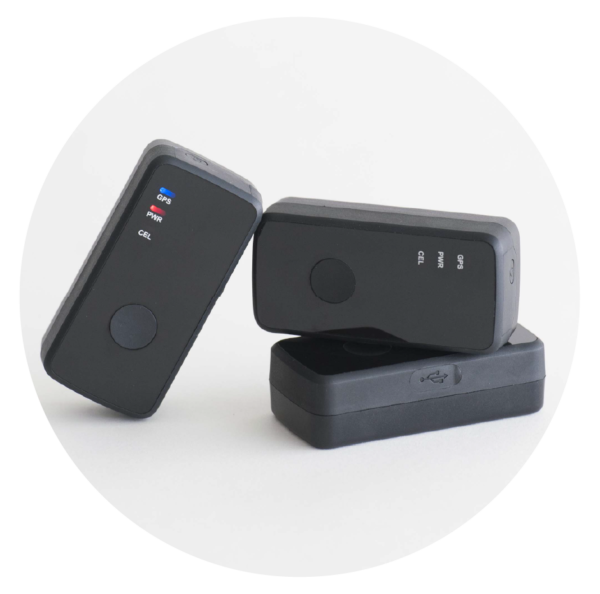
Fleet GPS tracking systems provide the location data and vehicle metrics needed for various compliance requirements. These systems automatically record vehicle positions, which is essential for HOS compliance. They track routes, detect unauthorized vehicle use, and provide documentation to support compliance audits.
Modern telematics platforms integrate GPS data with information from vehicle sensors to create a detailed record of fleet operations. This integration allows you to monitor vehicle health, schedule preventive maintenance, track inspection compliance, and identify when vehicles need service before a breakdown occurs. Maintaining detailed maintenance logs through your telematics system builds the documentation trail that DOT inspectors and auditors expect to see.
Multi-Camera Fleet Systems
While forward-facing dash cams capture road incidents, multi-camera systems provide complete visibility around your vehicles. These systems typically include forward, driver-facing, side, and rear cameras that work together to document all aspects of vehicle operation. The 360-degree coverage is invaluable for investigating incidents, training drivers, and defending against false claims.
Driver-facing cameras specifically address compliance with driver behavior requirements. When used transparently with proper driver consent, these cameras document whether drivers are wearing seatbelts, using mobile devices inappropriately, eating while driving, or displaying other behaviors that violate company policies or federal regulations. Research shows that drivers become more supportive of these cameras when they understand that footage can prove their innocence in disputed incidents.
The Compliance Technology Gap
While technology offers clear compliance advantages, adoption rates reveal a troubling divide between large and small carriers. Industry data shows that 56 percent of fleets with more than 50 vehicles have adopted dash cams, compared to just 24 percent of fleets with one to four vehicles. This disparity creates a two-tiered industry where larger operators can more easily shield themselves from compliance risks, false claims, and regulatory penalties.
Several factors drive this adoption gap. Larger fleets often have dedicated safety teams who can research technologies, manage implementation, and train drivers. Their purchasing power helps them secure volume discounts on hardware and service contracts, and their access to capital makes it easier to invest in systems that may take months or years to deliver a return through lower insurance premiums and fewer violations.
Smaller operators face a very different reality. Every dollar spent on technology directly affects profitability and and employees often wear multiple hats, leaving little time to research, deploy, or manage new systems. Without dedicated IT support, concerns about technical complexity can slow adoption. Yet these are exactly the operators who stand to benefit most; the ones who need technology to level the competitive playing field.
When larger fleets use AI dash cams to exonerate their drivers after an incident, they avoid FMCSA violations and maintain stronger safety ratings. Smaller operators without that same capability may face penalties for crashes that weren’t their fault simply because they can’t provide video evidence to back up their drivers’ accounts. Over time, this gap widens, which creates a cycle where technology adoption differences lead to safety rating disparities, higher insurance costs, fewer contract opportunities, and growing pressure on smaller carriers’ survival in an increasingly competitive market.
Recent Regulatory Changes Affecting Fleet Operations
English Proficiency Requirements
In April 2025, the Trump administration issued an executive order requiring commercial truck drivers to pass English proficiency tests or face out-of-service orders. While the measure aims to improve communication and roadway safety, it also deepens workforce challenges in an industry already struggling to recruit and retain qualified drivers. For fleets that employ a high percentage of non-native English speakers, the rule introduces both compliance obligations and operational strain.
The regulation reinforces the need for accurate driver qualification files and ongoing compliance monitoring. Fleet managers must verify that every driver meets the new proficiency standard and maintain supporting documentation for DOT inspections. Failing to keep these records current can lead to out-of-service orders that leave you short-handed and potentially unable to meet customer commitments.
The Big Beautiful Bill Equipment Deductions
On a more positive note, July 2024’s “Big Beautiful Bill” included provisions that make new truck purchases more affordable through enhanced equipment deduction allowances. These tax incentives lower the effective cost of acquiring modern, compliant vehicles equipped with the latest safety and emissions technology. The legislation also eased estate tax burdens for family-owned trucking companies, making it easier to pass businesses to the next generation without triggering prohibitive tax liabilities.
For fleets considering technology upgrades, these deductions can meaningfully improve ROI calculations. When evaluating whether to purchase vehicles equipped with advanced camera systems, telematics, and other safety technology, the enhanced deductions make these investments more financially compelling.
Crash Preventability Determination Program Expansion
FMCSA’s recent expansion of the Crash Preventability Determination Program represents another win for technology-enabled fleets. Carriers can now submit dash cam footage to request that non-preventable crashes be removed from their safety records, which is a change that directly rewards fleets using video evidence to verify fault.
Previously, all crashes appeared on a carrier’s FMCSA record regardless of who caused them, which could unfairly impact CSA scores. Now, with proper video evidence, fleets can appeal these reports and have non-preventable crashes excluded from CSA calculations. This capability is particularly valuable given the prevalence of staged accident fraud targeting commercial trucks.
Building a Compliance-First Culture
Technology alone cannot ensure compliance. The most effective fleet safety programs combine modern tools with a culture that prioritizes regulatory adherence and continuous improvement. This means establishing clear policies, providing thorough training, conducting regular audits, and taking corrective action when issues emerge.
Driver Training and Coaching
Modern safety systems generate vast amounts of data about driver behavior. This data is most valuable when you use it to coach drivers toward safer practices. Rather than simply punishing violations, effective programs identify specific behaviors that need improvement and work with drivers to develop better habits.
When drivers understand that cameras exist to protect them rather than catch them making mistakes, acceptance increases, and behavior improves. The key is transparency about camera usage, clear policies about footage review, and a focus on using data to improve safety rather than simply discipline drivers.
Preventive Maintenance Programs
Vehicle maintenance represents another critical compliance area. FMCSA requires carriers to systematically inspect, repair, and maintain all commercial vehicles under their control. These requirements exist because mechanical failures cause crashes and breakdowns that endanger drivers and other road users.
Technology can streamline maintenance compliance by automating inspection schedules, tracking service history, and alerting managers when vehicles require attention. Modern telematics systems monitor vehicle health through connections to onboard diagnostic systems, identifying potential problems before they cause breakdowns or violations. By addressing maintenance proactively, you reduce the risk of out-of-service orders during roadside inspections.
Safety Performance Monitoring
Regular monitoring of your safety performance metrics allows you to identify trends before they become serious problems. FMCSA provides carriers with access to their SMS (Safety Measurement System) data through the DataQs system. By reviewing this data monthly, you can track your performance across the seven BASIC categories (Unsafe Driving, Hours of Service Compliance, Driver Fitness, Controlled Substances/Alcohol, Vehicle Maintenance, Hazardous Materials Compliance, and Crash Indicator).
When you notice performance declining in any category, you can take targeted action to address the underlying issues. This might mean additional driver training, enhanced maintenance inspections, or changes to operational policies. The goal is to identify and correct problems before they trigger FMCSA interventions.
TRUSTED BY INDUSTRY LEADERS


The Future of Fleet Compliance
Regulatory trends suggest that compliance requirements will continue to tighten rather than ease. Environmental standards are becoming stricter as states and the federal government push to reduce emissions from commercial vehicles. Safety requirements are expanding as new technologies make additional capabilities possible. States are implementing their own requirements that create a patchwork of varying rules that interstate carriers must navigate.
At the same time, enforcement capabilities are improving. Roadside inspection technology is becoming more sophisticated, allowing inspectors to identify violations more quickly and thoroughly. Electronic data sharing between agencies means that violations in one state affect your record nationally. The integration of multiple data sources gives regulators a more complete picture of fleet operations than ever before.
Taken together, these developments signal an environment where compliance is more essential than ever to long-term success. Carriers with poor safety records will face increasing difficulty securing adequate insurance coverage at reasonable rates. Shippers will continue demanding higher safety standards from their carriers. The competitive advantage will go to operators who invest in compliance systems that prevent violations rather than simply react to enforcement actions after problems occur.
Technology will play an increasingly central role in meeting these challenges. Fleet safety solutions will continue to evolve, incorporating more sophisticated AI capabilities that identify risks earlier and provide more targeted interventions. Integration between different systems will improve, creating more seamless workflows that reduce the administrative burden of compliance management.
Making the Business Case for Compliance Technology
When evaluating compliance technology investments, fleet managers should consider the total cost of ownership against the comprehensive benefits these systems deliver. While upfront hardware and subscription costs are immediate and visible, the value created extends across multiple areas of your operation.
Insurance savings often provide the most direct ROI. Premium reductions of five to 20 percent can pay for dash cam systems within months. Some insurers now offer even steeper discounts or require cameras as a coverage condition.
Violation prevention delivers value by keeping you operating. Every avoided FMCSA violation protects your safety rating and prevents penalties. When you consider that serious violations can lead to operating authority suspension, the value of prevention becomes clear.
Crash cost reduction represents potentially enormous savings. The average commercial vehicle crash costs tens of thousands of dollars when you account for vehicle damage, medical expenses, legal fees, and lost time. Severe crashes can cost millions. Technologies that prevent just one serious crash can pay for themselves many times over.
Operational efficiency improvements from GPS tracking and telematics often surprise fleet managers with how much value they create. Better route planning reduces fuel consumption and increases daily stops. Reduced idle time lowers fuel costs. Improved asset utilization means accomplishing more with fewer vehicles.
False claim protection has become increasingly valuable as staged accident fraud targeting commercial trucks has grown more sophisticated. Dash cam footage that exonerates your driver in a fraudulent claim can save hundreds of thousands in potential settlement costs and prevent your insurance premiums from increasing.

 Mike Stahnten
Trustindex verifies that the original source of the review is Google.
I have been a customer of Vestige for over 5 years. Megan and Corey do an awesome job and get us whatever we requested extremely quickly whether it’s an emergency that we need video of or a simple report we want! Their system has saved us from several Faldo claims and the software has never let us down! Jake CrainVery effective and reliable resource in the field. Product is durable and does everything you’ll need from A-Z, remember you get what you pay for so why not get the best you can. Thank you Vestige for your support and business in this demanding field!
 Drake SawmillOne of our trucks lost a drive line and no parts houses had one in stock. We were able to find it by watching the video from the side camera to see where it landed. Excellent product, and customer service at Vestige is excellent! Much better than other dash cam companies we have used in the past. Highly recommend.
 Dan De La TorreGreat products and Service... we were hesitant about getting the Dashcam Service but within a few months it basically paid for itself due to an accident we had that could have been considered our fault but thanks to the camera I was actually able to share it with the Trooper that worked the accident. Not sure how many different set ups they offer but we are very happy with the basicly Live DashCam service we got that also has GPS integrated . Its great having it all in one App.
Taking Action on Compliance Technology
For fleet managers ready to address compliance through technology adoption, a systematic approach increases the likelihood of successful implementation:
Start with your biggest pain points. If HOS violations are a recurring problem, prioritize ELD selection and driver training. If accidents and false claims create financial stress, focus on comprehensive camera systems. By addressing your most significant challenges first, you create visible wins that build momentum for broader technology adoption.
Involve your drivers early. Driver acceptance is critical for camera systems and other monitoring technologies. Explain how these tools protect drivers from false accusations, provide coaching opportunities instead of punishment, and create documentation that proves their professionalism. When drivers understand that technology works for them rather than against them, resistance decreases.
Choose integrated systems. Technology that works together delivers more value than isolated point solutions. Modern platforms combine cameras, GPS, ELDs, and maintenance tracking in unified interfaces that reduce administrative work. Look for vendors who offer complete ecosystems rather than requiring you to manage multiple separate systems.
Plan for change management. Technology implementation is as much about people and processes as it is about hardware and software. Develop clear policies for how you will use new capabilities. Train everyone who will interact with the systems. Establish procedures for reviewing data, addressing violations, and using information for continuous improvement.
Measure results. Track key metrics before and after implementation to quantify the value your technology delivers. Monitor violation rates, crash frequency, insurance premiums, fuel efficiency, and driver satisfaction. These measurements help you understand ROI, identify opportunities for optimization, and make the case for additional investments.
Partnering for Compliance Success
The compliance challenges facing modern fleet operations are complex and constantly evolving. Success requires more than just technology; it demands partnership with vendors who understand the regulatory landscape and can provide ongoing support as requirements evolve.
At Vestige, we help fleets navigate these challenges through integrated safety and compliance solutions. Our commercial fleet camera systems combine AI-powered monitoring, comprehensive visibility, and cloud-based management tools designed specifically for the needs of transportation companies. We understand that compliance is not just about checking boxes; it’s about protecting your drivers, your business, and your ability to operate. To explore how Vestige can strengthen your compliance program, request a quote today.
Whether you operate a small regional fleet or a national transportation company, compliance technology has become essential rather than optional. The growing regulatory pressures documented in industry research demonstrate that this trend will only intensify. The question is not whether to invest in compliance technology but how quickly you can implement systems that protect your operation from the serious consequences of violations. For more information or to discuss your fleet’s specific needs, contact Vestige to get started.
Trusted Safety Partners