
The Role of Employee Body Cameras for Workplace Safety
TRUSTED BY INDUSTRY LEADERS



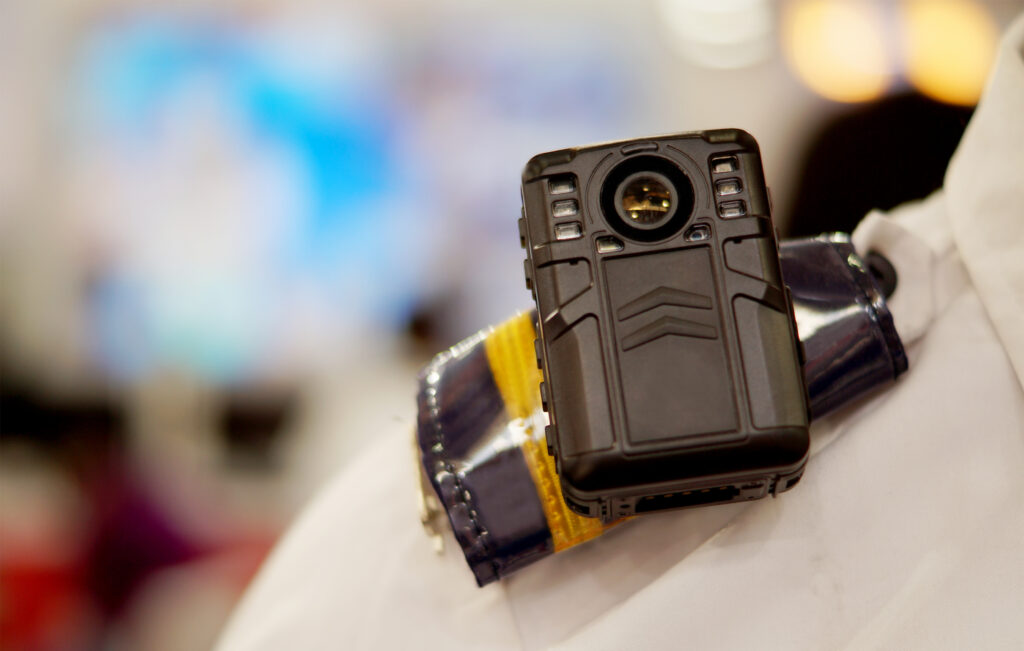
We’re more aware than ever of the risks of frontline work, yet workplace security saw a steady rise in reported incidents between 2018 and 2019, showing there’s still more work to be done. To ensure the safety of frontliners, more companies are investing in employee body cameras to help capture footage and documentation.
Keep reading to explore how employee body cameras and related security technologies are reshaping the workplace.
Introduction to Workplace Security Technologies
The landscape of workplace security has evolved dramatically over the past decade. Organizations have tackled unprecedented challenges in protecting their workforce while staying efficient by integrating technology-driven security solutions into their operations.
Traditional security measures like standard CCTV systems are no longer sufficient to address contemporary workplace safety challenges.
Newer solutions, such as body-worn cameras, fleet management systems, and integrated monitoring technologies, have proven to be a more suitable method to handle modern problems beyond the rise in incident reports.
- Ever-changing regulatory requirements
- Increased focus on employee accountability
- A growing need for faster turnaround time for emergencies
Organizations implementing employee body cameras report significant improvements in documentation capabilities and transparency across each of these areas.
The Importance of Employee Surveillance Cameras
Employee surveillance cameras serve as a cornerstone of modern workplace security infrastructure. These systems provide comprehensive coverage of workplace activities while acting as a powerful deterrent against misconduct and safety violations.
When combined with employee body cameras, organizations create a multi-layered security approach that addresses various workplace scenarios.
Recent industry data demonstrates the significant impact of surveillance technology implementation.
Organizations that have deployed comprehensive surveillance systems report impressive results: studies show a 50% reduction in workplace incidents and a remarkable 65% decrease in liability claims. These statistics highlight the tangible benefits of investing in employee body cameras and monitoring technology.
Beyond these quantitative improvements, surveillance systems also contribute to a 40% improvement in employee compliance with safety protocols, enhanced evidence collection for incident investigations, and improved response times to security events.
Multi-camera systems provide comprehensive coverage that complements employee body cameras for complete workplace monitoring.
When implementing surveillance systems and employee body cameras, businesses should consider strategic positioning for maximum visibility, compliance with privacy regulations, and integration with existing security infrastructure.
Technical specifications, including resolution quality, storage capacity, network requirements, and weather resistance for outdoor cameras, are crucial factors in system effectiveness.
Your Team’s Safety—Captured and Secured with Vestige
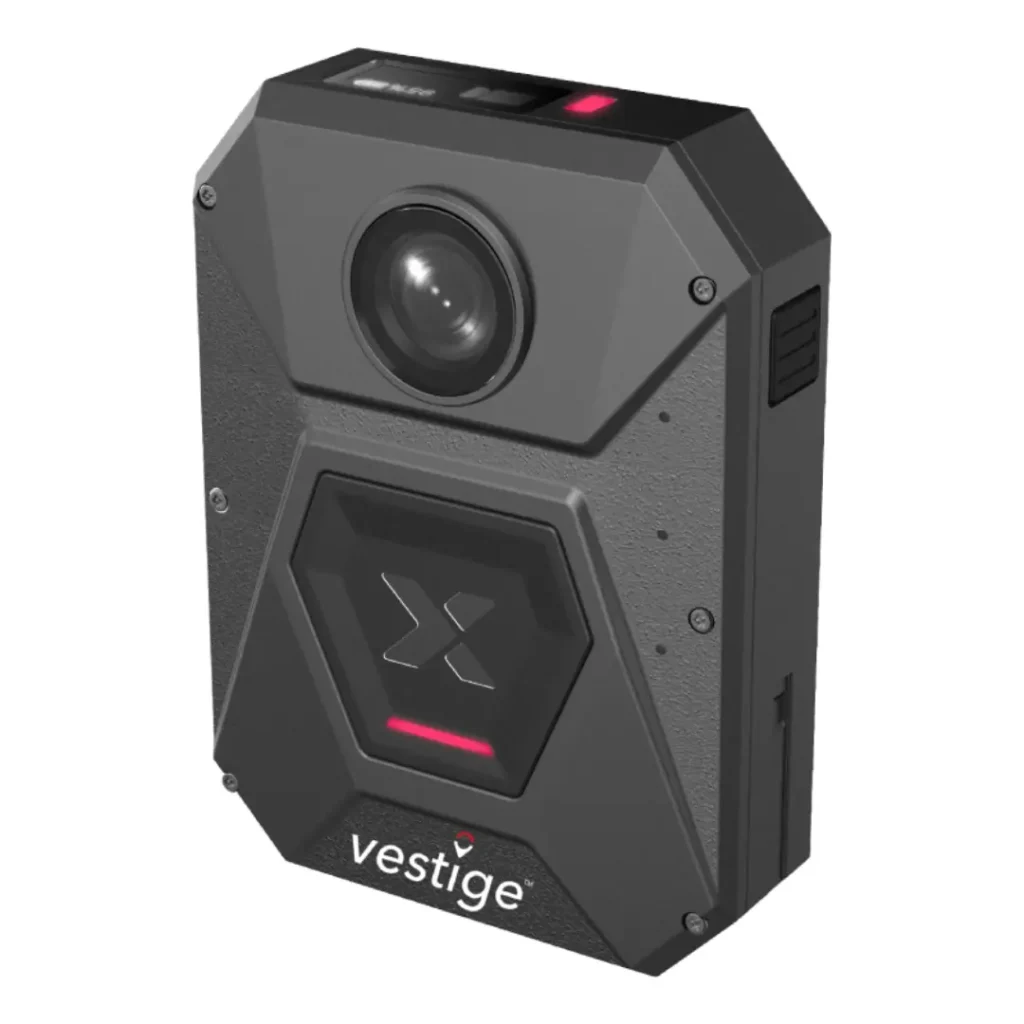
Give your employees peace of mind and accountability with our discreet, easy-to-use body cameras. VestigeView’s body-worn solution ensures your team is protected, monitored, and compliant—wherever the job takes them.
- Record and store on-the-job interactions securely
- Track employee movements and verify site visits
- Promote transparency and reduce liability
Understanding Workplace Body Cameras
Body-worn cameras represent a significant advancement in personal security technology. These devices, pioneered by law enforcement, have found valuable applications across various industries, from retail to healthcare.
Employee body cameras enhance accountability, improve incident documentation, provide real-time situation awareness, and de-escalate confrontational situations while protecting against false claims.
Employee body cameras offer advanced features including HD video recording, extended battery life, secure data encryption, cloud storage integration, and GPS location tracking. These capabilities make employee body cameras invaluable tools for organizations seeking to improve workplace safety and accountability.
In 2023, the National Retail Federation reported that 35% of major retail chains in the U.S. were looking to invest in employee body cameras.
One chain in particular did implement body-worn cameras for their unarmed loss prevention team as not only a method to prevent shoplifting but also to assist in de-escalation in a time where shoplifters are becoming more violent.
Applying body-worn cameras to retail workers may be a divisive topic, which is why it’s critical for any business—retail or not—to weigh their options carefully on what is the best decision for the nature of their work. Workplace body cameras are just one of many safety solutions out there.
Vestige has a wide selection of employee safety monitoring tools available to fit your needs.
Employee Monitoring Devices: Tools for Safety and Accountability
Beyond cameras, modern workplace security encompasses a range of monitoring technologies designed to enhance safety and accountability.
Personal safety wearables have one-press panic buttons for emergency situations, location tracking capabilities, and two-way communication features that complement employee body cameras.
Fleet management systems represent another crucial component of comprehensive workplace security. AI-powered dash cameras provide driver behavior monitoring and real-time vehicle tracking, while employee body cameras document activities outside the vehicle. This combination creates a complete monitoring solution for mobile workforces.
Equipment tracking solutions utilizing GPS-enabled asset monitoring, usage analytics, and maintenance scheduling work alongside employee body cameras to provide comprehensive workplace oversight. Tool and equipment tracking ensures valuable assets remain secure while employee body cameras document their proper usage.
Healthcare organizations have found particular value in combining employee body cameras with specialized monitoring devices. Healthcare safety solutions address unique challenges in medical environments where employee body cameras must balance security needs with patient privacy requirements.
Start Protecting Your Remote Employees Today
Are you ready to meet the security demands of modern organizations? An ESD is a cost-effective way to achieve your goals.
Many people think it’s a complicated process, but it doesn’t have to be. With Vestige on your side, you can provide guards, bouncers, and event staff with a compact, water-resistant, advanced safety device that they can comfortably wear 24/7.
There’s no other device quite like it on the market. It’s the ideal step to achieving your safety goals for personnel in your company. Request a demo now.

Industry-Specific Applications
Different industries have unique requirements for employee body cameras and monitoring technologies.
The lumber and logging industry faces particular safety challenges where employee body cameras provide crucial documentation of safety protocols and incident response. Lumber and logging safety solutions integrate employee body cameras with specialized monitoring equipment designed for harsh outdoor environments.
Transportation services have embraced employee body cameras as part of comprehensive safety programs. Paratransit camera solutions integrate employee body cameras with vehicle-mounted systems to enhance passenger safety and ensure driver accountability. This integrated approach demonstrates how employee body cameras enhance existing safety measures.
The towing and repossession industry has seen significant benefits from employee body cameras, particularly in documenting interactions with vehicle owners and ensuring proper procedures are followed. Towing and repo camera systems combine employee body cameras with vehicle-mounted equipment to provide comprehensive coverage of potentially confrontational situations.
Marine and boat tracking operations utilize employee body cameras in conjunction with specialized GPS tracking systems. Boat tracking and marine GPS solutions ensure that employee body cameras remain functional in challenging marine environments while providing reliable documentation of activities.
Corporate Body Camera Policy and Regulations
As more organizations adopt body cameras for frontline employees such as delivery drivers, on-site security, and customer-facing retail or banking staff, it’s essential to establish clear, compliant policies.
These policies must balance workplace safety, accountability, and privacy while aligning with relevant labor laws and data protection regulations.
A well-structured corporate body camera policy reinforces professionalism, protects employees from false claims, and can serve as a powerful tool in resolving disputes or incidents.
However, without proper guidelines, implementation can raise legal and ethical concerns.
According to FMCSA safety management guidelines and best practices for private-sector surveillance, a strong corporate policy should include:
- Usage Guidelines: Define when cameras must be activated—such as during deliveries, customer disputes, or security incidents—and clarify situations where recording is prohibited (e.g., restrooms, private conversations, or breaks).
- Data Management Protocols: Establish who has access to video footage, how long it will be retained, and how it will be stored securely to prevent unauthorized use or data breaches.
- Privacy Protection Measures: Include procedures for notifying customers and employees about recording, complying with state-specific consent laws, and redacting sensitive footage when appropriate.
- Training Requirements: Employees should receive training on how to use body cameras properly, when to record, and what to do if a technical or legal issue arises.
- Incident Reporting Procedures: Create a clear chain of command for reporting incidents, reviewing footage, and involving HR or legal teams as needed.
Regulatory considerations may include:
- OSHA compliance for workplace safety documentation
- State privacy and consent laws, especially in two-party consent states
- Data protection requirements under laws like the CCPA or GDPR
- Union or employee agreement compliance, if relevant
Corporate body camera policies must be designed to support transparency and protection without compromising employee morale or customer trust. A well-thought-out policy can improve safety, reduce liability, and foster a culture of accountability across your workforce.
Technology Integration with Employee Body Cameras
Employee body cameras work most effectively when integrated with comprehensive fleet management systems.
Fleet dashcam solutions, for example, provide vehicle-based monitoring that complements employee body cameras for complete coverage of mobile operations. This integrated approach ensures that activities inside and outside vehicles are properly documented.
The best dash cameras for fleet vehicles provide high-quality video recording that matches the capabilities of employee body cameras for comprehensive documentation, ensuring consistent data collection and storage.
See how SalSon Logistics turned a $9 million insurance problem into a strategic advantage
After spending nearly $9 million in claims in 2017—some from staged accidents—SalSon implemented Vestige’s AI‐powered fleet cameras and real‑time command center. The result? Accident payouts dropped from six‑figure annual totals to under $200,000 by 2024.
Better yet, drivers are protected, insurers are competing for their business, and a stronger safety culture now fuels their profitability.
Advanced Monitoring and Asset Protection
Employee body cameras play a growing role in modern asset protection strategies by enhancing visibility into day-to-day operations. When paired with technologies like GPS tracking, geofencing, and ping-on-demand monitoring, body cameras provide real-time insights that help safeguard both physical assets and operational integrity.
For organizations managing high-value equipment or mobile inventory—such as delivery services, property management teams, or security personnel—integrated camera systems offer dual benefits: accountability for employee interactions and visual documentation of asset handling. Video footage can help resolve disputes, deter theft, and confirm the condition of property or packages at key points in the chain of custody.
In real estate and field service environments, body cameras also help verify access to properties, monitor interactions during scheduled appointments, and document any damages or safety hazards encountered on-site. Combined with asset tracking tools, they create a comprehensive record that supports insurance claims, reduces liability, and helps enforce company protocols.
Body cameras are also a critical part of protecting lone workers, employees who operate independently in remote, high-risk, or unsupervised environments. When integrated with panic buttons or real-time location monitoring, body cameras offer an added layer of safety by capturing video during emergencies and providing essential context to support rapid response and investigation.
Employee body cameras serve as a mobile extension of an organization’s asset protection strategy, contributing to smarter and more accountable operations by providing data that is both visual and verifiable.
Take Action Now
Don’t wait for an incident to occur. The question isn’t whether to implement employee body cameras, but rather how quickly you can start doing so, given the ongoing rise in workplace security incidents.
Take proactive steps today to protect your workforce and organization with employee body cameras and monitoring technology that delivers measurable results.
Contact Vestige today to discover how our comprehensive security technologies can protect your employees and assets while ensuring regulatory compliance.
Our expert team will help you select and implement the right combination of employee body cameras and security solutions tailored to your specific needs.
Request a demo to see how employee body cameras can transform your workplace security program.
Visit our resources section to learn more about implementing employee body cameras and comprehensive security solutions, or explore our fleet camera solutions to understand how employee body cameras integrate with vehicle-based monitoring systems for complete workplace coverage.
Frequently Asked Questions
Employee body cameras provide documentation of incidents, enhance accountability, improve safety protocols, and protect both employees and organizations from false claims. Recent data shows employee body cameras can reduce confrontational incidents by up to 45% while significantly decreasing liability exposure.
These devices offer real-time tracking, emergency response capabilities, and comprehensive documentation of workplace activities, contributing to a safer work environment. Employee body cameras have been shown to reduce workplace incidents by as much as 50% when properly implemented alongside other monitoring technologies.
Policies should address usage guidelines for employee body cameras, privacy protection, data management, training requirements, and incident reporting procedures. Regulatory experts recommend including specific protocols for data retention, access controls, and employee consent procedures when implementing employee body cameras.
Yes, organizations must comply with privacy laws, workplace regulations, and industry-specific requirements while implementing surveillance systems and employee body cameras. It’s essential to balance security needs with privacy rights and ensure all monitoring activities comply with applicable regulations.
Companies should establish clear policies regarding the use of employee body cameras, obtain appropriate consent from employees, limit monitoring to only necessary areas, and implement secure practices for managing data. Transparency about monitoring activities and their purposes help maintain trust while ensuring compliance with employee body camera programs.
Industries with high-risk environments, customer interaction, or regulatory requirements benefit significantly from employee body cameras. These include healthcare, transportation, security, retail, and field services, where employee body cameras provide crucial documentation and accountability.