
From Self Defense to Everyday Safety: Choosing the Right Personal Body Camera
TRUSTED BY INDUSTRY LEADERS




Individual security solutions have always been crucial, but in today’s fast-paced world, they are more important than ever. In industrial sectors this can mean fleet solutions such as GPS monitoring and vehicle cameras, security systems, and personal protective equipment.
While all of these aspects of personal safety have evolved over generations of industrial growth, a newer item in the field of personal safety is the personal body camera.
Wearable recording devices have emerged as a crucial tool for documentation and deterrence, providing peace of mind for civilians and professionals alike.
Many people might exclusively associate these devices with law enforcement, where their widespread deployment has been associated with fewer incidents of police using deadly force.
This is due to the fact that these wearable cameras often act as great deterrents and tools for accountability. Their applications, however, are far-reaching, and extend beyond what might be expected.
These devices offer real-time protection while creating permanent records of important interactions and events, when accountability and truth are of the utmost importance.
Understanding the Importance of Personal Recording Devices
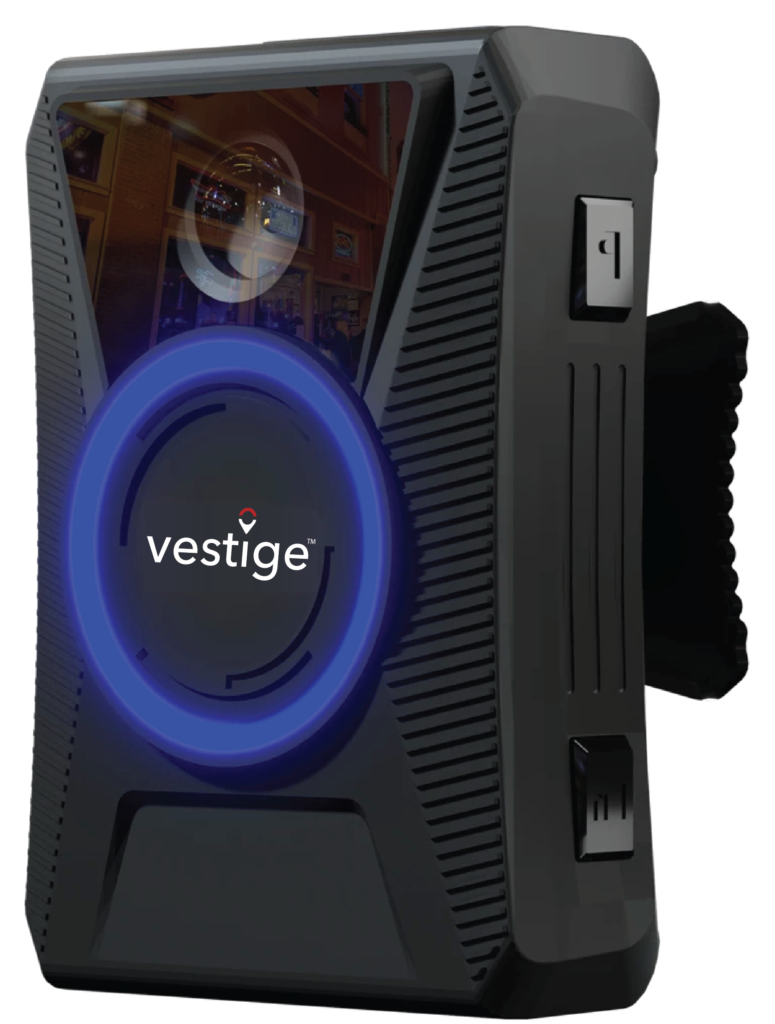
When it comes to advancements in personal safety technology, body camera rank toward the top of the list where the most important inventions dwell.
The advent of body cameras means that, for the first time in history, any incident involving the wearer can be recorded and later analyzed by to see what exactly happened, and when.
Naturally, this means that these cameras serve a sort of dual functionality, acting as both a device for documentation as well as a deterrent against any situational escalation.
With these cameras, the actions of any wearer and their interactions with other people can be recorded for later analysis by investigators, employers, clients, and anyone else seeking to learn the truth about what happened in any given incident.
These wearable cameras represent a significant advancement in individual safety technology, offering both documentation capabilities and deterrent effects against potential threats.
These devices first came to prominence in the public eye due to their use by law enforcement.
As the last decade or so has seen immense public outcry for improved accountability and monitoring of police activities, so has the use of body cameras seen immense growth.
Police departments, first responders, and other such organizations or employers who have employees regularly involved in dangerous situations began to implement body cameras as a way to improve accountability.
This accountability not only improves standing in the public eye, but also improves the ability of investigators to analyze what happened—and when—after the fact, especially if an incident results in any injury, property damage, or other points of dispute.
Over the last decade or so, mounting pressure and calls for more police oversight have led to many departments implementing body cameras as a tool for accountability. The growing public outcry, in fact, has led a majority of large police departments to deploy wearable cameras, with many, many others following suit.
Whereas in the past it was a matter of he-said-she-said to debate what happened in a given police incident, today it is as simple as reviewing the body camera footage to assess what occurred. –
The devices have evolved from their law enforcement origins to become accessible security tools for everyday citizens seeking to enhance their personal safety and create records of their interactions with the world.
As with many other safety technologies, the transition from professional-only equipment to consumer-accessible devices has made personal protection more achievable for ordinary individuals seeking to use the same tactics as the professionals they trust for advice and leadership.
The increasing need for personal security stems from various factors, including workplace incidents, public transportation safety concerns, and general urban safety challenges.
These devices serve as silent witnesses, capturing crucial evidence during unexpected encounters while simultaneously deterring potential aggressors who notice they’re being recorded.
Prevention and documentation purposes therefore both take center stage here, with this dual functionality managing to prioritize both.
When situations are escalating, body cameras are oftentimes one of the most effective deterrents. They can act as conflict prevention and deescalation devices by the simple fact that all individuals involved in the situation know that there will be an objective, factual recording of the proceedings that can be later analyzed.
Simply having a visible recording device is often enough to de-escalate tense situations, making wearable cameras powerful tools for conflict prevention.
This psychological impact works alongside their documentation capabilities to provide comprehensive personal protection.
When implementing these devices for self-defense, users must consider several legal aspects.
Audio recording and consent can be subject to some interesting regulations, so it’s vital to know your local rules before going out. In general, however, there is no reasonable expectation of privacy in nearly all public spaces, and video recording is therefore of no concern.
QIt’s essential to understand local regulations about surveillance and privacy laws before deploying any recording device.
Notably, some states require driver consent before using inward-facing cameras that collect biometric or audio data, highlighting the importance of understanding local regulations when deploying these devices for safety purposes.
The effectiveness of wearable cameras in preventing confrontations has been documented, with visible recording devices providing deterrent effects against potential aggressors.
This preventive aspect makes them particularly valuable for professionals working in high-risk environments or individuals concerned about personal safety.
Professional body-worn camera systems provide enhanced features and reliability for users requiring comprehensive security solutions.
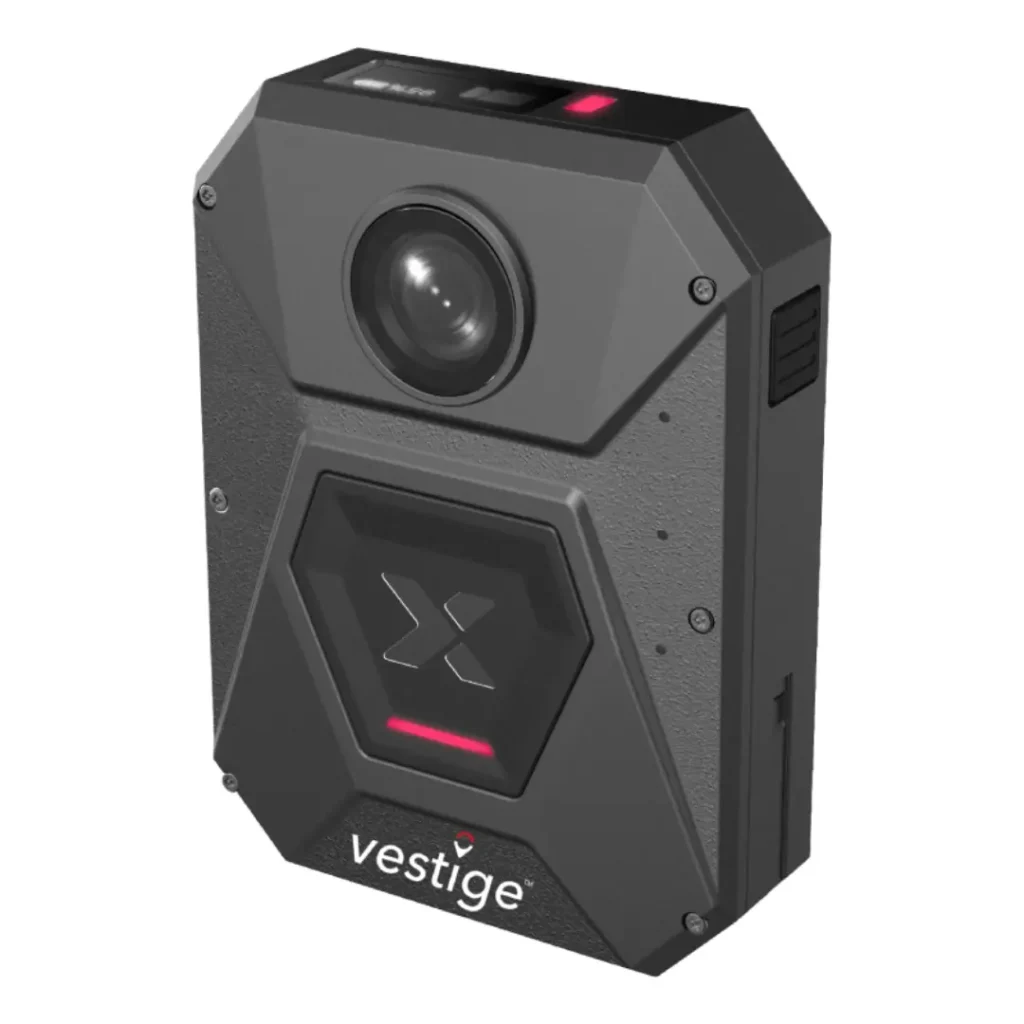
Your Team’s Safety—Captured and Secured with Vestige
Give your employees peace of mind and accountability with our discreet, easy-to-use body cameras. VestigeView’s body-worn solution ensures your team is protected, monitored, and compliant—wherever the job takes them.
- Record and store on-the-job interactions securely
- Track employee movements and verify site visits
- Promote transparency and reduce liability
Top Features to Look for in Personal Body Cameras
When selecting wearable recording devices, certain features prove essential for optimal performance and reliability.
Certain features may prove incredibly useful, depending on operating conditions. Some features, however, are indispensable, such as full HD recording capabilities, a wide-angle lens, and sufficient battery life.
The usefulness of these features is suggested by the countless hours of industrial applications and professional use cases that have shown time and time again what works and what doesn’t.
These features ensure the accuracy and usefulness of all your footage and data, both before and after the event.
Essential technical specifications include:
- Minimum 1080p resolution for clear footage that captures important details
- Wide-angle lens (120 degrees or greater) to record comprehensive scenes
- Night vision capabilities for low-light documentation
- Adequate storage capacity (32GB minimum) for extended recording sessions
- Minimum 8-hour continuous recording battery life
- Quick-charge functionality for rapid deployment
- Battery level indicators to prevent unexpected shutdowns
- Water-resistant design (IPX4 or better) for weather protection
For civilian users, simplicity in operation becomes paramount.
These devices should feature one-touch recording, automatic footage backup, and straightforward file transfer capabilities to ensure the device serves its purpose without requiring extensive technical knowledge.
These user-friendly features make wearable cameras accessible to individuals without technical backgrounds.
Weather resistance and durability factors play crucial roles in device selection.
Truly quality camera systems will be able to withstand a wide variety of environments, including wet conditions, extreme heat and cold, and abrasive conditions where the system may get bumped, dropped, hit, or otherwise subjected to physical harm.
Maintaining reliable performance across all environments is crucial.
These robust features ensure reliable operation in various conditions, enhancing personal safety across different environments and situations.
Body-worn cameras for lone workers demonstrate how these devices provide essential protection in isolated working conditions.
Civilian Body Cams: Best Choices for Everyday Safety
Civilian models differ from law enforcement versions in several key aspects, primarily focusing on ease of use and discretion.
The best civilian options balance functionality with affordability, offering essential features without overwhelming complexity.
These devices prioritize user-friendly operation while maintaining professional recording quality.
Typically, models designed and sold for civilian use will have a focus on general personal safety. These cameras provide reliable forward-facing footage, even while the wearer is walking or running.
Popular categories for civilian use include compact front-facing models ideal for general personal safety, providing easy operation while walking or running with clear forward-facing recording capabilities.
In many cases, the wearers of these cameras will be in motion, and situations that require later analysis may be hectic. This can result in footage that is shaky, blurry, or otherwise difficult to comprehend.
Clip-on designs suit workplace documentation needs, offering discrete positioning options with stable recording during movement.
Multi-purpose units combine camera functionality with emergency alert systems, GPS tracking capabilities, and cloud storage integration.
Features like live streaming capabilities and automatic cloud storage will make for a costlier camera but can prove incredibly useful in a number of situations.
Live streaming, for example, allows for a dispatcher or other manager to monitor the wearer’s status and situation in real time and respond accordingly.
This can mean the difference between life and death in many situations that first responders, isolated workers, and other body camera wearers find themselves in regularly.
Personal safety wearable panic button solutions can complement camera systems by providing immediate emergency response capabilities when dangerous situations arise.
The integration with other safety technologies creates comprehensive protection systems. Modern devices can connect with smartphone apps, enabling real-time monitoring and automatic emergency notifications.
These connected features transform simple recording devices into complete safety platforms.
Start Protecting Your Remote Employees Today
Are you ready to meet the security demands of modern organizations? An ESD is a cost-effective way to achieve your goals.
Many people think it’s a complicated process, but it doesn’t have to be. With Vestige on your side, you can provide guards, bouncers, and event staff with a compact, water-resistant, advanced safety device that they can comfortably wear 24/7.
There’s no other device quite like it on the market. It’s the ideal step to achieving your safety goals for personnel in your company. Request a demo now.

Professional Applications and Industry-Specific Solutions
The true versatility of body cameras is often under appreciated by the public and by larger industries.
These devices serve various professional applications beyond individual security needs.
Real estate professionals benefit significantly from wearable camera technology during property showings and client meetings, providing both safety documentation and professional interaction records.
Healthcare workers increasingly adopt these devices for patient interaction documentation and workplace safety.
Healthcare safety solutions integrate cameras with comprehensive security systems to protect medical staff during patient care activities.
These systems prove particularly valuable in emergency departments and psychiatric care facilities.
Transportation and logistics professionals rely on wearable cameras for incident documentation and customer interaction records.
Delivery personnel, rideshare drivers, and service technicians use these devices to maintain professional standards while protecting against false accusations or aggressive encounters.
Educational professionals, including teachers and school administrators, utilize these devices to document challenging student interactions and maintain classroom safety.
These devices provide objective records of incidents while supporting professional development and legal protection efforts.
Lightweight and Compact Wearable Security Devices
The trend toward miniaturization has revolutionized personal security devices. Modern systems can weigh as little as 2-3 ounces while delivering professional-grade recording capabilities.
This lightweight design proves essential for extended wear during daily activities without causing discomfort or fatigue.
Popular applications for compact devices include personal training sessions where fitness professionals document client interactions, real estate showings requiring safety documentation, delivery services needing customer interaction records, and solo outdoor activities where emergency documentation becomes crucial.
These diverse applications demonstrate the versatility of modern wearable cameras.
Wearable panic button solutions for employees integrate seamlessly with camera systems, providing comprehensive personal security.
These combined systems offer both documentation capabilities and immediate emergency response options, creating layered protection for users in various situations.
Battery optimization in compact devices focuses on power-efficient components and intelligent recording modes.
Advanced models feature motion-activated recording, scheduled operation modes, and low-power standby options to maximize operational time while minimizing device weight and size.
Advanced Features and Technology Integration
Modern devices incorporate advanced technologies that enhance their effectiveness and usability. GPS tracking capabilities allow users to document location information alongside video evidence, creating comprehensive incident records.
The integration of cloud storage allows for the automatic backup of footage, guaranteeing the security of crucial evidence even in the event of device damage or loss.
Artificial intelligence features include automatic scene detection, low-light enhancement, and motion-triggered recording.
These smart capabilities ensure optimal recording quality while conserving battery life and storage space. Voice-activated controls allow hands-free operation, particularly valuable during emergencies or high-stress situations.
Wireless connectivity features enable real-time streaming to smartphones or security centers, providing immediate access to live footage during critical situations.
This connectivity transforms passive recording devices into active security tools that can trigger immediate responses when needed.
Integration with existing security systems allows these devices to function as components within larger safety networks.
Multi-camera systems can incorporate personal devices alongside fixed cameras to create comprehensive surveillance networks for businesses and organizations.
See how SalSon Logistics turned a $9 million insurance problem into a strategic advantage
After spending nearly $9 million in claims in 2017—some from staged accidents—SalSon implemented Vestige’s AI‐powered fleet cameras and real‑time command center. The result? Accident payouts dropped from six‑figure annual totals to under $200,000 by 2024.
Better yet, drivers are protected, insurers are competing for their business, and a stronger safety culture now fuels their profitability.
Discreet Personal Surveillance Cameras for Enhanced Protection
Discreet surveillance options have become increasingly sophisticated, offering professional-grade recording in inconspicuous packages. These devices prove particularly valuable in situations requiring subtle documentation while maintaining personal safety.
The balance between concealment and functionality drives innovation in this category.
Key applications for discreet models include workplace harassment documentation, personal security during travel, professional interaction recording, and evidence collection for legal purposes.
These situations require reliable recording capabilities without drawing attention to the recording process.
When selecting discreet devices, users should consider concealment options that match their specific needs, recording activation methods that enable quick deployment, battery life in standby mode for extended monitoring periods, and wireless connectivity features for remote monitoring capabilities.
These factors ensure the device remains functional while maintaining its covert nature.
Lone worker safety devices often incorporate discreet recording capabilities alongside emergency communication features.
These integrated solutions provide comprehensive protection for individuals working in isolated or high-risk environments.
Legal Considerations and Best Practices
Understanding legal requirements varies significantly by jurisdiction and application.
Users must research local laws regarding video recording, audio capture, and privacy expectations before deploying these devices.
Workplace policies may also restrict or regulate the use of personal recording devices during business hours.
Best practices include informing relevant parties about recording when legally required, securing footage properly to maintain evidence integrity, regularly reviewing and organizing recorded content, and understanding data retention requirements for different situations.
These practices ensure effective use while maintaining legal compliance.
Privacy considerations extend beyond legal requirements to include ethical use.
Users should balance their safety needs with respect for others’ privacy rights, avoiding recording in private spaces without consent and using devices responsibly in social situations.
Future Trends and Emerging Technologies
The future includes enhanced AI capabilities, improved battery technology, and better integration with smart devices.
Emerging features like real-time threat detection, automatic emergency calling, and biometric authentication will make these devices more effective and user-friendly.
5G connectivity will enable higher-quality streaming and faster data transmission, allowing devices to provide real-time situational awareness to security personnel or emergency responders.
This connectivity advancement will transform personal safety from reactive to proactive protection.
Miniaturization trends continue advancing, with manufacturers developing even smaller devices without sacrificing functionality.
These improvements will make wearable security more accessible and comfortable for extended use across various applications and user groups.
Trusted Safety Partners

“These cameras let us separate truth from noise, If someone says the driver was rude, we don’t guess – we look,”

“It’s our last line of defense for our staff in the field, and we’re very focused on ensuring the team has them on them all the time wherever they go.”
Bre LaneProgram Administrator, Telecare, San Diego County Behavioral Health Mobile Crisis Response Team
“The job is inherently dangerous, so it was important to us to put as many of these tools like PERSA in place to keep our people safe,”
Mike StanthenOwner, Certified Auto Mall
"Having the camera has saved us millions of dollars in fraudulent insurance claims. We would not be in business without them."
Frequently Asked Questions About Personal Body Cameras
Personal models typically focus on ease of use and discretion, while law enforcement versions emphasize durability and evidence documentation features.
Consumer models prioritize user-friendly operation and affordability over specialized law enforcement requirements.
Generally, these devices are legal to use in public; however, specific regulations vary by state and locality. Always check local laws regarding video and audio recording.
Most jurisdictions permit recording in public spaces but may have restrictions on audio recording or private property.
Consider factors like video quality, battery life, ease of use, and durability. Ensure the device meets your specific needs for recording duration and environmental conditions.
Evaluate features like night vision, storage capacity, and connectivity options based on your intended use.
Focus on video quality, battery life, storage capacity, and ease of operation.
Additional features like GPS tracking and emergency alerts provide extra security benefits.
Yes, many manufacturers offer quality devices at various price points.
The market includes options for different budgets while maintaining essential recording capabilities and reliability standards.
For comprehensive personal security solutions combining wearable cameras with advanced safety features, contact our security experts today.
Our team will help you select the perfect combination of security tools tailored to your specific needs and circumstances, ensuring optimal protection and peace of mind.