
Hotel Staff Safety:
Complying with Panic Button Legislation in 2026
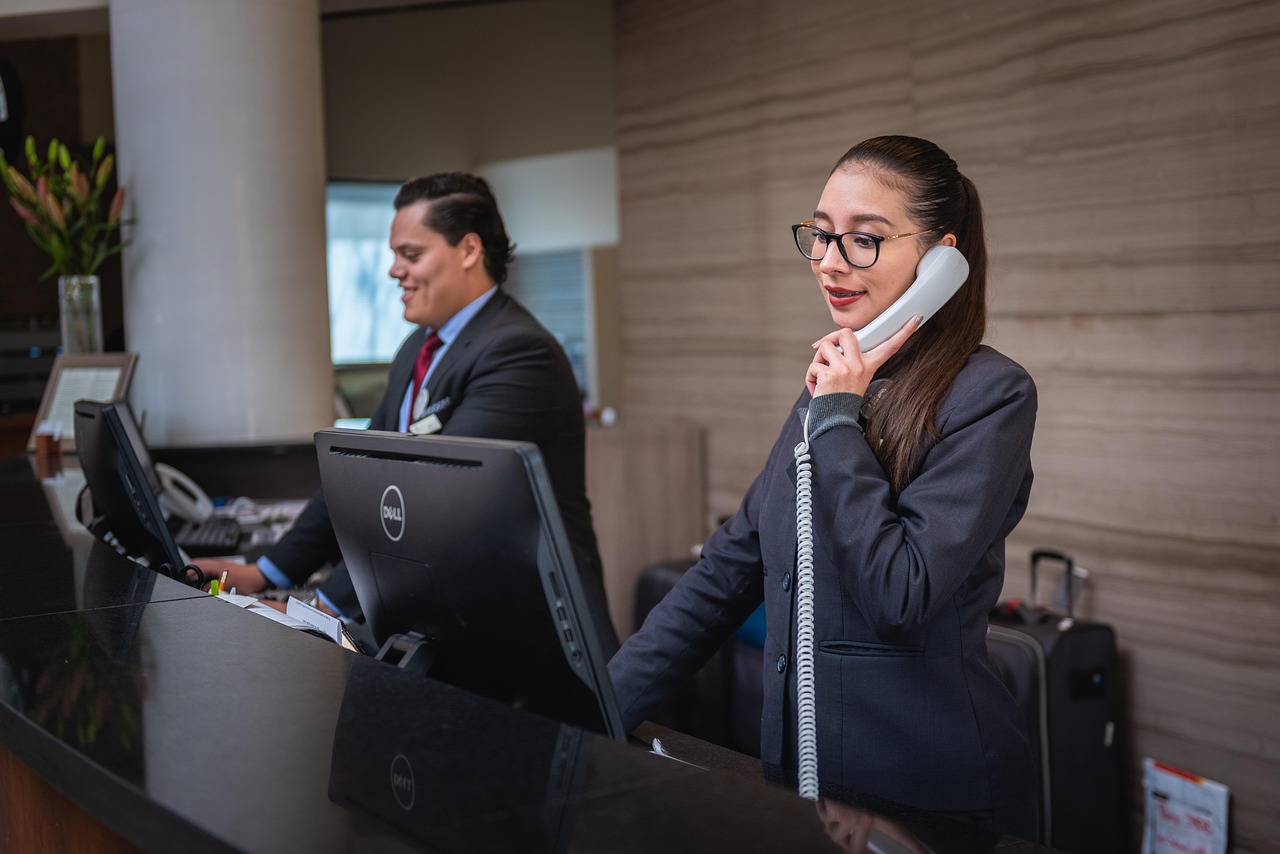
Let us help you protect your people!
Discreet Wearable Design:
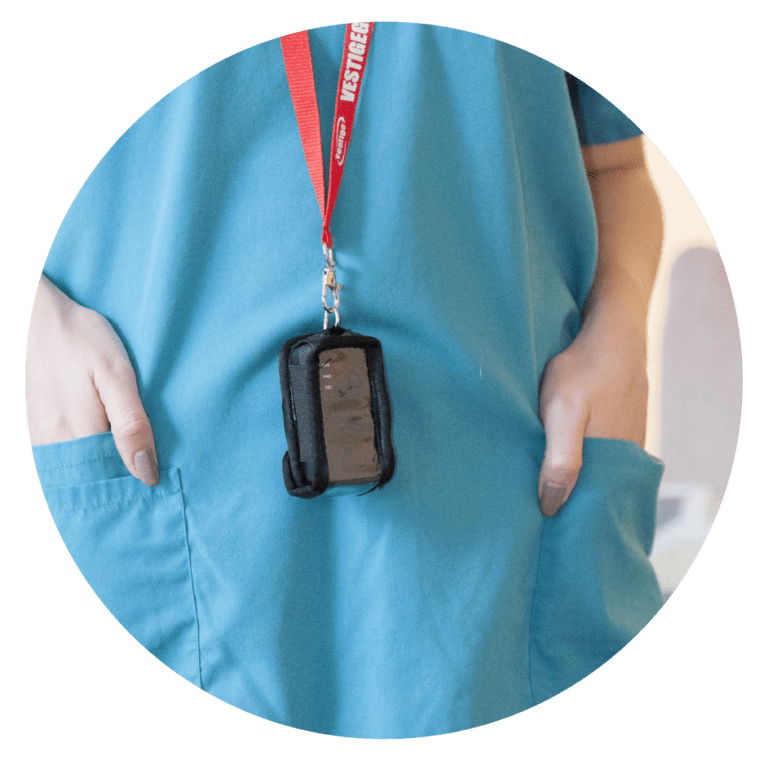
Compact, lightweight button that's easy to carry or wear—ideal for lone workers, educators, and healthcare staff.
Silent Emergency Alerts:
Send instant, silent distress signals with precise GPS location—no need to reach for a phone.
Real-Time GPS Tracking:
Live tracking for fast response and full visibility of employees in the field or in remote settings.
Seamless Platform Integration:
Automatically logs location, clock-in/out times, and emergency activity—all in one easy-to-use dashboard.
Regulatory Compliance:
Helps meet safety mandates like OSHA and Alyssa’s Law while reducing liability risks.
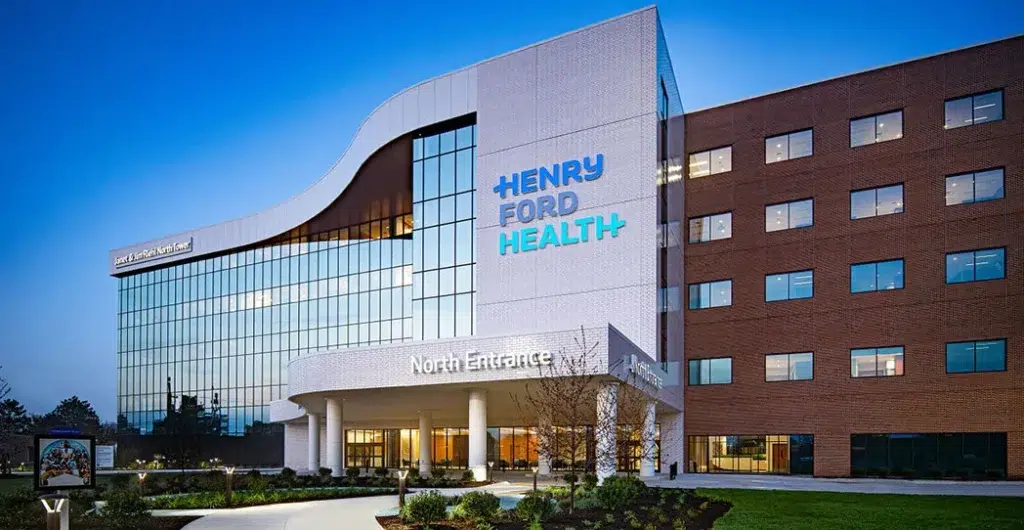
Henry Ford Health Chooses Vestige's Persa To Protect Remote Workers In Michigan
Simplicity, reliability and alert customization drive decision to deploy and retain Vestige PERSA safety solution
More than half of hotel housekeepers say they’ve been sexually harassed by guests. That’s not a fringe issue, it’s a widespread problem. A survey by UNITE HERE, the hospitality workers’ union, found that 58% of housekeepers have faced this reality on the job. Numbers like these help explain why state and local governments across the country are stepping in and requiring hotels to provide wearable panic buttons for employees.
As we head into 2026, these rules have become much stricter. Compliance requirements have expanded, enforcement has increased, and fines can now reach up to $10,000 per violation. For hotel operators, understanding these laws is no longer optional. Implementing effective safety solutions is essential not only to avoid costly penalties but to genuinely protect the people who keep hotels running every day.
Worker safety has been a long-standing challenge in hospitality, especially for housekeepers, room service attendants, and other staff who often work alone in guest rooms or secluded areas. According to research from the Harvard Business Review, as many as 90% of women in the hospitality industry have experienced some form of sexual harassment. Faced with statistics like these, lawmakers have taken action, creating a growing patchwork of panic button requirements that continues to spread nationwide.
Understanding the 2026 Panic Button Legislative Landscape for Hotel Staff Safety
The push for hotel worker safety legislation gained momentum after the #MeToo movement and has accelerated dramatically in recent years, placing hotel staff safety at the center of national conversations about workplace protections. What began with union-negotiated protections in New York City in 2013 has evolved into comprehensive state and local laws affecting thousands of properties nationwide.
Washington State’s House Bill 1524, signed by Governor Bob Ferguson in April 2025 and effective January 1, 2026, represents one of the most expansive workplace safety measures in the nation. This legislation introduced the concept of “isolated employees,” meaning workers who spend at least 50% of their working hours without a supervisor or coworker present, or who work in areas where colleagues cannot immediately respond to emergencies without being summoned. The law goes beyond traditional hotel housekeeping to protect workers across multiple industries, establishing in-depth requirements for lone worker safety.
New York City’s Safe Hotels Act, passed in November 2024, requires all hotels with more than 50 rooms to be licensed by the Department of Consumer and Worker Protection. Large hotels must maintain at least one security guard, provide continuous front-desk coverage, and equip staff working alone with panic buttons for emergency use. The legislation also mandates that hotels employ their own staff rather than contractors for front desk and housekeeping tasks.
California’s evolving requirements have created a complex compliance environment, with multiple cities implementing their own ordinances. Los Angeles, Oakland, Sacramento, Santa Monica, West Hollywood, Glendale, Long Beach, and Anaheim all have active panic button requirements. The Los Angeles Hotel Worker Protection Ordinance requires personal security devices for all employees working in guest rooms or restrooms, with mandatory annual safety training and written response protocols.
State-by-State Compliance Requirements for Hotels
Understanding the specific requirements in your jurisdiction is essential for compliance. While federal OSHA regulations require general workplace safety measures, panic button mandates vary significantly by location.
New Jersey was among the first states to enact panic button legislation. The law applies to hotels, inns, boarding houses, motels, and similar establishments with at least 100 guest rooms. Employers must provide personal safety panic buttons to employees assigned to work in guest rooms alone at no cost to the worker. The state’s Department of Labor can issue penalties of up to $5,000 for first violations and $10,000 for subsequent infractions.
Washington State requires all hotels and motels with 60 or more rooms to provide panic buttons to employees. Smaller properties with fewer than 60 rooms also must comply. The law mandates that employers adopt anti-sexual harassment policies, provide mandatory training to managers and employees, and maintain contact information for the Equal Employment Opportunity Commission, Washington State Human Rights Commission, and local advocacy groups.
For Illinois, hotels and casinos with more than 100 guest rooms to equip employees with safety or notification devices when they work alone in guest rooms, restrooms, or casino floors. The Hotel and Casino Employee Safety Act prohibits retaliation against employees who use their panic buttons and allows workers to leave the scene if they reasonably believe they are in danger.
Chicago mandates panic buttons for any hotel staff who clean, inventory, inspect, or restock supplies in guest rooms or restrooms when no other staff is present. Non-compliance carries fines ranging from $250 to $500 per violation, with employers responsible for ensuring devices are functioning, charged, portable, and capable of summoning timely assistance.
Henry Ford Health trusts PERSA for mobile clinicians
The Michigan Health System turns to Vestige and its 24-hour call center to provide simple and affordable panic button technology to protect staff working in challenging environments.
TRUSTED BY INDUSTRY LEADERS



What Makes a Compliant Panic Button System
Not all emergency devices meet legislative requirements. Understanding the specific criteria your panic button system must satisfy is crucial for compliance and effective worker protection.
Portability and wearability are fundamental across virtually all panic button mandates. Legacy noisemakers, alarm bells, and whistles do not qualify under modern legislation. Devices must be designed to be carried by the user, typically through lanyards, clip-ons, or other wearable configurations that keep the device accessible at all times. A GPS panic button device offers the portability and location accuracy required by most current hotel staff safety regulations.
Location transmission capability is another critical feature. Modern panic button laws specifically require devices that can transmit the user’s location to responders. This recognizes that in large hotel complexes, simply knowing an employee activated a panic button provides little help if security cannot quickly locate them. Real-time GPS tracking ensures responders can reach distressed employees within seconds.
Silent activation distinguishes compliant devices from older technologies. Many situations requiring emergency assistance would be escalated by audible alarms. A housekeeper confronted by an aggressive guest needs to summon help discreetly, without alerting the potential threat. Effective panic button systems allow silent activation that notifies security, management, or designated responders without producing sounds that could endanger the employee.
Integration with response protocols is increasingly mandated. California cities, Washington State, and other jurisdictions require employers to have documented response procedures in place. This includes designating specific personnel to respond to alerts, establishing expected response times, and creating escalation procedures when primary responders are unavailable.
The Cost of Non-Compliance: Fines and Legal Liability
Hotels that fail to implement compliant panic button systems face significant financial and legal consequences. Understanding these penalties helps justify the investment in proper safety equipment and training.
Direct fines vary by jurisdiction but can accumulate rapidly. New Jersey imposes penalties of up to $5,000 for first violations and $10,000 for each subsequent offense. Washington State’s H.B. 1524 establishes fines of $1,000 for each willful violation, with repeat offenders facing escalating penalties between $2,000 and $10,000. Sacramento hotels face daily fines between $25 and $2,500 for each day a violation continues. Miami Beach follows a progressive penalty structure starting with a written warning, then civil fines of $500, $1,000, and $2,000 for subsequent violations.
Civil liability extends well beyond regulatory fines. Attorney Greg Duff, who chairs the hospitality practice at Foster Garvey in Seattle, notes that panic button mandates are creating a standard even for properties not directly affected by local laws. Hotels that choose to do nothing risk being seen as negligent if an employee is harmed in circumstances where a panic button could have summoned help. Massachusetts law allows aggrieved employees to bring civil actions against employers, with courts empowered to grant relief, including damages and attorneys’ fees.
Reputational damage can prove even more costly than fines. In an era of social media and online reviews, incidents of employee harassment or assault can quickly become public relations crises. Hotels known for prioritizing worker safety attract and retain better employees while building trust with guests who increasingly value ethical business practices.
Below are the alert levels you can forward:
Red Alert
An employee can send distress signals to request immediate assistance for a 911 call.
Yellow Alert
Users can report concerning situations to their team through text or email.
Regular check-in (Green code)
The system requires regular check-ins from professionals on duty.
Implementing an Effective Hotel Safety Program
Compliance with panic button legislation requires more than simply purchasing devices. Successful implementation involves training, policy development, and ongoing program management.
Device selection should prioritize reliability, ease of use, and appropriate technology. The PERSA wearable panic button exemplifies the type of device that meets legislative requirements while providing practical functionality. Key features to evaluate include battery life, range, and connectivity in various building conditions, comfort for extended wear, and integration with existing security infrastructure.
Training programs must be comprehensive and ongoing. Los Angeles requires annual safety training for all hotel workers, with new hires receiving training within 30 days of employment. Training must be provided in English, Spanish, and any language spoken by at least 10% of the workforce. Effective programs cover device operation, when to activate the panic button, employee rights following activation, and de-escalation techniques.
Response protocols document exactly what happens when an employee activates a panic button. Washington State’s H.B. 1524 requires employers to establish comprehensive response procedures, including designation of responders, expected response times, and escalation procedures. San Diego’s Mobile Crisis Response Team, which uses Vestige’s PERSA panic button, achieves an average emergency response time of just 28 seconds, demonstrating what’s possible with proper protocols in place.
Documentation and record-keeping satisfy regulatory requirements while protecting hotels in the event of disputes. Washington State requires employers to maintain detailed records of training completion, panic button purchases, and utilization. Property services contractors must submit annual reports to the Department of Labor and Industries, with all records available upon request.
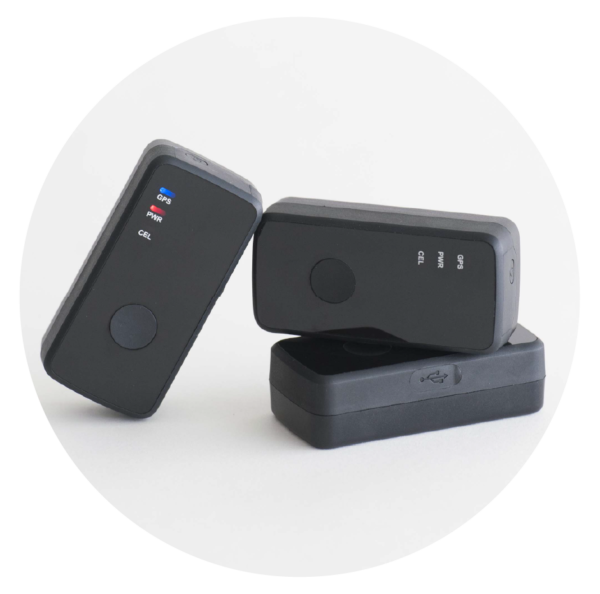
Employees are never alone with PERSA
Designed to be accessible any time you need it, PERSA is a wearable safety device and tracker complete with our software platform to ensure all remote or lone workers are safe 24/7.
- Employee clock-in and clock-out times
- Any off-site location their mobile employees may visit
- Mobile employees are on the best route to get to their site locations
Industry Leadership: Major Hotel Brands Setting Standards
Beyond legal requirements, major hospitality brands have established their own panic button mandates, creating industry-wide expectations that extend beyond jurisdictions with specific laws.
The American Hotel & Lodging Association (AHLA) launched the 5-Star Promise in 2018, with member companies committing to providing employee safety devices. Major chains, including Marriott, Hilton, Hyatt, IHG, and Wyndham, have pledged to implement panic buttons across their properties regardless of local legal requirements.
Marriott International provides personal safety devices to room attendants at all owned and managed properties in the United States and Canada. This initiative covers thousands of hotels and demonstrates how industry leaders are establishing standards that smaller properties may eventually need to meet to remain competitive.
MGM Resorts International and Caesars Entertainment Corporation began providing panic buttons to their Las Vegas properties in 2018, even without a state mandate requiring them. By mid-2019, nearly every housekeeper in Las Vegas carried a personal safety device, driven by union negotiations and recognition of the business case for worker protection.
These brand standards create practical compliance requirements for franchisees and management companies, even in locations without panic button laws. Hotels seeking to maintain their affiliation with major brands must implement safety programs that meet corporate hotel staff safety standards.
Technology Solutions: Choosing the Right System
Modern panic button technology offers features well beyond basic emergency notification. Understanding available options helps hotels select systems that maximize worker protection while streamlining compliance.
Wearable devices represent the standard for hotel safety programs. Unlike fixed panic buttons or smartphone apps, dedicated wearable devices ensure employees always have access to emergency assistance regardless of what tasks they’re performing. The best devices are lightweight, durable, water-resistant, and designed for comfortable all-day wear. Vestige’s employee safety device solutions offer silent activation in under four seconds with accurate GPS tracking that works even in areas with limited cellular coverage.
Real-time location systems (RTLS) use Bluetooth beacons, Wi-Fi, or GPS to pinpoint employee locations with room-level accuracy. This technology satisfies legislative requirements for location transmission while enabling rapid response. Advanced systems can display employee positions on property maps, helping security personnel navigate directly to the emergency location.
Integration capabilities allow panic button systems to work with existing hotel security infrastructure. Alerts can be routed to security command centers, management smartphones, and even local emergency services depending on incident type and escalation protocols. Some systems integrate with property management systems to identify which room the employee is servicing.
Analytics and reporting features help hotels demonstrate compliance while identifying patterns that inform safety improvements. Comprehensive systems track response times, activation causes, and outcomes to help refine training and protocols over time.
Take Action: Protect Your Team with Vestige
The landscape of hotel worker safety legislation continues to evolve, with new requirements taking effect in 2026 and more states considering similar laws. Hotels that implement comprehensive safety programs now position themselves ahead of regulatory requirements while demonstrating commitment to their workforce.
Vestige delivers AI-powered safety solutions trusted by more than 2,000 organizations across healthcare, public safety, and transportation. The PERSA wearable panic button provides the features hotels need for compliance: silent activation, real-time GPS tracking, customizable alert sequences, and proven reliability in challenging environments.
Don’t wait for an incident to expose compliance gaps. Contact Vestige today to learn how their personal safety solutions can protect your employees, satisfy regulatory requirements, and create the safe working environment your team deserves.
Request a Demo to see how Vestige’s panic button solutions meet the demands of hotel staff safety legislation while delivering peace of mind for workers and operators alike.
Sources: UNITE HERE union surveys, Harvard Business Review, AFL-CIO, New Jersey Department of Labor, Washington State Legislature, California Division of Occupational Safety and Health, American Hotel & Lodging Association
Start Protecting Your Remote Employees Today
Are you ready to meet the security demands of modern organizations? An ESD is a cost-effective way to achieve your goals.
Many people think it’s a complicated process, but it doesn’t have to be. With Vestige on your side, you can provide guards, bouncers, and event staff with a compact, water-resistant, advanced safety device that they can comfortably wear 24/7.
There’s no other device quite like it on the market. It’s the ideal step to achieving your safety goals for personnel in your company. Request a demo now.
Frequently Asked Questions
Implementation costs vary based on property size, technology selected, and existing infrastructure. Basic wearable panic button devices typically cost between $100-300 per unit, with monthly monitoring fees ranging from $5-20 per device. Enterprise systems with advanced location tracking and integration capabilities may have higher upfront costs but often provide better long-term value through reduced incidents and streamlined compliance.
Requirements vary by jurisdiction. New Jersey’s law applies only to properties with 100 or more guest rooms, while Washington State covers hotels with 60 or more rooms. However, Santa Monica requires panic buttons at all hotels regardless of size, and Los Angeles covers properties with more than 45 rooms. Even where not legally required, industry best practices increasingly expect panic button implementation at properties of all sizes.
When an employee activates a compliant panic button, an alert with location information is immediately transmitted to designated responders such as security officers, managers, or supervisors. Employees have the right to cease work and leave the immediate area if they feel unsafe. Employers are prohibited from retaliating against employees who use panic buttons in good faith. Response protocols should enable assistance to arrive within minutes of activation.
Most panic button mandates specify portable electronic devices rather than smartphone applications. While some jurisdictions may accept app-based solutions, dedicated wearable devices offer significant advantages, including reliable accessibility during physical altercations, longer battery life, and simpler activation under stress. Some laws explicitly require devices that can be activated with a single button press, which may be difficult to achieve with smartphone apps.
Record retention requirements vary by jurisdiction, but most experts recommend maintaining training records, activation logs, and incident documentation for at least five years to cover potential statutes of limitation for civil claims. Washington State requires all compliance records to be available to the Department of Labor and Industries upon request.
Training requirements typically include device operation, situations warranting activation, employee rights following activation, and response protocols. Many jurisdictions mandate annual refresher training plus new-hire training within 30 days of employment. Training must often be provided in multiple languages based on workforce composition.