
Safety Beyond the Office: Why Remote Workers Need a GPS Panic Button Device
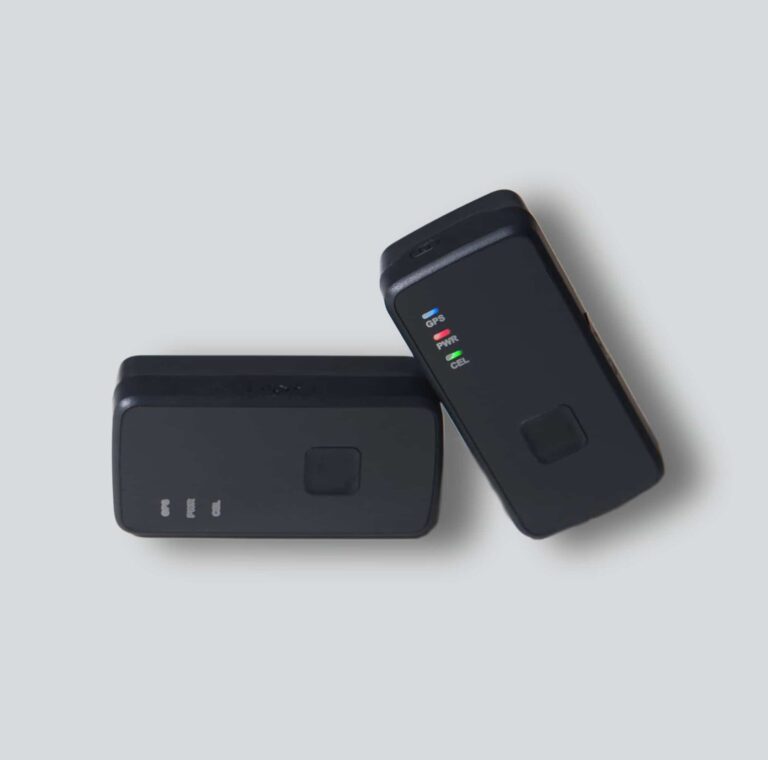
Let us help you protect your people!
Discreet Wearable Design:
Compact, lightweight button that's easy to carry or wear—ideal for lone workers, educators, and healthcare staff.
Silent Emergency Alerts:
Send instant, silent distress signals with precise GPS location—no need to reach for a phone.
Real-Time GPS Tracking:
Live tracking for fast response and full visibility of employees in the field or in remote settings.
Seamless Platform Integration:
Automatically logs location, clock-in/out times, and emergency activity—all in one easy-to-use dashboard.
Regulatory Compliance:
Helps meet safety mandates like OSHA and Alyssa’s Law while reducing liability risks.

Henry Ford Health Chooses Vestige's Persa To Protect Remote Workers In Michigan
Simplicity, reliability and alert customization drive decision to deploy and retain Vestige PERSA safety solution
When most people think of remote work, they usually imagine someone sitting on the beach with a laptop or in a cozy home office, full of plants, natural light, and a cat in their lap. But that’s only one dimension of the possibilities for remote work.
Remote work can also involve driving to a specific destination in order to complete tasks. Traveling nurses, social workers visiting clients at home, utility workers, inspectors, and real estate managers are all considered remote workers.
When most think about roles that involve traveling, they think of financial stability, endless job opportunities, and no two days being the same.
But if there’s one thing most people don’t really think about outside-looking-in, it’s the personal safety challenges remote workers face every day. You just never know who you may run into any given day, especially if it involves entering someone’s home.
While there’s still work to be done, workplace safety has come a long way over the last decade.
GPS panic button device solutions have emerged as critical tools in ensuring personal safety and providing peace of mind for individuals, families, and organizations.
As remote work becomes the norm across decentralized roles, ensuring workers’ safety wherever they are has never been more urgent.
The Hidden Risks Faced by Remote and Lone Workers
Workplace violence in healthcare is 4x higher than in other industries, making healthcare safety solutions essential for staff members working alone.
An Occupational Hazard study, signed off by John Howard, M.D., Director of the National Institute for Occupational Safety and Health (NIOSH), discusses how home healthcare workers face the risk of working in unclean and hostile environments.
This can include bloodborne pathogens, exposure to needles, and exposure to firearms or aggressive animals on the premises. And that’s just in healthcare, a field that already struggles with high turnover.
Other forms of traveling work may also involve those risks and other industry-specific concerns.
No matter the field, remote and lone workers face unique risks simply because they operate without direct supervision or immediate backup.
The growing need for panic buttons spans various demographics and industries where workers encounter potentially dangerous situations daily.
Imagine a social worker arriving at a tense domestic environment. If aggression escalates, calling 911 on a phone may not be possible discreetly. This is the reality of countless professionals working beyond traditional office protection, where seconds matter most and traditional communication methods may not be viable.
Research shows that panic buttons and similar alarm systems are identified as primary risk management interventions in such scenarios, consistently being recommended as effective technological solutions to mitigate workplace violence.
- Healthcare facilities implement them to safeguard staff members working alone.
- Businesses deploy them to protect lone workers in high-risk environments, particularly in industries like lumber and logging.
- Utility workers and environmental surveyors travel to isolated or hazardous sites alone.
- Real estate agents often meet strangers in empty properties.
- Delivery drivers and field sales reps work unpredictable hours in varying neighborhoods.
Each scenario presents unique challenges that require immediate access to emergency assistance through personal safety solutions designed for remote work environments.
No matter the industry, companies that implement lone worker protection systems see many positive outcomes:
- Less incident reports
- Lower insurance costs
- Better OSHA compliance
- Improved response times
- More confident employees
Below are the alert levels you can forward:
Red Alert
An employee can send distress signals to request immediate assistance for a 911 call.
Yellow Alert
Users can report concerning situations to their team through text or email.
Regular check-in (Green code)
The system requires regular check-ins from professionals on duty.
Henry Ford Health trusts PERSA for mobile clinicians
The Michigan Health System turns to Vestige and its 24-hour call center to provide simple and affordable panic button technology to protect staff working in challenging environments.
TRUSTED BY INDUSTRY LEADERS




What is a GPS Panic Button Device, and How Does it Work?
A GPS panic button device serves as a lifeline during emergencies, providing immediate location tracking and alert capabilities when traditional safety measures fall short.
These compact devices combine advanced GPS technology with simple, one-touch activation to connect users with emergency contacts or professional monitoring services. No number dialing or even speaking is necessary. Just press to send a silent distress signal.
Modern GPS panic button device technology goes beyond basic location tracking and incorporates features like geofencing, fall detection, and two-way communication capabilities.
When evaluating GPS panic button device options, several critical features determine their effectiveness in emergency situations:
Real-time Tracking Capabilities:
- Continuous location updates every 2-5 seconds
- Accuracy within 10 feet or less
- Indoor positioning capabilities
- Geofencing alerts for predetermined safe zones
Battery Life and Durability:
- Extended battery life (72+ hours on a single charge)
- Water-resistant or waterproof construction
- Impact-resistant design
- Temperature tolerance for various environments
One-touch emergency alert: Pressing the button sends an immediate distress signal with GPS location tracking that enables employers or monitoring centers to receive exact location data to dispatch help.
Two-way communication or silent alarm: Some devices allow direct conversation while others alert silently to avoid escalating danger. Professional monitoring services ensure immediate response to emergency activations.
Integration with safety apps or monitoring services: Alerts are routed efficiently to emergency contacts or professional response teams through multi-network cellular connectivity and seamless integration with existing security infrastructure.
The reliability of a GPS panic button device depends heavily on its construction quality and power management system.
Professional-grade devices feature robust housings that withstand harsh conditions while maintaining consistent performance. Battery optimization ensures that the device remains operational during extended periods, which is crucial for emergency situations.
Connectivity options represent another critical aspect of GPS panic button device functionality. Multi-network cellular connectivity ensures that emergency signals reach monitoring centers even in areas with limited coverage.
Bluetooth integration with smartphones provides additional communication pathways, while WiFi positioning capabilities enhance location accuracy in indoor environments.
Each GPS panic button device integrates seamlessly with existing security infrastructure while providing standalone functionality.
This dual capability ensures that users receive protection whether they’re connected to organizational systems or operating independently. The technology behind these devices continues to evolve, incorporating artificial intelligence and machine learning to improve response accuracy and reduce false alarms.
Real-time Tracking Capabilities:
- Continuous location updates every 2-5 seconds
- Accuracy within 10 feet or less
- Indoor positioning capabilities
- Geofencing alerts for predetermined safe zones
Battery Life and Durability:
- Extended battery life (72+ hours on a single charge)
- Water-resistant or waterproof construction
- Impact-resistant design
- Temperature tolerance for various environments
One-touch emergency alert: Pressing the button sends an immediate distress signal with GPS location tracking that enables employers or monitoring centers to receive exact location data to dispatch help.
Two-way communication or silent alarm: Some devices allow direct conversation while others alert silently to avoid escalating danger. Professional monitoring services ensure immediate response to emergency activations.
Integration with safety apps or monitoring services: Alerts are routed efficiently to emergency contacts or professional response teams through multi-network cellular connectivity and seamless integration with existing security infrastructure.
The reliability of a GPS panic button device depends heavily on its construction quality and power management system.
Professional-grade devices feature robust housings that withstand harsh conditions while maintaining consistent performance. Battery optimization ensures that the device remains operational during extended periods, which is crucial for emergency situations.
Connectivity options represent another critical aspect of GPS panic button device functionality. Multi-network cellular connectivity ensures that emergency signals reach monitoring centers even in areas with limited coverage.
Bluetooth integration with smartphones provides additional communication pathways, while WiFi positioning capabilities enhance location accuracy in indoor environments.
Each GPS panic button device integrates seamlessly with existing security infrastructure while providing standalone functionality.
This dual capability ensures that users receive protection whether they’re connected to organizational systems or operating independently. The technology behind these devices continues to evolve, incorporating artificial intelligence and machine learning to improve response accuracy and reduce false alarms.
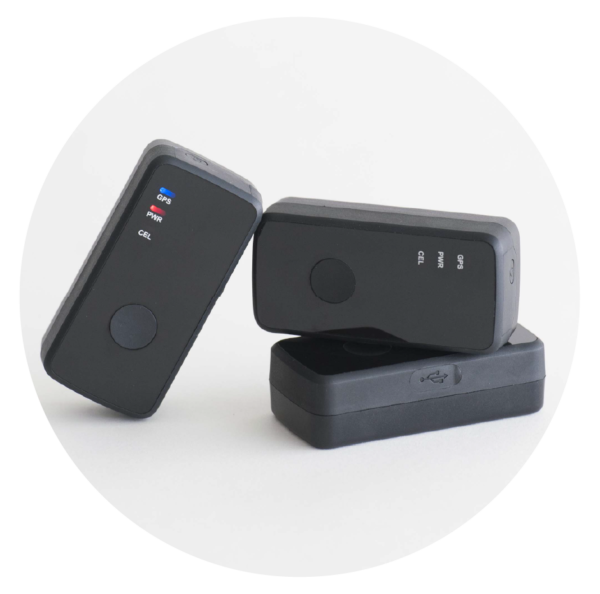
Employees are never alone with PERSA
Designed to be accessible any time you need it, PERSA is a wearable safety device and tracker complete with our software platform to ensure all remote or lone workers are safe 24/7.
- Employee clock-in and clock-out times
- Any off-site location their mobile employees may visit
- Mobile employees are on the best route to get to their site locations
Why Safety Technology is Essential for Remote Workplaces
If you manage an organization with lone workers, it’s crucial to recognize that they face unique safety challenges that GPS panic button for remote workers systems help address effectively.
As a leader within your company, it is your duty to protect workers from foreseeable risks, even if they work remotely or alone.
Wearable GPS Panic Alarms: Safety on the Go
Wearable GPS panic button device technology represents the latest evolution in personal safety solutions. These devices seamlessly integrate into everyday accessories while providing powerful protection features that don’t interfere with normal activities.
Modern wearable panic button solutions for employees prioritize discretion without compromising functionality.
Bracelet and pendant styles allow users to carry protection without drawing attention, which is particularly important in situations where visible safety equipment might escalate tensions or create unwanted attention.
Automatic fall detection technology in wearable GPS panic button device systems uses accelerometers and gyroscopes to detect sudden changes in movement patterns. This feature provides protection even when users are unconscious or unable to manually activate the device.
Silent alarm capabilities allow users to request help without alerting potential threats to their actions.
Integration with smartphone applications enhances the functionality of wearable GPS panic button device systems. Users can customize alert settings, review location history, and manage emergency contacts through intuitive mobile interfaces. This integration also enables family members or supervisors to monitor safety status and receive notifications about potential incidents.
The ergonomic design of wearable GPS panic button device systems ensures comfortable long-term wear. Lightweight materials and adjustable straps accommodate different user preferences while maintaining secure attachment during physical activities. Hypoallergenic materials prevent skin irritation during extended use periods.
Lone Worker GPS Alarms: Essential Safety Tools
Location tracking capabilities in lone worker GPS panic button device systems enable rapid response by emergency personnel.
Accurate positioning data allows first responders to locate workers quickly, even in complex facilities or remote locations.
This capability is particularly valuable in industries like lumber and logging, where workers often operate in isolated areas.
Man-down detection technology in GPS panic button device systems automatically triggers alerts when workers fall or become incapacitated. This feature uses motion sensors and position monitoring to detect unusual patterns that might indicate accidents or medical emergencies.
Regular check-in prompts ensure that workers remain responsive and alert supervisors to potential problems.
Documentation capabilities in GPS panic button device systems support compliance requirements and incident investigation processes.
Detailed logs of locations, times, and activities help organizations demonstrate adherence to safety regulations and identify patterns that might indicate systemic risks.
The integration of GPS panic button device systems with existing safety infrastructure creates comprehensive protection networks.
Connection to facility security systems, communication networks, and emergency response protocols ensures that incidents receive appropriate attention, and resource materials help organizations optimize their implementation strategies.
Mobile GPS Panic Systems for Immediate Response
Modern mobile GPS panic button device systems integrate seamlessly with smartphones while providing standalone functionality. Whether connected to cellular networks or operating in areas with limited coverage, this dual approach guarantees users receive protection.
One-touch activation remains the cornerstone of effective GPS panic button device design. Simple operation ensures that users can request help quickly, even under stress or in dangerous situations. Multiple alert methods provide redundancy that prevents single points of failure from compromising safety.
Automatic location sharing capabilities in mobile GPS panic button device systems eliminate the need for users to communicate their position during emergencies. This feature is particularly valuable when users are injured, threatened, or otherwise unable to provide detailed information about their situation.
Integration with monitoring centers provides professional oversight and emergency response coordination. Trained operators can assess situations, contact appropriate authorities, and maintain communication with users throughout incidents. This professional support enhances the effectiveness of GPS panic button device systems significantly.
Custom emergency protocols allow organizations to tailor GPS panic button device responses to specific operational requirements. Different alert levels, response procedures, and escalation paths ensure that incidents receive appropriate attention without overwhelming resources or creating unnecessary disruptions.
Real-time tracking updates provide continuous situational awareness during active incidents. Emergency responders can monitor user movements, assess changing conditions, and adjust response strategies based on current information.
Mobile GPS panic systems work particularly well when integrated with comprehensive safety technology ecosystems that may include body-worn cameras for lone workers for additional documentation and deterrent capabilities.
Wearable panic button solutions for employees represent a specialized application of mobile GPS panic button device technology. These systems address the unique needs of workplace safety while providing the flexibility and functionality that modern workers require.
Other Organizational Benefits of GPS Panic Buttons
Reduced anxiety for employees: Workers gain peace of mind knowing help is just a button away.
Increased productivity and job satisfaction: Workers feel valued and protected, leading to improved performance and retention rates.
Enhanced employer reputation: Companies signal commitment to worker safety and well-being, which attracts top talent and improves stakeholder relationships.
Comprehensive protection networks: Integration with existing safety infrastructure creates layered security that connects to facility security systems, communication networks, and emergency response protocols.
Without reliable emergency solutions, companies risk not only employee injury but also legal and reputational consequences that can impact long-term business sustainability.
Vestige's Persa Device For Remote Employee Safety
Wearable Panic Button
Employees in duress can send silent alarms with a thumb-sized activation button. With a swift movement, they can alert authorities and forward accurate location notifications and precise location details.
Maximum Visibility
Our PERSA technology offers an enterprise-grade GPS (Global Positioning System) tracker with real-time data. This feature finds a person’s exact location.
Wearability
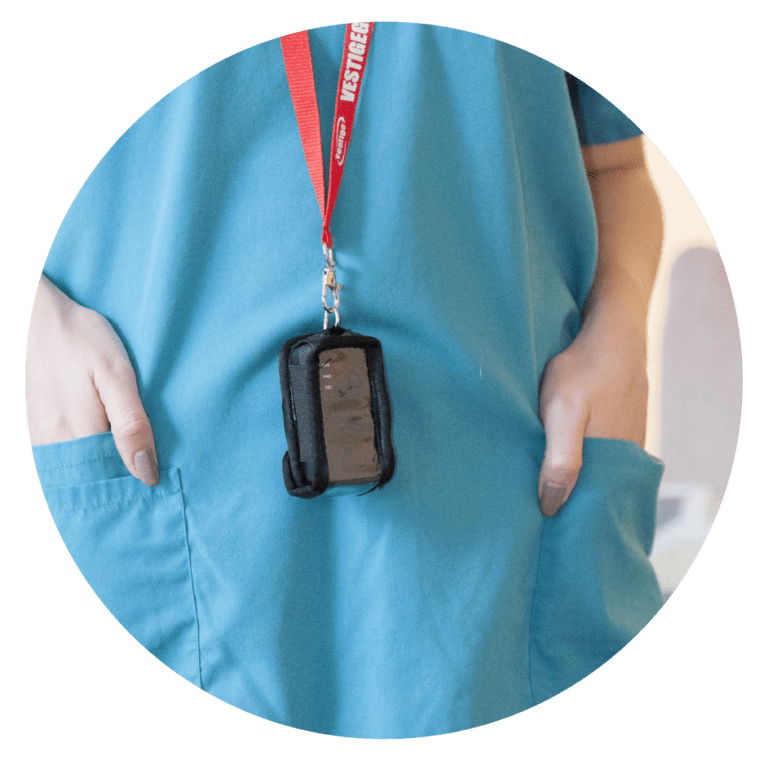
The Vestige pocket-sized device comes with a lanyard. This allows users to wear them around necks, belts, or bags.
Durability
With PERSA on your side, you won’t have to worry about daily charging or the elements. These gadgets are compact, water-resistant tools that can last up to two weeks on a full charge.
Custom Notifications
We don’t believe in one-size-fits-all solutions. Let us know which geofence alert notifications you want, and our team can make it happen.
How to Address Common Objections to GPS Panic Buttons
Despite their benefits, some people may not feel comfortable utilizing GPS panic buttons right away. Here’s a list of the most common issues people have with implementing them, and how you can reframe their mindset.
Privacy Concerns
Even healthcare workers, who would benefit from this most, have voiced their concerns regarding a violation of privacy.
This is understandable. If you were under the impression someone was watching your every move through a GPS tracker, it can feel like they don’t trust you and they’re just waiting for you to mess up. When you don’t feel trusted on a professional level, it feels degrading and demoralizing, especially as a remote worker.
The truth is most GPS panic buttons for remote workers are designed for emergency-only tracking, respecting worker privacy outside of distress signals.
Data security and privacy protection through encryption, access controls, and audit trails ensure that location data and emergency information remain secure while providing necessary functionality.
Therefore, if you plan to implement a GPS panic button system, be prepared to explain to your employees that this is not a threat to their livelihood but a tool to be used as an emergency call system for their personal safety. It’s an indicator that you value them as human beings.
Financial Risk
Compared to the medical bills, legal settlements, and lost productivity from serious incidents, panic buttons are a small investment. The total cost of workplace incidents far exceeds the expense of proactive safety measures.
Adoption Fears
People may feel uncomfortable with the thought of wearing a clunky alarm around their neck or on their belt loop all day. Or perhaps they feel intimidated at the thought of learning how to use new technology. The truth is modern panic button devices are lightweight, discreet, and easy to use, with no complex setup or training required.
Integration Complexity
Modern systems offer API integration capabilities that allow connection with custom applications and third-party software platforms. This flexibility enables organizations to create tailored solutions while maintaining compatibility with existing systems.
Technology Integration and Compatibility
Modern GPS panic button device systems must integrate seamlessly with existing technology infrastructure to maximize effectiveness and minimize implementation complexity. Compatibility considerations include communication protocols, data formats, and system interfaces.
Cloud-based monitoring platforms provide centralized management capabilities for GPS panic button device deployments. These systems offer real-time dashboards, historical reporting, and administrative tools that simplify device management and incident analysis. Integration with existing security systems ensures that GPS panic button device alerts receive appropriate attention within established response protocols.
Mobile device compatibility ensures that GPS panic button device systems work effectively with smartphones and tablets. This integration provides additional communication channels, location verification, and user interface capabilities that enhance overall system functionality. For organizations with vehicle fleets, integration with fleet GPS and multi-camera tracking systems creates comprehensive protection for mobile workers.
Start Protecting Your Remote Employees Today
Are you ready to meet the security demands of modern organizations? An ESD is a cost-effective way to achieve your goals.
Many people think it’s a complicated process, but it doesn’t have to be. With Vestige on your side, you can provide guards, bouncers, and event staff with a compact, water-resistant, advanced safety device that they can comfortably wear 24/7.
There’s no other device quite like it on the market. It’s the ideal step to achieving your safety goals for personnel in your company. Request a demo now.
The Future of Remote Worker Safety
Workplace safety technology is evolving rapidly, with GPS panic button device technology continuing to advance through improvements in sensors, communication protocols, and artificial intelligence integration. These developments promise to enhance the effectiveness and usability of personal safety systems.
Emerging trends include:
Wearable integrations: with smart watches and ID badges, continuing the evolution of wearable panic button solutions for employees.
AI-enabled incident detection: analyzing movement and environment changes to provide more sophisticated threat assessment.
Industry-wide adoption: with safety standards mandating proactive protection tools across various sectors.
VestigeView’s personal safety solutions incorporate these essential features while adding advanced capabilities like AI-powered risk detection and seamless integration with existing security systems. These comprehensive solutions address the diverse needs of modern safety applications, from healthcare safety solutions to specialized industry requirements.
Resource materials provide detailed technical specifications and implementation guidance for GPS panic button device systems. These resources help organizations make informed decisions about technology selection and deployment strategies.
Investing in a GPS panic button today isn’t just a precaution—it’s a step toward building resilient, future-ready remote teams who know their employers have their backs.
Conclusion
As remote and lone work continues to expand across sectors, protecting employees is not optional—it’s essential. A GPS panic buttons for remote workers provides immediate access to help, mitigates workplace risks, and reassures workers that their safety matters.
The versatility of a GPS panic button device makes it invaluable across multiple scenarios, from healthcare settings to field operations. Modern GPS panic button device systems must integrate seamlessly with existing technology infrastructure to maximize effectiveness and minimize implementation complexity.
Successful implementation requires careful planning, comprehensive training, and ongoing maintenance, with organizations developing clear policies and procedures that address device usage, emergency response, and incident management. The evolution of personal safety technology has made these devices essential tools for proactive risk management and emergency response.
Whether protecting healthcare workers, field personnel, or any employee working alone, GPS panic button devices represent a critical investment in both human safety and organizational resilience. The technology behind these devices continues to evolve, incorporating artificial intelligence and machine learning to improve response accuracy and reduce false alarms.
Frequently Asked Questions
Focus on reliability, battery life, connectivity options, and monitoring services. Ensure the GPS panic button device meets specific needs for your application and includes essential features like real-time tracking and emergency alert capabilities. Consider environmental factors, user requirements, and integration needs when making your selection.
Yes, these devices provide exceptional protection for vulnerable populations. Features like geofencing, fall detection, and simple operation make a GPS panic button device ideal for both children and seniors. The ease of use and automatic features ensure protection even when users might not be able to manually activate the device.
Most modern GPS panic button device systems offer smartphone integration through dedicated apps, providing additional features and monitoring capabilities. This integration enhances functionality while maintaining standalone operation when cellular connectivity is limited.
When activated, a GPS panic button device instantly transmits location data and emergency alerts to predetermined contacts or monitoring centers using cellular networks and GPS technology. The device combines location tracking with immediate alert capabilities to ensure rapid emergency response.
If you’re ready to explore practical solutions to keep your teams safe, contact us for a tailored safety assessment and demonstration today.