
GPS and Panic Button Solutions for Personal Security and Remote Workers
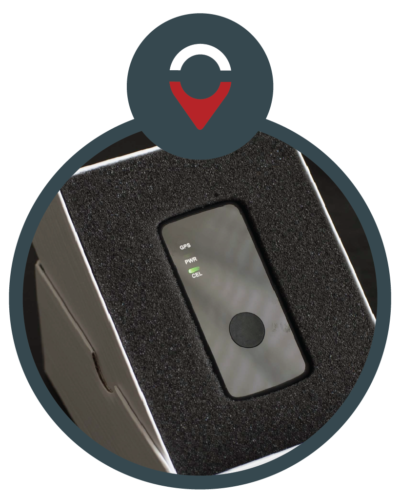
Let us help you protect your people!
Discreet Wearable Design:
Compact, lightweight button that's easy to carry or wear—ideal for lone workers, educators, and healthcare staff.
Silent Emergency Alerts:
Send instant, silent distress signals with precise GPS location—no need to reach for a phone.
Real-Time GPS Tracking:
Live tracking for fast response and full visibility of employees in the field or in remote settings.
Seamless Platform Integration:
Automatically logs location, clock-in/out times, and emergency activity—all in one easy-to-use dashboard.
Regulatory Compliance:
Helps meet safety mandates like OSHA and Alyssa’s Law while reducing liability risks.

Henry Ford Health Chooses Vestige's Persa To Protect Remote Workers In Michigan
Simplicity, reliability and alert customization drive decision to deploy and retain Vestige PERSA safety solution
Growing awareness about personal security has led to significant advances in safety technology, particularly in GPS tracking and emergency alert systems. Modern tracking and emergency response solutions have become essential components of comprehensive safety programs across industries.
Understanding the Importance of GPS and Panic Button Solutions
Modern life presents unique safety challenges that require innovative solutions. The integration of GPS technology with panic buttons has revolutionized personal security, offering immediate response capabilities during emergencies. These systems provide critical support for individuals, businesses, and organizations seeking comprehensive safety measures through reliable tracking and emergency alert technology.
The evolution of personal safety devices reflects our society’s increasing need for reliable security solutions. GPS-enabled panic buttons represent a significant advancement over traditional emergency response systems, offering precise location tracking and immediate alert capabilities. These devices have become essential tools for protecting employees, family members, and vulnerable individuals who depend on effective emergency response systems.
The integration of GPS technology with panic buttons significantly enhances personal security by providing faster, more accurate emergency response capabilities than traditional methods.
Organizations implementing comprehensive safety programs recognize that effective tracking and emergency alert solutions form the foundation of modern emergency response systems. Healthcare facilities particularly benefit from these integrated safety technologies, as they address the unique challenges faced by medical professionals in potentially dangerous situations.
TRUSTED BY INDUSTRY LEADERS




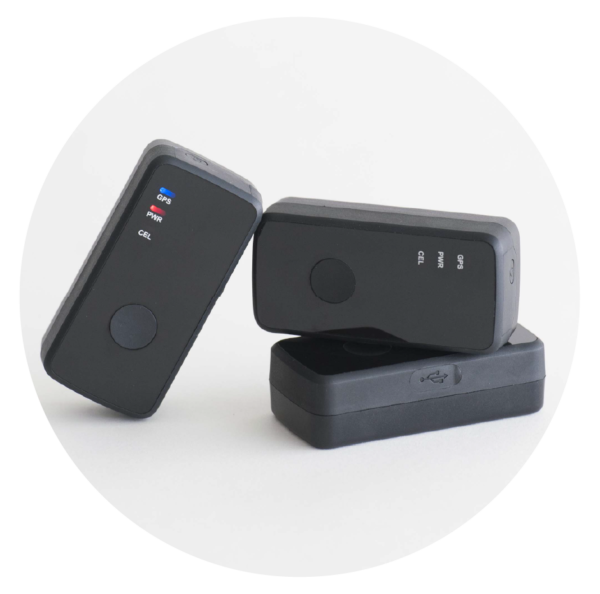
Employees are never alone with PERSA
Designed to be accessible any time you need it, PERSA is a wearable safety device and tracker complete with our software platform to ensure all remote or lone workers are safe 24/7.
- Employee clock-in and clock-out times
- Any off-site location their mobile employees may visit
- Mobile employees are on the best route to get to their site locations
The Benefits of GPS Trackers with Panic Buttons
Modern GPS panic buttons combine sophisticated tracking technology with user-friendly emergency alert features. Current technology offers several key advantages that make these systems invaluable for personal and professional safety applications:
- Immediate Response Activation: One-touch emergency alerts that connect directly to monitoring centers
- Real-time Location Tracking: Precise positioning for emergency responders using satellite technology
- Two-way Communication: Direct contact with emergency services or monitoring centers for enhanced coordination
- Geofencing Capabilities: Creates virtual safety boundaries with automatic alerts
- 24/7 Monitoring: Continuous security oversight with professional response teams
The integration of these features provides comprehensive protection for users across various scenarios. These enhanced capabilities are particularly valuable in high-risk environments where immediate assistance is critical. For instance, Vestige’s Personal Safety Wearable Panic Button solution incorporates advanced GPS technology with reliable emergency alert systems, ensuring optimal protection for employees and individuals in various work environments.
Battery life and device reliability are crucial considerations in emergency situations. Modern devices typically offer:
- Extended battery life ranging from 24-72 hours of continuous use
- Low-battery alerts with easy charging capabilities
- Backup power systems for critical situations
- Regular system health checks with diagnostics
These features ensure that safety systems remain operational when they’re needed most.
Organizations across various industries have discovered that implementing proper tracking and emergency alert technology significantly improves their overall safety protocols. Lone worker safety programs particularly benefit from these integrated systems, as they provide essential protection for employees working in isolated or high-risk environments.
Below are the alert levels you can forward:
Red Alert
An employee can send distress signals to request immediate assistance for a 911 call.
Yellow Alert
Users can report concerning situations to their team through text or email.
Regular check-in (Green code)
The system requires regular check-ins from professionals on duty.
Exploring Personal GPS Panic Buttons
Personal devices represent a significant advancement in individual safety technology. These devices differ from traditional emergency alert systems in several key ways, offering enhanced functionality that addresses modern security needs:
- Enhanced Mobility: Compact, lightweight design for easy carrying in any environment
- Discrete Operation: Subtle activation methods for dangerous situations without drawing attention
- Multiple Alert Options: Various ways to signal for help, including silent alerts and audio communication
- Customizable Features: Adaptable to specific user needs and organizational requirements
Recent developments in personal safety technology demonstrate that modern systems provide comprehensive features, including immediate response activation, real-time location tracking, and two-way communication capabilities. These advancements make them versatile tools for personal safety across diverse applications, from healthcare settings to remote work environments.
The versatility of personal devices extends beyond basic emergency response. Specific industry requirements, workplace hazards, and individual user needs can customize these systems. Organizations closely collaborate with professional monitoring services to properly configure each system for maximum effectiveness in emergency situations.
Healthcare professionals working in potentially dangerous environments have found that this technology provides essential peace of mind while maintaining their ability to focus on patient care. Body-worn safety devices complement panic button systems by providing additional layers of protection and documentation capabilities.
Henry Ford Health trusts PERSA for mobile clinicians
The Michigan Health System turns to Vestige and its 24-hour call center to provide simple and affordable panic button technology to protect staff working in challenging environments.
Wearable GPS Panic Buttons for Continuous Safety
The integration of GPS panic buttons into wearable technology has created new possibilities for personal security. Modern wearable devices offer enhanced protection through innovative design features that make emergency response systems more accessible and user-friendly than ever.
Contemporary wearable devices feature:
- Comfortable Design: Ergonomic construction for all-day wear without discomfort
- Weather Resistance: Suitable for various environmental conditions and outdoor activities
- Multiple Wearing Options: Clips, pendants, or wristband styles to suit individual preferences
- Smart Integration: Connectivity to existing security systems and mobile applications
These devices are particularly beneficial for professionals and individuals who require continuous safety monitoring. The versatility of modern wearable systems makes them ideal for:
- Healthcare professionals working in high-risk environments where workplace violence may occur
- Lone workers in remote locations without immediate backup support
- Elderly individuals living independently who may need emergency assistance
- Security personnel requiring constant communication with command centers
- Field service workers in isolated areas with limited cellular coverage
Evidence from workplace safety research indicates that GPS-enabled panic button technology is particularly beneficial for healthcare professionals and other workers in high-risk environments, where immediate access to emergency assistance can prevent serious incidents.
The effectiveness of wearable technology depends on proper training and regular system maintenance. Organizations implementing these safety solutions typically provide comprehensive training programs to ensure that users understand how to operate the devices effectively and know what to expect during emergency situations. Employee safety programs that incorporate wearable panic buttons show measurable improvements in incident response times and overall worker confidence.
GPS Emergency Alert Devices for Enhanced Security
Modern GPS emergency alert systems utilize advanced satellite technology and cellular networks to provide comprehensive coverage. These systems typically include sophisticated features that ensure reliable emergency response through integrated functionality.
Professional-grade systems incorporate:
- Multiple Network Connectivity: Consistent communication across various cellular and satellite networks
- Advanced Location Algorithms: Accurate positioning using GPS, Wi-Fi, and cellular triangulation
- Automated Alert Sequences: Streamlined emergency response with pre-programmed escalation procedures
- Data Recording Capabilities: Detailed incident records for analysis and compliance purposes
When selecting a device, organizations should consider several critical factors. Coverage area and network reliability in specific geographic regions directly impact system effectiveness. Response time and monitoring capabilities with 24/7 professional oversight ensure that emergencies receive immediate attention. Device durability and battery life must be suited to operational environments and usage patterns. Integration with existing security systems and communication protocols prevents compatibility issues. Adherence to industry standards like OSHA, DOT, and FMCSA regulations guarantees the fulfillment of legal requirements.
The effectiveness of these systems depends largely on the quality of the monitoring service and the device’s ability to maintain consistent communication in various environments. Professional monitoring centers staffed with trained emergency response personnel provide the human element that makes emergency response technology truly effective during crisis situations.
Organizations in specialized industries often require customized solutions that address specific operational challenges. Industrial safety applications demonstrate how these systems can be adapted to meet the unique requirements of high-risk work environments where traditional safety measures may be insufficient.
Vestige's Persa Device For Remote Employee Safety
Wearable Panic Button
Employees in duress can send silent alarms with a thumb-sized activation button. With a swift movement, they can alert authorities and forward accurate location notifications and precise location details.
Maximum Visibility
Our PERSA technology offers an enterprise-grade GPS (Global Positioning System) tracker with real-time data. This feature finds a person’s exact location.
Wearability
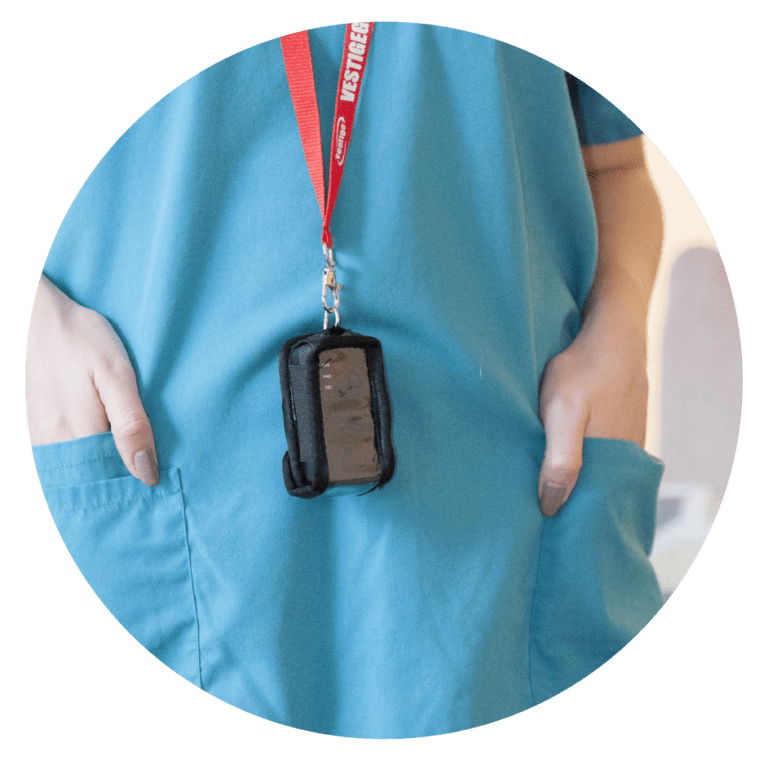
The Vestige pocket-sized device comes with a lanyard. This allows users to wear them around necks, belts, or bags.
Durability
With PERSA on your side, you won’t have to worry about daily charging or the elements. These gadgets are compact, water-resistant tools that can last up to two weeks on a full charge.
Custom Notifications
We don’t believe in one-size-fits-all solutions. Let us know which geofence alert notifications you want, and our team can make it happen.
Industry Applications for GPS and Panic Button Technology
The versatility of modern systems makes them valuable across numerous industries and applications. Healthcare facilities, educational institutions, corporate environments, and industrial operations all benefit from implementing comprehensive emergency response systems that combine GPS tracking with immediate alert capabilities.
Transportation and logistics companies have discovered that this technology provides essential protection for drivers and field personnel. These systems offer particular value in situations where workers operate alone or in potentially dangerous locations. Fleet managers can monitor employee safety while ensuring compliance with industry safety regulations and organizational policies.
Security professionals working in various environments rely on these devices to maintain communication with dispatch centers and backup personnel. The ability to transmit location information automatically during emergency situations enables faster response times and more effective coordination of security resources. Safety resources provide additional information about implementing comprehensive security programs that incorporate modern technology solutions.
Real estate professionals have increasingly adopted this technology to enhance their personal safety during property showings and client meetings. The discrete nature of modern devices allows agents to maintain professional appearances while ensuring they have immediate access to emergency assistance if dangerous situations arise. Professional safety programs that combine panic buttons with other safety technologies provide comprehensive protection for workers in client-facing roles.
Implementation and Training Considerations
Successful implementation requires careful planning and comprehensive training programs. Organizations must consider user requirements, operational environments, regulatory compliance, and integration with existing safety protocols when selecting and deploying emergency response technology.
Training programs should cover proper device operation, emergency procedures, system limitations, and regular maintenance requirements. Users need to understand when and how to activate their devices, what information to provide to monitoring centers, and how to respond to system alerts or malfunctions. Regular training updates ensure that personnel remain proficient with their safety equipment.
System administrators must understand device management, user account administration, reporting capabilities, and integration requirements. Proper system configuration ensures that devices function correctly within existing communication networks and safety protocols. Regular system updates and maintenance prevent technical difficulties that could compromise emergency response capabilities.
Organizations implementing this technology should establish clear policies regarding device usage, emergency procedures, and system maintenance. These policies should address privacy concerns, appropriate use guidelines, and disciplinary measures for system misuse. Clear communication about system capabilities and limitations helps ensure realistic expectations and proper utilization.
Start Protecting Your Remote Employees Today
Are you ready to meet the security demands of modern organizations? An ESD is a cost-effective way to achieve your goals.
Many people think it’s a complicated process, but it doesn’t have to be. With Vestige on your side, you can provide guards, bouncers, and event staff with a compact, water-resistant, advanced safety device that they can comfortably wear 24/7.
There’s no other device quite like it on the market. It’s the ideal step to achieving your safety goals for personnel in your company. Request a demo now.
Technology Integration and Compatibility
Modern systems are designed to integrate seamlessly with existing safety and security infrastructure. These devices can typically connect with building access control systems, video surveillance networks, communication systems, and emergency response protocols to create comprehensive safety environments.
Integration capabilities allow alerts to trigger multiple response actions simultaneously. For example, activating a panic button might simultaneously alert security personnel, unlock specific doors, activate surveillance cameras, and notify emergency services. This coordinated response approach maximizes the effectiveness of emergency procedures.
Cloud-based monitoring platforms provide centralized management capabilities for organizations with multiple locations or large numbers of users. These systems allow administrators to monitor device status, review emergency incidents, generate compliance reports, and manage user accounts from a single interface. Real-time dashboards provide visibility into system health and user activity across entire organizations.
Mobile applications complement hardware by providing additional features such as check-in capabilities, location sharing, and communication tools. These applications can extend system functionality while maintaining the reliability and simplicity of dedicated hardware devices. Asset tracking solutions demonstrate how integrated technology platforms can provide comprehensive visibility and control over safety systems.
For a solution tailored to your specific needs, contact Vestige today. Our expert team will help you select and implement the perfect safety system for your organization, ensuring maximum protection and peace of mind through proven technology that delivers measurable improvements in emergency response capabilities.
Frequently Asked Questions
GPS trackers primarily focus on location monitoring, while panic button systems combine tracking with emergency alert capabilities and two-way communication features for immediate response. Panic buttons are specifically designed for emergency situations and include features like one-touch activation and professional monitoring services.
Modern systems offer high accuracy in outdoor locations, with enhanced indoor positioning through additional technologies like Wi-Fi triangulation. Research shows these systems can reduce incident response times by up to 40% compared to traditional emergency communication methods.
Most professional-grade systems require monthly monitoring fees, which typically include 24/7 emergency response services, system maintenance, and professional monitoring center operations. These fees ensure that trained personnel are available to respond to emergencies at any time.
Yes, modern systems utilize multiple technologies to maintain connectivity in various environments, though signal strength may vary based on location and building construction. For challenging environments where GPS signals may be limited, advanced devices incorporate backup communication methods
Key considerations include battery life, coverage range, professional monitoring services, device durability, two-way Organizations should evaluate their communication capabilities and ensure compliance with relevant industry standards. Organizations should also consider integration requirements, user training needs, and ongoing support services.
Advanced devices often include multiple communication methods such as satellite connectivity, Wi-Fi capability, and mesh networking features. Even in areas with limited cellular coverage, these backup systems ensure the transmission of emergency alerts.