
Employee Panic Buttons
Employee panic buttons have emerged as an essential tool in protecting workers, ensuring rapid responses, and enforcing zero tolerance policies.
Reports are particularly acute in healthcare settings, where workers account for an overwhelming majority of nonfatal workplace violence incidents in the U.S.
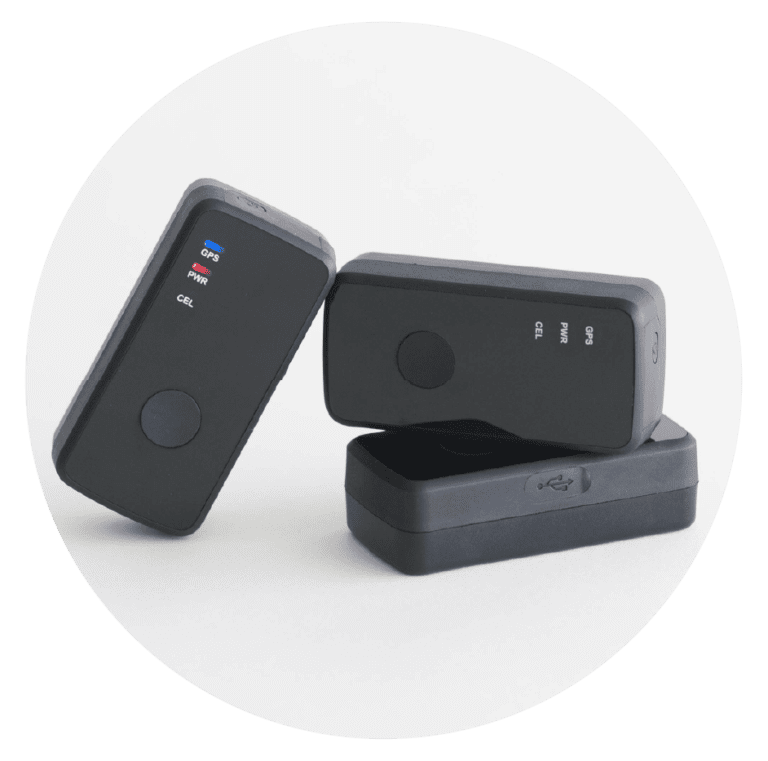
Let us help you protect your people!
Discreet Wearable Design:
Compact, lightweight button that's easy to carry or wear—ideal for lone workers, educators, and healthcare staff.
Silent Emergency Alerts:
Send instant, silent distress signals with precise GPS location—no need to reach for a phone.
Real-Time GPS Tracking:
Live tracking for fast response and full visibility of employees in the field or in remote settings.
Seamless Platform Integration:
Automatically logs location, clock-in/out times, and emergency activity—all in one easy-to-use dashboard.
Regulatory Compliance:
Helps meet safety mandates like OSHA and Alyssa’s Law while reducing liability risks.

Henry Ford Health Chooses Vestige's Persa To Protect Remote Workers In Michigan
Simplicity, reliability and alert customization drive decision to deploy and retain Vestige PERSA safety solution
Healthcare Industry Sees An Increase In Workplace Violence
Reports are particularly acute in healthcare settings, where workers account for an overwhelming majority of nonfatal workplace violence incidents in the U.S.
But this could happen in any public-facing field:
A social worker may be threatened by a parent under the influence during a home visit.
A retail cashier could get robbed while working the night shift alone.
Perhaps the most concerning fact is that many have gone unreported, a silent acceptance that this is just part of the job.
But it shouldn’t be.
Today, The Occupational Safety and Health Administration (OSHA) recommends all organizations establish a zero-tolerance policy for workplace violence, applying to employees, customers, guests, or any other visitors who people may interact with, so everyone knows what to do if an incident occurs.
Employee panic buttons have emerged as an essential tool in protecting workers, ensuring rapid responses, and enforcing zero tolerance policies.
Understanding Workplace Safety and Security
Creating a secure work environment is paramount for both employee well-being and organizational success.
Modern workplaces face various security challenges, ranging from external threats to internal emergencies.
Common workplace safety challenges include:
- Physical confrontations with aggressive individuals
- Medical emergencies requiring immediate response
- Accidents in remote or isolated work areas
- Security breaches in facilities
- Vehicle-related incidents for mobile workers
Technology plays an increasingly vital role in addressing each of these challenges.
Advanced security systems, including GPS tracking, surveillance cameras, and emergency alert devices, form a comprehensive safety network.
Among the most accessible steps an organization can take is implementing employee safety alarms. These small devices can make a life-saving difference when every second counts.
Vestige’s line of wearable panic buttons and safety monitoring tools are designed to meet these challenges head-on, giving employees fast, discreet access to emergency assistance.
Below are the alert levels you can forward:
Red Alert
An employee can send distress signals to request immediate assistance for a 911 call.
Yellow Alert
Users can report concerning situations to their team through text or email.
Regular check-in (Green code)
The system requires regular check-ins from professionals on duty.
Henry Ford Health trusts PERSA for mobile clinicians
The Michigan Health System turns to Vestige and its 24-hour call center to provide simple and affordable panic button technology to protect staff working in challenging environments.
The Role of Employee Safety Alarms in Enhancing Security
Employee safety alarms, also known as panic buttons, are emergency notification devices that allow workers to instantly alert security personnel or emergency responders when faced with dangerous situations.
These devices serve as a crucial lifeline, particularly for employees working in high-risk environments or isolated locations.
Modern safety alarms incorporate various features:
- One-touch emergency activation
- GPS location tracking
- Two-way communication capabilities
- Silent alert options
- Automatic fall detection
Recent data shows that implementing panic buttons and alarm systems as part of workplace safety strategies significantly improves incident reporting and response times.
Keep in mind that many incidents have gone unreported.
Panic buttons, designed to be worn on-person, increase the chances of quicker response times, which could be the difference between life and death in critical situations.
A Mobile Crisis Response Team (MCRT), based in San Diego, answers the call when mental health crises demand compassionate, non-law enforcement support.
With safety risks on the rise, Program Administrator Bre Lane needed a way to protect her frontline staff while preventing violence on the scene.
After testing multiple tools, Lane chose Vestige’s PERSA.
Today, San Diego’s MCRT is a national model of using Vestige’s PERSA Panic Button to protect their teams on the job.
And Lane shared with us how Vestige’s panic button aided her staff while working in dire straits.
Read more about how employee safety alarms became part of the MCRT work uniform.
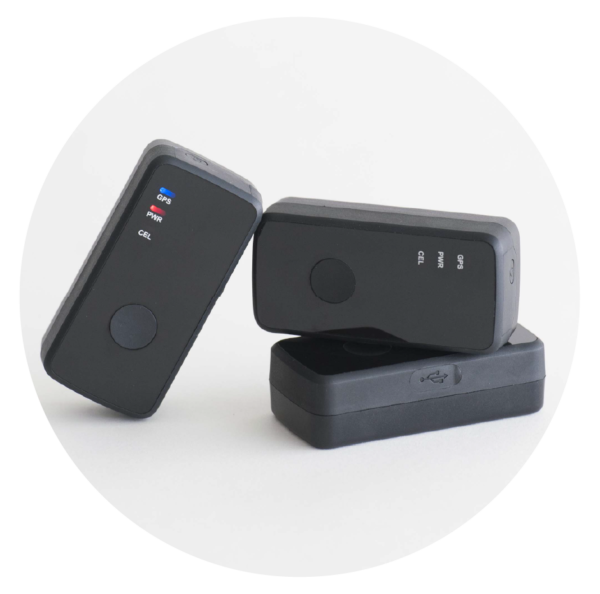
Employees are never alone with PERSA
Designed to be accessible any time you need it, PERSA is a wearable safety device and tracker complete with our software platform to ensure all remote or lone workers are safe 24/7.
- Employee clock-in and clock-out times
- Any off-site location their mobile employees may visit
- Mobile employees are on the best route to get to their site locations
Understanding Employee Duress Alarms and Silent Alerts
Employee duress alarms are specialized panic buttons designed for situations where discrete notification is crucial.
These devices allow workers to signal for help without alerting potential threats, preventing situation escalation.
Silent alerts operate through:
- Vibration confirmation of activation
- Silent transmission to monitoring centers
- Covert notification to response teams
- Discrete monitoring of developing situations
Training programs should emphasize proper device operation to ensure employees know exactly how to use their panic buttons when needed.
They should also cover the recognition of threat scenarios so workers can identify when to activate an alert.
Additionally, employees must be trained on response protocols to understand what actions to take once an alert has been triggered. Regular testing procedures should be implemented to confirm devices are functioning correctly at all times.
Finally, training should include device maintenance requirements to keep all equipment in optimal working condition.
Vestige's Persa Device For Remote Employee Safety
Wearable Panic Button
Employees in duress can send silent alarms with a thumb-sized activation button. With a swift movement, they can alert authorities and forward accurate location notifications and precise location details.
Maximum Visibility
Our PERSA technology offers an enterprise-grade GPS (Global Positioning System) tracker with real-time data. This feature finds a person’s exact location.
Wearability
The Vestige pocket-sized device comes with a lanyard. This allows users to wear them around necks, belts, or bags.
Durability
With PERSA on your side, you won’t have to worry about daily charging or the elements. These gadgets are compact, water-resistant tools that can last up to two weeks on a full charge.
Custom Notifications
We don’t believe in one-size-fits-all solutions. Let us know which geofence alert notifications you want, and our team can make it happen.
Implementing a Workplace Panic Button System
A successful workplace panic button system requires careful planning and implementation. Simply installing devices isn’t enough. Each part of the system must be thoughtfully selected to ensure it supports fast, coordinated responses during a crisis.
Here are the key components for a successful system:
Hardware Selection
Before choosing a panic button solution, evaluate the specific work environment and job functions.
Different roles may require different types of panic button setups. What works on the main floor of a hospital building may not work in a warehouse or on the basement level.
In high-risk situations, staff may need to call for help without escalating the threat. Wearable devices or silent buttons allow for discreet activation.
- Wearable panic buttons
- Mobile app solutions
- Fixed panic buttons at workstations
- Integration with existing security systems
The hardware you choose should align with the physical demands of the job and provide discreet, immediate access to emergency support.
Communication Infrastructure
Next, take into account how your team communicates during emergencies and whether the technology you’re considering will be compatible with your existing facility setup.
Once an alert is triggered, the signal must be able to travel quickly and reliably to the right responders.
Determine if your organization utilizes any of the following:
- Reliable cellular or wireless connectivity
- Backup communication channels
- Central monitoring station capabilities
In an emergency, delays caused by weak signals, incompatible systems, or single points of failure can have serious consequences. Be sure to properly configure and test your setup before deployment.
Response Protocol Development
Even the best technology will fall short without clear protocols.
Staff must know how to respond to a panic button, who’s in charge, and how to escalate if needed.
These protocols reduce confusion and help ensure that threats are addressed as quickly and safely as possible.
When training your team on this new system, ensure that they are thoroughly educated about the following topics:
- Clear emergency procedures
- Defined response team roles
- Escalation protocols
- Documentation requirements
Organizations should conduct thorough risk assessments to determine specific safety needs. This evaluation should consider workplace layout, employee roles, potential threats, and existing security measures.
Supporting this approach, research indicates that panic buttons are recommended as primary interventions for managing workplace violence, especially in high-risk environments.
Vestige’s Personal Safety Wearable Panic Button solution offers customizable options to meet diverse organizational requirements.
If you’re still not sure where to begin with your employee safety system, our team of safety experts would be happy to assist.
Ready to enhance your workplace security?
Contact Vestige today to learn how our comprehensive safety solutions can protect your employees and strengthen your organization’s security posture.
Our expert team will help you select and implement the right combination of safety devices and monitoring systems for your specific needs.

Building a Comprehensive Workplace Emergency Alert System
After discussing the fundamentals of a panic button system, we can delve deeper into maximizing its potential.
A complete emergency alert system integrates multiple components to ensure comprehensive protection:
Launch Multiple Alert Methods
Every employee, regardless of their role or location, should have access to immediate help.
Your alert system should support various activation methods. Redundancy is key: if one method fails or isn’t accessible, another should be available for backup.
- Wearable devices
- Mobile applications
- Fixed panic buttons
- Integration with security systems
Integrate Monitoring Capabilities Where Appropriate
Effective monitoring ensures that alerts are not only sent but also received and acted on promptly.
Your system should include real-time tracking and oversight tools that allow designated responders to locate and support the employee in distress.
- 24/7 response center
- Real-time location tracking
- Video surveillance integration
- Communication systems
Establish Response Protocols
What happens after an alert is just as important as how it’s triggered.
Clear, predefined protocols ensure that emergency services, internal teams, and leadership respond in a coordinated, efficient manner, minimizing panic and maximizing safety.
- Emergency service coordination
- Internal security response
- Management notification
- Documentation procedures
Regular system testing and updates ensure continued effectiveness. Organizations should conduct monthly checks of all components and quarterly full-system drills.
Organizations using Vestige’s Healthcare Safety Solutions report significant improvements in staff confidence while wearing Vestige safety gear, such as our body cams.
Frequently Asked Questions
Healthcare facilities particularly benefit given their high rates of workplace violence incidents. Other industries, including retail establishments, hotels, banking institutions, and organizations with lone workers or mobile employees, would also benefit from panic button systems.
Regular training sessions, practical demonstrations, and periodic drills ensure employees remain familiar with device operation and emergency procedures.
Organizations may face liability issues and regulatory non-compliance penalties, particularly in industries with specific safety requirements like healthcare and transportation.
Mobile panic buttons offer portability, GPS tracking, and cellular connectivity, while traditional systems are typically fixed-location devices with limited range.
Key considerations include reliability, coverage area, battery life, ease of use, monitoring capabilities, and integration with existing security systems.