
Employee Body Camera
Transforming Workplace Safety and Accountability
Employee body cameras fill a crucial gap in workplace safety by providing real-time protection and invaluable incident documentation, thereby preventing future tragedies.
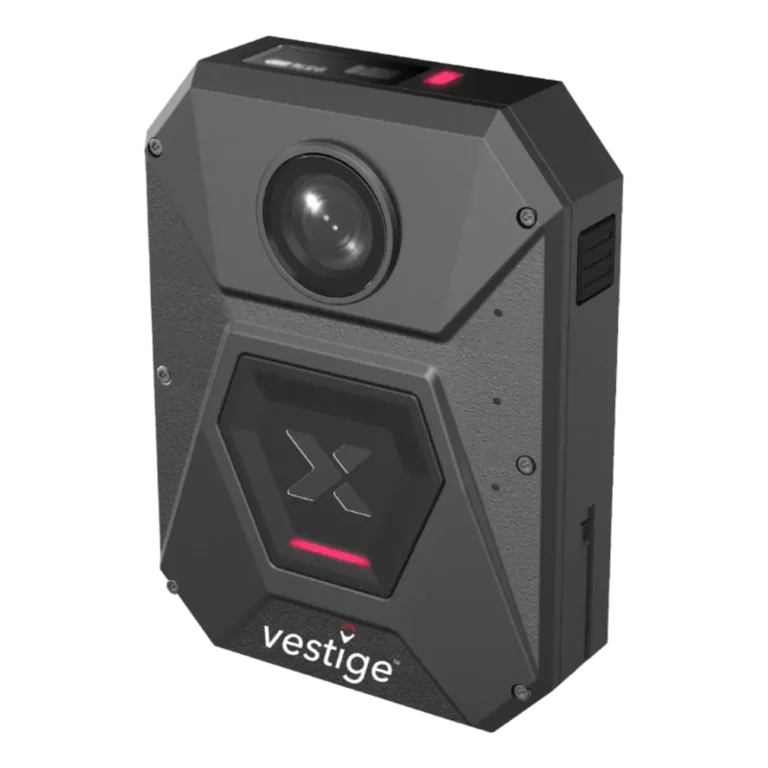
Let us help you protect your people!
Discreet Wearable Design:
Compact, lightweight button that's easy to carry or wear—ideal for lone workers, educators, and healthcare staff.
Silent Emergency Alerts:
Send instant, silent distress signals with precise GPS location—no need to reach for a phone.
Real-Time GPS Tracking:
Live tracking for fast response and full visibility of employees in the field or in remote settings.
Seamless Platform Integration:
Automatically logs location, clock-in/out times, and emergency activity—all in one easy-to-use dashboard.
Regulatory Compliance:
Helps meet safety mandates like OSHA and Alyssa’s Law while reducing liability risks.

Henry Ford Health Chooses Vestige's Persa To Protect Remote Workers In Michigan
Simplicity, reliability and alert customization drive decision to deploy and retain Vestige PERSA safety solution
The Evolution of Employee Body Cameras in the Workplace
Employee body cameras have transformed from specialized law enforcement tools into essential workplace safety equipment across numerous industries.
These compact, wearable devices capture high-definition audio and video from the worker’s perspective, giving them unparalleled access to daily operations and safety protocols.
The technology addresses a critical gap in traditional workplace safety measures. While fixed security cameras cover general areas, employee body cameras move with workers, documenting interactions, procedures, and potential hazards that stationary systems might miss.
This mobility makes them particularly valuable in dynamic work environments where traditional surveillance proves inadequate.
Modern employee body cameras integrate seamlessly with existing safety infrastructure, creating comprehensive monitoring solutions that enhance rather than replace current security measures.
Body-worn cameras now feature advanced capabilities like live streaming, automatic incident detection, and cloud-based video storage that make them practical for organizations of all sizes.
Understanding the Business Case for Employee Body Cameras
The financial implications of workplace incidents extend far beyond immediate medical costs.
Organizations face liability exposure, insurance premium increases, regulatory scrutiny, and potential reputation damage when accidents occur without proper documentation.
Employee body cameras provide objective evidence that protects both workers and employers from false claims while supporting genuine safety concerns.
Industries with elevated risk profiles see particularly compelling returns on investments in body cameras for employees.
Healthcare workers, who experience workplace violence at rates significantly higher than other sectors, benefit enormously from the protection and documentation these systems provide.
The mere presence of recording equipment often deters aggressive behavior while ensuring proper response protocols when incidents do occur.
The accountability factor cannot be understated. When employees know their actions are being recorded, compliance with safety protocols improves dramatically.
This process isn’t about creating a surveillance state—it’s about establishing clear expectations and providing tools that help workers succeed while staying safe.
Below are the alert levels you can forward:
Red Alert
An employee can send distress signals to request immediate assistance for a 911 call.
Yellow Alert
Users can report concerning situations to their team through text or email.
Regular check-in (Green code)
The system requires regular check-ins from professionals on duty.
TRUSTED BY INDUSTRY LEADERS




Key Applications Across Industries
Healthcare Environments
Healthcare settings pose special problems that employee body cameras address effectively.
Healthcare safety solutions incorporating body cameras help protect staff from patient aggression while documenting proper care procedures. Emergency departments, psychiatric units, and long-term care facilities particularly benefit from these systems.
The dual protection offered by employee body cameras in healthcare settings serves both patient and provider interests.
Staff members feel more secure knowing they have protection and documentation capabilities, while patients benefit from the accountability and professionalism that recording encourages.
Transportation and Logistics
Transportation workers face diverse safety challenges that employee body cameras help address.
Delivery drivers encounter unpredictable situations, while logistics workers operate in environments where proper procedures are critical for safety.
These systems provide documentation for training purposes while protecting workers from false accusations.
Retail and Customer Service
Customer-facing employees increasingly rely on employee body cameras for protection against aggressive customers and documentation of service delivery.
These systems prove particularly valuable during high-stress situations where emotions run high and objective documentation becomes essential.
Advanced Features in Modern Employee Body Cameras
Live Streaming and Real-Time Monitoring
Contemporary employee body cameras offer live-streaming capabilities that enable supervisors to monitor situations as they develop.
This real-time awareness allows for immediate intervention when safety concerns arise, potentially preventing minor issues from escalating into serious incidents.
Live streaming proves particularly valuable in high-risk environments where workers may face dangerous situations.
Security personnel can monitor multiple employees simultaneously, providing rapid response capabilities when emergencies occur.
Artificial Intelligence Integration
AI-powered employee body cameras can automatically detect unusual events, trigger recording sessions, and alert supervisors to potential safety concerns.
These intelligent systems reduce the burden on workers while ensuring that critical incidents are captured and documented appropriately.
Machine learning algorithms improve system performance over time, learning to distinguish between normal work activities and situations requiring attention.
This evolution makes employee body cameras more effective and less intrusive as they adapt to specific workplace environments.
Cloud-Based Data Management
Modern employee body cameras utilize cloud storage solutions that ensure data security while providing easy access for authorized personnel.
This approach eliminates concerns about local storage limitations while maintaining the integrity of recorded evidence.
Cloud-based systems also enable advanced analytics capabilities, allowing organizations to identify patterns in safety incidents and develop targeted improvement strategies.
This data-driven approach transforms employee body cameras from simple recording devices into powerful safety analysis tools.
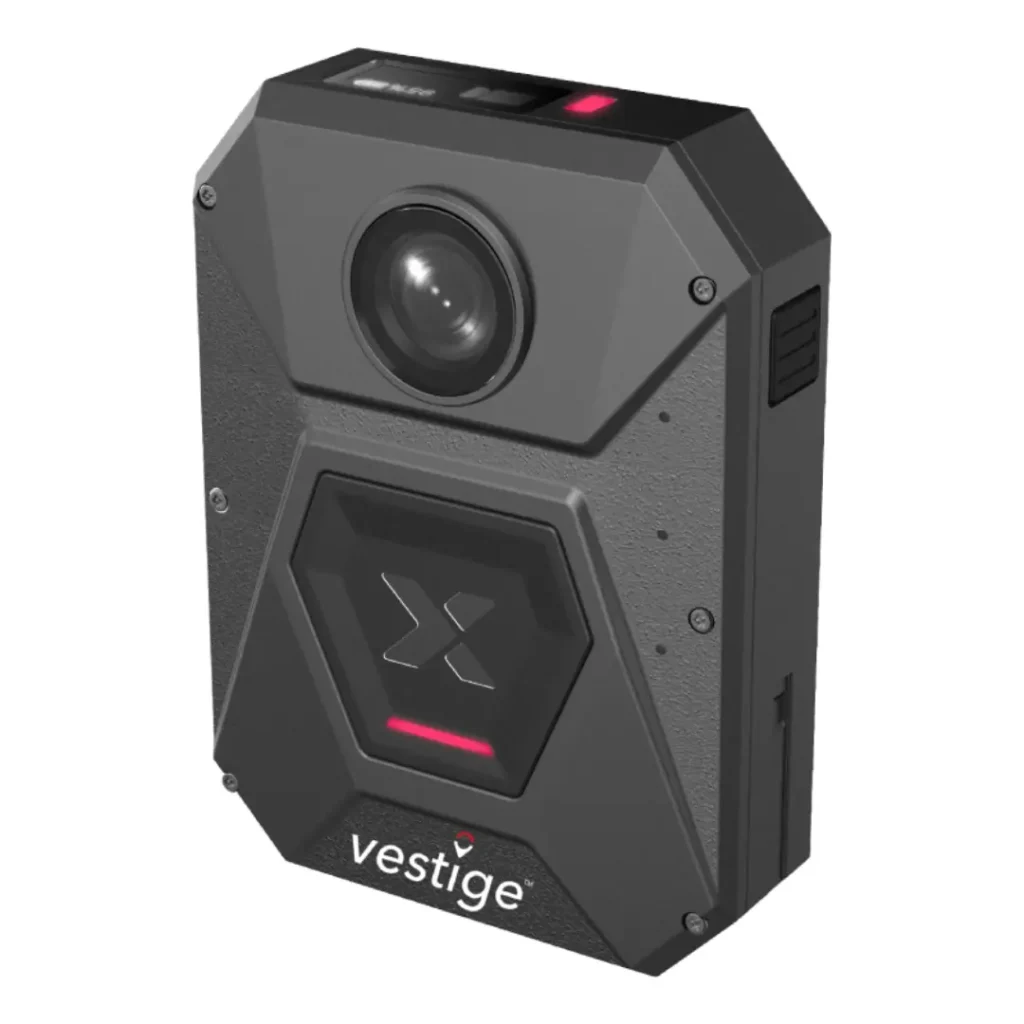
Your Team’s Safety—Captured and Secured with Vestige
Give your employees peace of mind and accountability with our discreet, easy-to-use body cameras. VestigeView’s body-worn solution ensures your team is protected, monitored, and compliant—wherever the job takes them.
- Record and store on-the-job interactions securely
- Track employee movements and verify site visits
- Promote transparency and reduce liability
Implementation Best Practices
Developing Comprehensive Policies
Clear, comprehensive policies that address privacy concerns, operational procedures, and data management protocols are essential for effective body camera programs for employees.
These policies must balance security needs with employee rights while ensuring compliance with relevant regulations.
Effective policies clearly define when recording is required, how data will be used, and who has access to recorded materials.
Transparency in policy development and implementation builds trust while ensuring that employee body cameras serve their intended safety purposes.
Training and Support Programs
Comprehensive training programs ensure that employees understand how to operate their body cameras effectively while following established protocols.
Instruction should include technical information regarding the operation of these systems, their policy compliance, and the benefits they provide for worker protection, which are all important aspects.
Ongoing support and refresher training help maintain program effectiveness while addressing any concerns that arise during implementation. Regular policy reviews ensure that procedures remain current with evolving technology and changing workplace needs.
Privacy and Legal Considerations
Employees’ right to privacy is a real and valid concern, and as such, body cameras must be implemented with careful attention to privacy rights and legal requirements.
Organizations need to understand applicable laws regarding workplace recording, data retention, and employee notification requirements.
Clear communication about privacy protections and data use policies helps address employee concerns while ensuring legal compliance.
Regular legal reviews of policies and procedures help organizations stay current with evolving privacy regulations.
Integration with Existing Safety Systems
Coordination with Fixed Surveillance
Employee body cameras work most effectively when integrated with existing security infrastructure.
This coordination creates comprehensive coverage that eliminates blind spots while maximizing the value of both mobile and fixed recording systems.
Integration strategies should consider data management, storage requirements, and monitoring capabilities to create seamless security solutions.
Comprehensive surveillance systems that combine multiple technologies deliver superior results compared to standalone implementations.
Emergency Response Integration
Employee body cameras can integrate with emergency response systems to provide real-time situation awareness during critical incidents.
This integration enables faster, more informed responses while ensuring that emergency personnel have access to current information about developing situations.
Automatic alert capabilities can trigger emergency responses when specific conditions are detected by employee body cameras, which reduces response times and potentially saves lives during serious incidents.
Vestige's Persa Device For Remote Employee Safety
Wearable Panic Button
Employees in duress can send silent alarms with a thumb-sized activation button. With a swift movement, they can alert authorities and forward accurate location notifications and precise location details.
Maximum Visibility
Our PERSA technology offers an enterprise-grade GPS (Global Positioning System) tracker with real-time data. This feature finds a person’s exact location.
Wearability
The Vestige pocket-sized device comes with a lanyard. This allows users to wear them around necks, belts, or bags.
Durability
With PERSA on your side, you won’t have to worry about daily charging or the elements. These gadgets are compact, water-resistant tools that can last up to two weeks on a full charge.
Custom Notifications
We don’t believe in one-size-fits-all solutions. Let us know which geofence alert notifications you want, and our team can make it happen.
Measuring Success and ROI
Safety Performance Metrics
Organizations implementing employee body cameras should establish clear metrics for measuring program success.
These metrics might include incident reduction rates, improvements in response time or time management, and enhancements to compliance scores that demonstrate the value of these safety investments.
Regular performance reviews help identify areas for improvement while showcasing the benefits of body camera programs for employees to stakeholders.
Data-driven analysis supports continued investment in these safety technologies while identifying opportunities for program enhancement.
Cost-Benefit Analysis
The financial benefits of employee body cameras extend beyond direct safety improvements to include reduced insurance premiums, lower liability exposure, and improved operational efficiency.
Organizations should track these benefits to demonstrate program value and support continued investment.
Long-term cost analysis should consider not only the direct costs of equipment and implementation but also the avoided costs of incidents, claims, and regulatory penalties that employee body cameras help prevent.
Future Trends and Technology Developments
Enhanced AI Capabilities
Future employee body cameras will incorporate increasingly sophisticated artificial intelligence that can predict and prevent safety incidents before they occur, drawing on past experiences and machine learning to analyze situations in real time.
These advances will make the technology even more valuable for proactive safety management.
Predictive analytics capabilities will enable organizations to identify potential safety risks based on patterns in recorded data, allowing for preventive interventions that reduce incident rates and improve overall workplace safety.
Improved Integration Capabilities
Next-generation employee body cameras will offer enhanced integration with other workplace technologies, including IoT sensors, building management systems, and communication platforms.
This expanded connectivity will create more comprehensive safety ecosystems.
Miniaturization and Comfort Improvements
Ongoing technology development focuses on making employee body cameras smaller, lighter, and more comfortable for extended wear.
These improvements will increase adoption rates while reducing the burden on workers who rely on these safety tools.
Start Protecting Your Remote Employees Today
Are you ready to meet the security demands of modern organizations? An ESD is a cost-effective way to achieve your goals.
Many people think it’s a complicated process, but it doesn’t have to be. With Vestige on your side, you can provide guards, bouncers, and event staff with a compact, water-resistant, advanced safety device that they can comfortably wear 24/7.
There’s no other device quite like it on the market. It’s the ideal step to achieving your safety goals for personnel in your company. Request a demo now.

Building a Safer Workplace with Employee Body Cameras
The decision to implement employee body cameras represents a strategic investment in workplace safety, employee protection, and organizational liability management.
These sophisticated systems have evolved beyond simple recording devices to become comprehensive safety tools that benefit everyone in the workplace environment.
Organizations that embrace employee body cameras position themselves as leaders in workplace safety while demonstrating genuine commitment to employee welfare.
The technology provides tangible benefits that extend from immediate safety improvements to long-term operational advantages that support business success.
Employee body cameras provide proven solutions with measurable results for organizations looking to enhance their safety infrastructure and protect their workforce.
The combination of deterrent effects, documentation capabilities, and real-time monitoring creates a powerful safety framework that adapts to diverse workplace environments.
To explore how advanced employee body cameras can transform your workplace safety program, consider comprehensive body-worn camera solutions that integrate with your existing security infrastructure.
For additional insights into workplace safety trends and implementation strategies, visit our resource center for expert guidance and case studies.
Remember that effective workplace safety requires proactive measures rather than reactive responses.
Employee body cameras provide the proactive protection and documentation capabilities that modern organizations need to create safer, more accountable work environments for everyone.
Frequently Asked Questions About Employee Body Cameras
Employee body cameras improve workplace safety by providing real-time documentation of work activities, deterring unsafe behaviors, and enabling rapid response to incidents.
The presence of recording equipment encourages compliance with safety protocols while providing objective evidence when incidents occur.
Additionally, footage may be reviewed to determine the cause of an incident, and how to best avoid other such incidents in the future.
Modern employee body cameras incorporate multiple privacy protections, including restricted recording areas, clear notification requirements, and controlled data access.
Organizations must develop comprehensive policies that balance safety needs with employee privacy rights.
Most systems allow for selective recording activation and include features that protect sensitive information while maintaining security objectives.
Yes, professional employee body cameras are designed to integrate seamlessly with existing security infrastructure.
Live-streaming body cameras can connect with monitoring centers, fixed surveillance systems, and emergency response protocols to create comprehensive safety solutions.
This integration maximizes the value of existing security investments while enhancing overall protection capabilities.
Healthcare, transportation, retail, security services, and construction industries see the greatest benefits from employee body cameras.
Healthcare environments particularly benefit due to elevated workplace violence risks, while transportation and customer service industries use these systems to protect workers from aggressive interactions.
Any industry with significant safety risks or customer interaction challenges can benefit from implementing employee body cameras.