

Body-Worn Security Cameras for Law Enforcement and Private Security

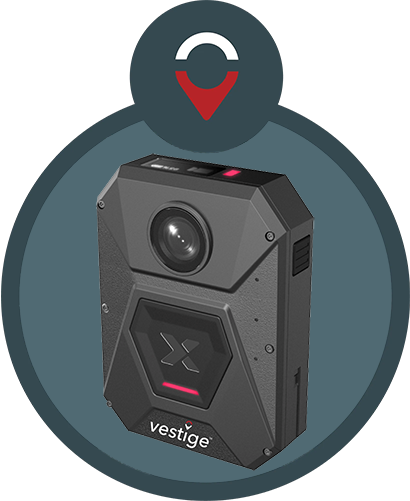
NewBodyCamVestigeSm

TRUSTED BY INDUSTRY LEADERS

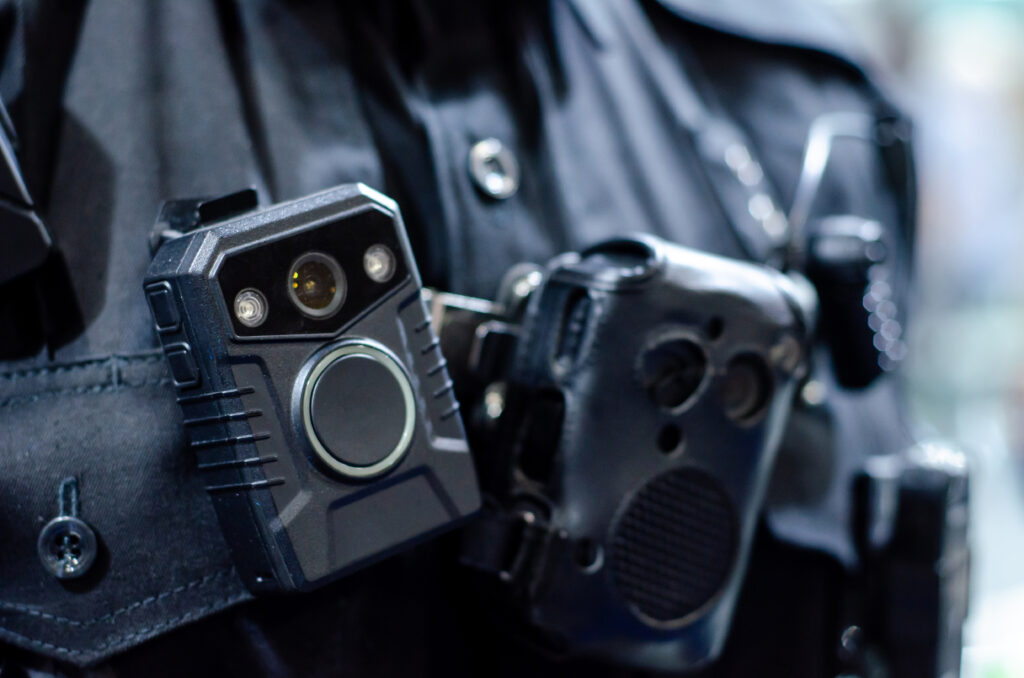
Recent studies indicate that organizations implementing body-worn security cameras see significant improvements in transparency and accountability. This demonstrates why wearable camera systems have become essential tools in modern security operations. Research from the International Association for Healthcare Security and Safety Foundation showed officers with body-worn cameras generated 30% fewer misconduct complaints and 37% fewer incidents of excessive force compared to control groups.

AdobeStock 441224662

Understanding Body-Worn Security Cameras

These devices represent a significant advancement in security technology, offering unprecedented levels of transparency and accountability in both law enforcement and private security operations. These compact, wearable devices have transformed how security personnel interact with the public and document incidents across various industries and environments.

The importance of these devices extends beyond simple surveillance. They serve as impartial witnesses during critical incidents, providing clear, unbiased documentation of events as they unfold. This objective evidence can be used in resolving disputes, improving training protocols, and maintaining professional standards across security operations. Supporting data shows that wearable cameras enhance transparency and accountability effectively, with documented benefits including improved dispute resolution and enhanced protection for security personnel.

Modern systems incorporate features that address these core operational needs while integrating seamlessly with existing security infrastructure. Professional camera systems prioritize both ease of use and reliability, ensuring security personnel can focus on their primary duties without technical distractions or equipment failures.

Key Features of Law Enforcement Body Cameras

Modern law enforcement cameras incorporate several essential features that make them effective tools for comprehensive security operations. High-definition video capture stands as the cornerstone feature, with most professional models offering 1080p or higher resolution recording capabilities. Wide-angle lens coverage ensures comprehensive scene documentation, while smooth frame rates capture clear motion details even during fast-paced incidents.

Advanced audio capabilities complement the visual recording features. Noise reduction technology filters background interference, ensuring clear voice recording during critical interactions. Multiple microphone arrays provide directional audio capture, while two-way communication options enable real-time coordination with command centers and team members.

Durability and reliability remain paramount concerns for devices used in demanding environments. Weather-resistant construction protects against rain, snow, and extreme temperatures, while impact-resistant housing withstands the physical demands of security work. Operating temperature ranges typically span from -4°F to 122°F, with military-grade drop testing certification ensuring equipment survives accidental impacts.

The latest generation also includes sophisticated data management features. Secure encryption protocols protect sensitive information while allowing authorized personnel quick access to footage when needed. Extended battery life ensures continuous operation throughout long shifts, with many models offering 12+ hours of recording time to support extended operations.

Employee Body Camera

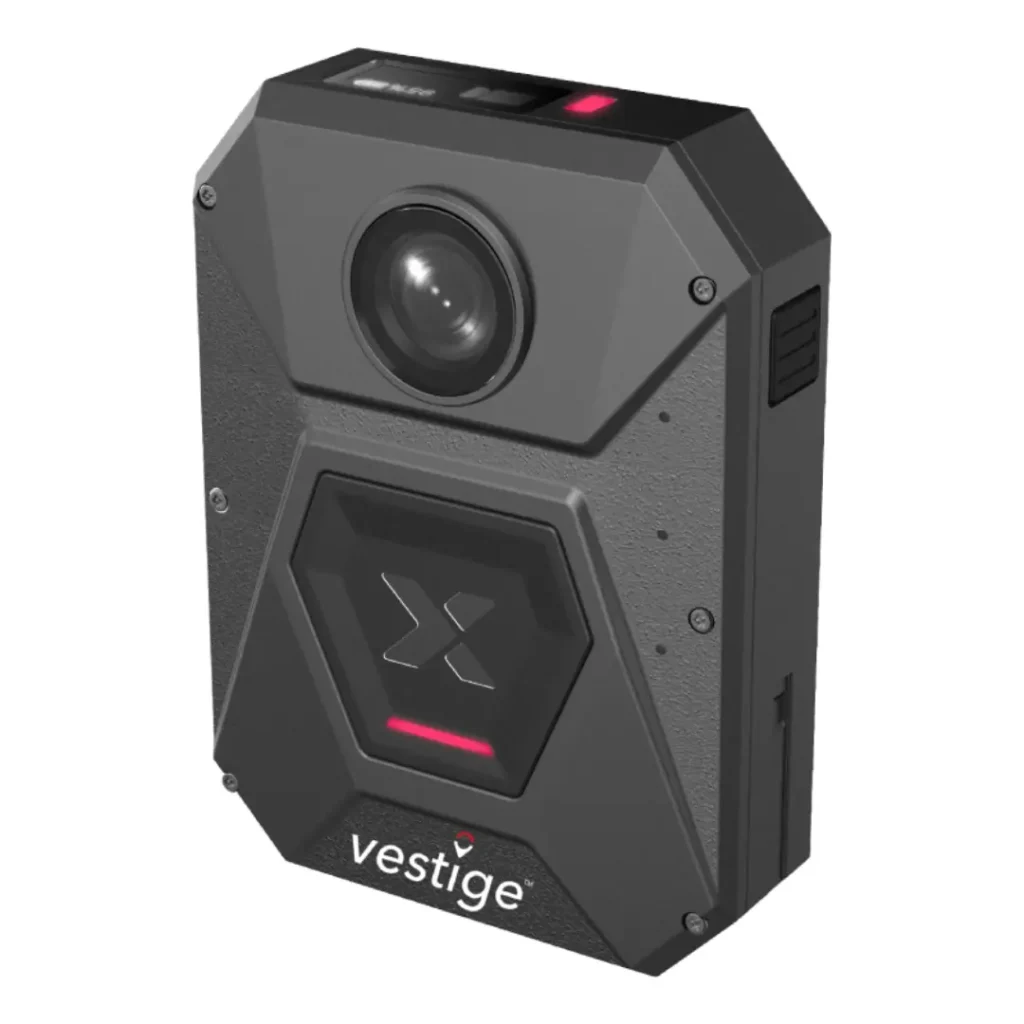
Your Team’s Safety—Captured and Secured with Vestige

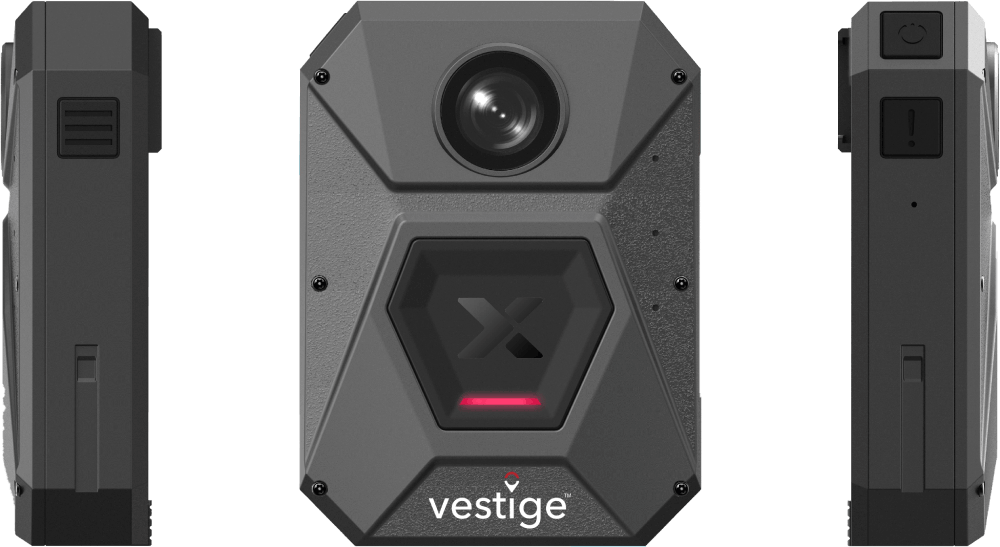
Give your employees peace of mind and accountability with our discreet, easy-to-use body cameras. VestigeView’s body-worn solution ensures your team is protected, monitored, and compliant—wherever the job takes them.

Advantages of Wearable Security Cameras for Private Security

Private security operations benefit significantly from implementation, with proven results across multiple industries. Beyond law enforcement, these devices are showing remarkable success in healthcare settings, where research indicates they help settle disputes 78% of the time by providing clear, objective evidence of interactions.

Enhanced professional performance represents a primary advantage in private security operations:

  • Improved accountability for security personnel through continuous documentation
  • Better documentation of security procedures and incident responses
  • Real-time situational awareness capabilities for supervisors and management
  • Reduced liability exposure through objective evidence collection

Operational benefits extend beyond individual performance improvements. Wearable cameras provide deterrence of criminal activity through visible recording capabilities, enable quick incident resolution through immediate evidence availability, improve training capabilities by providing real-world examples, and offer cost-effective security solutions compared to traditional surveillance methods.

The protective value extends to service industries as well. In sectors like home inspection, where workers often face unsubstantiated claims, research shows that approximately 80% of accusations are meritless. These devices provide the documentation needed to protect workers from false claims while maintaining professional standards and client relationships.

Comprehensive security solutions integrate wearable cameras with existing security infrastructure while offering scalability for growing organizations. These systems include centralized management platforms that simplify data handling and ensure compliance with security protocols across different operational environments.

6 4

Exploring Tactical Body Cameras for Special Operations

Special operations require robust devices designed for challenging environments and high-risk situations. Tactical models feature enhanced durability through reinforced housing for impact resistance, waterproof ratings for adverse weather conditions, secure mounting systems that prevent equipment loss, and night vision capabilities for low-light operations.

Advanced communications features distinguish tactical units from standard models. Real-time video streaming enables command center monitoring of field operations, team coordination features facilitate multi-unit responses, GPS location tracking provides precise positioning information, and emergency alert systems ensure rapid response to critical situations.

These specialized devices often incorporate additional features like thermal imaging for enhanced visibility and motion sensors for automatic recording activation. Such capabilities make them suitable for high-risk operations and specialized security tasks where standard equipment might prove inadequate.

Integration with broader security ecosystems enhances the value of tactical systems. Specialized safety solutions demonstrate how body camera systems can be tailored for specific industry requirements while maintaining core functionality and reliability standards.

Start Protecting Your Remote Employees Today

Are you ready to meet the security demands of modern organizations? An ESD is a cost-effective way to achieve your goals. 

Many people think it’s a complicated process, but it doesn’t have to be. With Vestige on your side, you can provide guards, bouncers, and event staff with a compact, water-resistant, advanced safety device that they can comfortably wear 24/7.

There’s no other device quite like it on the market. It’s the ideal step to achieving your safety goals for personnel in your company. Request a demo now.

New Project 3 min

Overview of Security Body Cam Systems

A comprehensive system involves more than just the cameras themselves. Modern solutions include infrastructure components such as secure docking stations, charging systems, data transfer mechanisms, and storage solutions that support the complete lifecycle of recorded data from capture to archival.

Management software represents a critical component of professional systems. Evidence management platforms provide secure storage and retrieval capabilities, user access controls ensure appropriate data handling, audit trail capabilities maintain compliance requirements, and automated backup systems protect against data loss.

The integration capabilities of modern systems extend to fleet management and tracking solutions. Fleet tracking solutions demonstrate how wearable cameras can complement vehicle-based surveillance systems to provide comprehensive security coverage across mobile and stationary operations.

Data security remains paramount in professional systems. Encryption protocols protect sensitive information during transmission and storage, while secure access controls ensure only authorized personnel can view or modify recorded data. These security measures maintain the integrity of evidence while protecting privacy and compliance requirements.

Cross-Industry Applications and Benefits

The versatility of these devices makes them valuable across different sectors beyond traditional security applications. In healthcare environments, they provide transparency that helps resolve patient disputes and protects staff from unfounded accusations. The documented success rate of 78% for dispute resolution in healthcare settings demonstrates how effective objective documentation can be.

Transportation and logistics industries benefit significantly from integration with vehicle-based systems. Specialized camera systems for towing and repossession show how wearable cameras complement vehicle surveillance to provide complete incident documentation and worker protection in challenging situations.

Similarly, service professionals in industries like home inspection have found these devices invaluable for protecting against meritless claims. With studies showing that 80% of accusations against home inspectors are without merit, wearable cameras provide crucial protection through accurate documentation of professional interactions and service delivery.

Lone worker safety represents another critical application area. Personal safety solutions demonstrate how wearable cameras can be integrated with panic buttons and GPS tracking to provide comprehensive protection for workers operating in isolated or high-risk environments.

Technology Integration and Fleet Applications

Modern devices integrate seamlessly with fleet management systems to provide comprehensive operational oversight. Multi-camera systems demonstrate how wearable units can work alongside vehicle-mounted cameras to create complete incident documentation and operational awareness.

The integration with GPS tracking and fleet management platforms enables supervisors to monitor both personnel and vehicle activities in real time. This comprehensive approach to security documentation guarantees the accurate recording of all field operations and their timely review.

Asset tracking capabilities further enhance the value in fleet operations. Equipment tracking solutions show how wearable cameras can complement asset management systems to provide visual confirmation of equipment handling and maintenance procedures.

The combination with fleet tracking creates powerful synergies for operational efficiency and security. Real-time location data combined with video documentation provides unprecedented visibility into field operations while ensuring compliance with safety protocols and operational procedures.

See how SalSon Logistics turned a $9 million insurance problem into a strategic advantage

After spending nearly $9 million in claims in 2017—some from staged accidents—SalSon implemented Vestige’s AI‐powered fleet cameras and real‑time command center. The result? Accident payouts dropped from six‑figure annual totals to under $200,000 by 2024.

Better yet, drivers are protected, insurers are competing for their business, and a stronger safety culture now fuels their profitability.

Industry-Specific Applications

Different industries require specialized approaches to implementation. Marine operations, for example, face unique environmental challenges that require specialized equipment designs. Marine tracking solutions illustrate how cameras must be adapted for saltwater environments and challenging weather conditions.

Lumber and logging operations present another specialized application. Logging safety solutions demonstrate how wearable cameras can document safety procedures and incident responses in hazardous forest environments where traditional surveillance methods prove impractical.

Paratransit services represent another specialized application where these devices provide critical documentation capabilities. Paratransit camera solutions show how wearable cameras protect both drivers and passengers while ensuring compliance with accessibility regulations and service standards.

Evidence Management and Compliance

Professional systems require robust evidence management capabilities to maintain legal admissibility and operational effectiveness. Chain of custody protocols ensure that recorded evidence remains legally valid, while automated timestamping and location data provide additional verification of incident documentation.

Compliance with privacy regulations represents a critical consideration for implementation. Systems must balance transparency and accountability requirements with privacy protection mandates, requiring careful policy development and technical implementation to ensure appropriate use.

Data retention policies must consider both legal requirements and storage limitations. Automated archival systems help manage large volumes of recorded data while ensuring that critical evidence remains accessible for investigations and legal proceedings.

Access controls ensure that footage remains secure while providing appropriate access to authorized personnel. Role-based permissions, audit trails, and secure authentication methods protect sensitive information while supporting operational requirements.

Training and Implementation Considerations

Successful implementation requires comprehensive training programs that address both technical operation and policy compliance. Personnel must understand proper mounting techniques, battery management, and data handling procedures to ensure effective system utilization.

Policy development represents another critical aspect of implementation. Organizations must establish clear guidelines for when cameras should be activated, how footage should be handled, and what privacy considerations apply to different situations.

Change management strategies help organizations transition smoothly to new systems. Employee buy-in, supervisor training, and gradual implementation phases can reduce resistance and ensure successful adoption of new security technologies.

Ongoing maintenance and support ensure that systems continue to function effectively over time. Regular equipment inspections, software updates, and collecting user feedback help identify and address issues before they impact operational effectiveness.

Trusted Safety Partners

Adam Baranski
Adam BaranskiDeputy Director of Transportation Services at Livingston County Michigan.
“These cameras let us separate truth from noise, If someone says the driver was rude, we don’t guess – we look,”

Leonard Adams
Leonard AdamsMobile Integrated Health, Henry Ford Health
“It’s our last line of defense for our staff in the field, and we’re very focused on ensuring the team has them on them all the time wherever they go.”
Bre LaneProgram Administrator, Telecare, San Diego County Behavioral Health Mobile Crisis Response Team
“The job is inherently dangerous, so it was important to us to put as many of these tools like PERSA in place to keep our people safe,”
Mike StanthenOwner, Certified Auto Mall
"Having the camera has saved us millions of dollars in fraudulent insurance claims. We would not be in business without them."

Frequently Asked Questions About Body Worn Security Cameras

They provide transparency, accountability, and evidence collection capabilities while improving safety for both security personnel and the public. Research consistently shows significant improvements in complaint resolution and incident documentation when organizations implement these systems.

Law enforcement models feature specialized durability, extended battery life, and secure data management systems designed specifically for operational requirements. These devices also include features like night vision, GPS tracking, and secure encryption protocols.

Yes, studies show visible cameras can provide deterrence effects, with additional benefits in dispute resolution across various industries. The presence of recording devices modifies behavior patterns for both security personnel and the public.

Key considerations include video quality, battery life, storage solutions, ease of use, and integration capabilities with existing systems. Organizations should also consider the proven track record in reducing complaints and incidents while evaluating total cost of ownership.

Professional systems use secure, centralized platforms that maintain a chain of custody and provide authorized access while ensuring data integrity. These systems support the documented benefits of improved transparency and accountability through proper evidence management procedures.

Ready to enhance your security operations with professional camera solutions? 

Our specialists will help you select and implement the right solution for your specific needs while ensuring compliance with all relevant regulations and standards.

Request a demo to experience the proven benefits of reduced complaints, improved accountability, and enhanced protection that these systems provide for your organization.

Vestige Voice Submission

Get A Quote

Request Vestige Demo

Request Ping On-Demand & Asset Tracking Demo

Request Tool & Equipment Tracking Demo

Request Employee Safety Device Demo

Request Camera & GPS Demo