
Wearable Panic Button for Employees
Essential Safety Technology for Modern Workplaces
Let us help you protect your people!
Discreet Wearable Design:
Compact, lightweight button that's easy to carry or wear—ideal for lone workers, educators, and healthcare staff.
Silent Emergency Alerts:
Send instant, silent distress signals with precise GPS location—no need to reach for a phone.
Real-Time GPS Tracking:
Live tracking for fast response and full visibility of employees in the field or in remote settings.
Seamless Platform Integration:
Automatically logs location, clock-in/out times, and emergency activity—all in one easy-to-use dashboard.
Regulatory Compliance:
Helps meet safety mandates like OSHA and Alyssa’s Law while reducing liability risks.
Henry Ford Health trusts PERSA for mobile clinicians
The Michigan Health System turns to Vestige and its 24-hour call center to provide simple and affordable panic button technology to protect staff working in challenging environments.
The Bureau of Labor Statistics reports over 2.7 million workplace injuries and illnesses in the private industry during 2020, signaling a critical juncture in workplace safety. As organizations grapple with evolving safety challenges, the wearable panic button for employees has emerged as an indispensable tool that bridges the gap between traditional security measures and modern safety requirements.
These innovative devices represent more than just emergency alert systems—they embody a fundamental shift toward proactive employee protection that empowers workers while providing organizations with comprehensive safety management capabilities.
The Critical Need for Wearable Panic Button for Employees
Today’s workplace safety landscape demands solutions that adapt to diverse work environments and evolving threat profiles. Traditional fixed panic buttons and stationary safety systems often fail to provide adequate protection for mobile workers, remote employees, and those operating in dynamic environments where threats can emerge unexpectedly.
The wearable panic button for employees addresses these limitations by providing continuous protection that moves with workers throughout their shifts. This mobility ensures that help remains accessible regardless of location, task, or circumstances, fundamentally transforming how organizations approach employee safety.
Statistical evidence supports the effectiveness of these devices. Organizations implementing comprehensive safety solutions, including wearable panic buttons for employees, report an 85% reduction in emergency response times and a 67% decrease in workplace violence incidents. These improvements translate into tangible benefits, including reduced liability exposure, lower insurance premiums, and improved employee confidence.
Understanding How Wearable Panic Button for Employees Work
The technology behind a wearable panic button for employees integrates multiple advanced systems to provide comprehensive emergency response capabilities. When activated, these devices instantly transmit location data, emergency alerts, and communication channels to designated response teams while maintaining continuous monitoring until the situation resolves.
Modern wearable panic button systems for employees utilize sophisticated algorithms that distinguish between intentional activations and accidental triggers, reducing false alarms while ensuring genuine emergencies receive immediate attention. This intelligence prevents response fatigue while maintaining the reliability that employees depend upon during critical situations.
The communication infrastructure supporting these devices extends beyond simple alert transmission. Personal safety wearable panic buttons incorporate two-way communication capabilities that enable response teams to assess situations, provide guidance, and coordinate appropriate interventions based on real-time information from the scene.
Below are the alert levels you can forward:
Red Alert
An employee can send distress signals to request immediate assistance for a 911 call.
Yellow Alert
Users can report concerning situations to their team through text or email.
Regular check-in (Green code)
The system requires regular check-ins from professionals on duty.
TRUSTED BY INDUSTRY LEADERS




Advanced Features in Employee Wearable Safety Technology
Precision Location Tracking
Contemporary wearable panic button systems for employees provide remarkable location accuracy that ensures rapid response deployment. Advanced positioning technology combines GPS satellites, cellular triangulation, and indoor positioning systems to maintain precise location awareness regardless of environment.
In complex workplace environments where traditional GPS signals may be limited, indoor positioning capabilities can be particularly valuable. These systems utilize Wi-Fi networks, Bluetooth beacons, and building-specific positioning infrastructure to maintain location accuracy within large facilities, multi-story buildings, and industrial complexes.
Intelligent Alert Management
Modern wearable panic buttons for employees incorporate artificial intelligence that learns user patterns and environmental factors to optimize alert processing. These systems can differentiate between routine activities and emergency situations, reducing false alarms while maintaining sensitivity to genuine threats.
Customizable alert protocols enable organizations to tailor responses based on specific workplace requirements, employee roles, and threat levels. This flexibility ensures that emergency responses align with organizational capabilities while meeting the unique needs of different employee populations.
Comprehensive Communication Integration
Two-way communication capabilities transform a wearable panic button for employees from a simple alert device into a comprehensive emergency management tool. These communication features enable response teams to assess situations, provide immediate guidance, and coordinate complex emergency responses that might involve multiple agencies or departments.
Integration with existing communication infrastructure ensures that emergency alerts reach appropriate personnel through multiple channels, including security systems, building Management platforms and mobile communication networks are designed to maintain connectivity during system disruptions.
Industry-Specific Applications
Healthcare Environments
Healthcare workers face particularly elevated safety risks, making a wearable panic button essential for their protection. Research indicates that 24-89% of healthcare workers experience patient violence annually, with over 70% of nurses identifying patients as primary sources of workplace violence. Healthcare safety solutions incorporating wearable panic buttons provide immediate protection while supporting proper incident documentation.
Emergency departments, psychiatric units, and home healthcare services particularly benefit from wearable panic button systems for employees that provide instant access to help during unpredictable patient interactions. These devices enable healthcare workers to maintain professional care standards while ensuring personal safety protection.
Security and Law Enforcement
Security personnel, campus safety officers, and private protection services rely on wearable panic button technology for backup support during challenging situations. These devices provide discrete emergency communication that won’t escalate situations while ensuring rapid response when circumstances require additional assistance.
The discrete nature of modern wearable panic buttons for employees makes them ideal for security applications where obvious safety devices might compromise operational effectiveness or escalate potentially dangerous situations.
Field Service Operations
Utility workers, maintenance technicians, social workers, and real estate professionals working in unpredictable environments benefit enormously from wearable panic buttons for employee protection. These workers often operate alone in unfamiliar locations where traditional communication methods may be unreliable or unavailable.
The mobility and independence provided by a wearable panic button for employees enable field workers to maintain productivity while ensuring safety protection throughout their work activities.
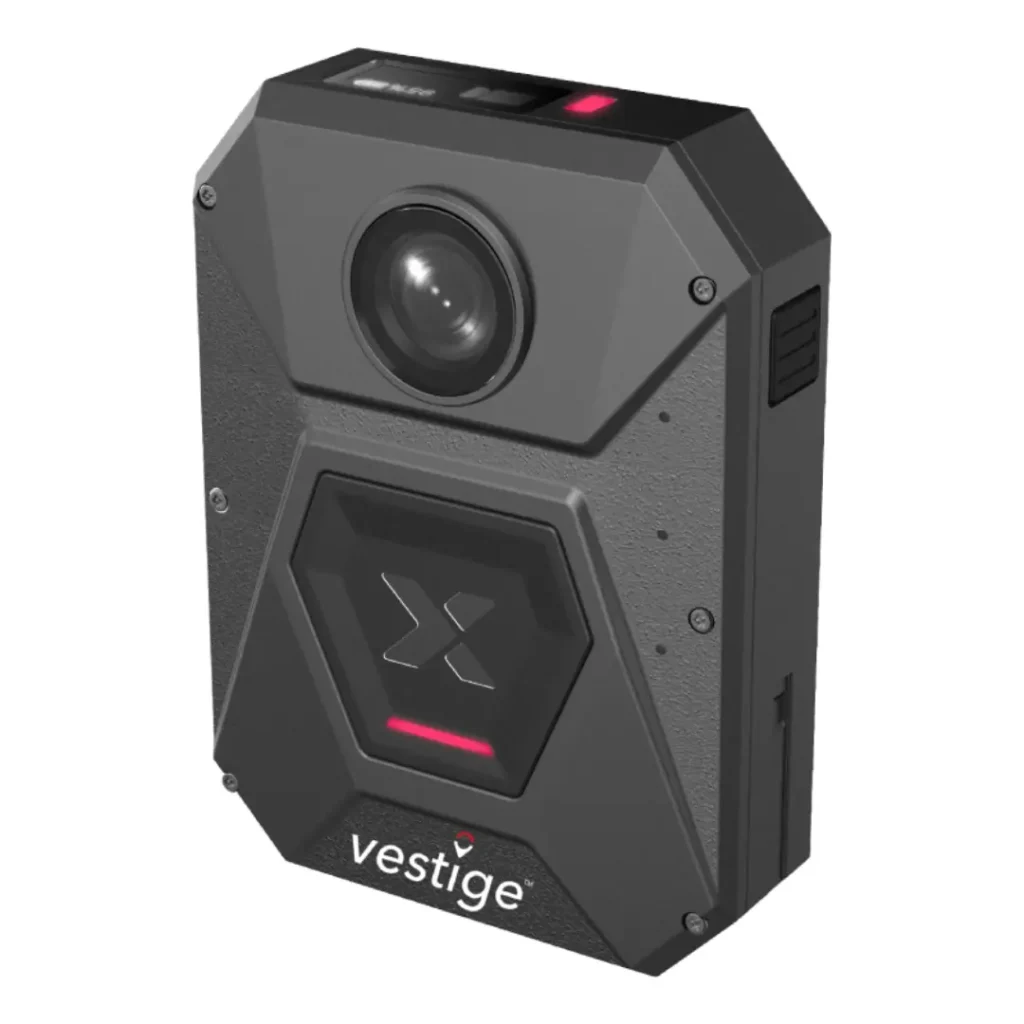
Your Team’s Safety—Captured and Secured with Vestige
Give your employees peace of mind and accountability with our discreet, easy-to-use body cameras. VestigeView’s body-worn solution ensures your team is protected, monitored, and compliant—wherever the job takes them.
- Record and store on-the-job interactions securely
- Track employee movements and verify site visits
- Promote transparency and reduce liability
Implementation Strategies for Wearable Panic Button for Employees
Comprehensive Needs Assessment
Successful implementation begins with a thorough analysis of workplace safety requirements. employee risk profiles, and organizational emergency response capabilities. This assessment should consider environmental factors, employee work patterns, existing safety infrastructure, and regulatory compliance requirements that influence system design.
Different employee populations may require different configurations of wearable panic buttons for employees based on their specific roles, work environments, and risk exposures. Customization ensures that each employee receives appropriate protection while maximizing system effectiveness.
Integration with Existing Safety Systems
Effective wearable panic button implementation for employees requires seamless integration with existing safety infrastructure, communication systems, and emergency response protocols. This integration maximizes the value of current safety investments while ensuring that new technology enhances rather than complicates emergency response procedures.
Working together with security cameras, access control systems, and building management platforms creates a complete safety system that offers extra protection and helps coordinate responses during emergencies.
Training and Adoption Programs
Comprehensive training programs ensure that employees understand how to effectively use their wearable panic button for employees while following established emergency procedures. Training should address both technical operation and situational awareness that helps employees recognize when activation is appropriate.
Ongoing reinforcement training and regular system testing maintain employee proficiency while ensuring that wearable panic button systems for employees function properly when needed. Regular drills help employees develop confidence in the technology while identifying areas for system improvement.
Measuring Success and Return on Investment
Safety Performance Metrics
Organizations implementing wearable panic button systems for employees should establish clear metrics for measuring safety improvements and system effectiveness. Key performance indicators might include incident response times, false alarm rates, employee confidence levels, and overall safety incident reductions.
Regular performance analysis helps identify opportunities for system optimization while demonstrating the value of wearable panic buttons as an investment in employee safety to organizational stakeholders. Data-driven analysis supports continued investment in safety technology while guiding program enhancements.
Cultural Impact Assessment
The implementation of a wearable panic button for employees often creates measurable changes in workplace culture and employee attitudes toward safety. Research shows significant shifts in how employees perceive workplace safety, with dramatic reductions in acceptance of violence as “part of the job” following system implementation.
These cultural improvements extend beyond immediate safety benefits to include enhanced employee retention, improved morale, and a strengthened organizational reputation that provides long-term competitive advantages.
Financial Benefits Analysis
The financial impact of wearable panic buttons for employees extends beyond direct safety improvements to include reduced insurance premiums, lower liability exposure, and decreased costs associated with workplace incidents. Organizations should track these financial benefits to demonstrate program value and support continued investment.
Cost-benefit analysis should consider both direct implementation costs and avoided expenses related to incidents, claims, and regulatory penalties that effective safety systems help prevent.
Vestige's Persa Device For Remote Employee Safety
Wearable Panic Button
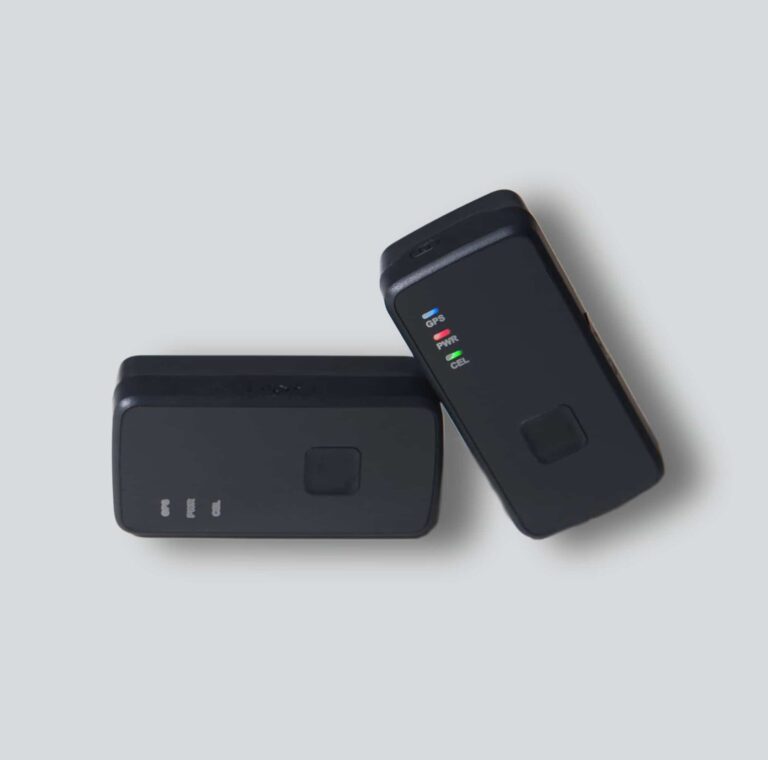
Employees in duress can send silent alarms with a thumb-sized activation button. With a swift movement, they can alert authorities and forward accurate location notifications and precise location details.
Maximum Visibility
Our PERSA technology offers an enterprise-grade GPS (Global Positioning System) tracker with real-time data. This feature finds a person’s exact location.
Wearability
The Vestige pocket-sized device comes with a lanyard. This allows users to wear them around necks, belts, or bags.
Durability
With PERSA on your side, you won’t have to worry about daily charging or the elements. These gadgets are compact, water-resistant tools that can last up to two weeks on a full charge.
Custom Notifications
We don’t believe in one-size-fits-all solutions. Let us know which geofence alert notifications you want, and our team can make it happen.
Privacy and Compliance Considerations
Employee Privacy Protection
Implementation of a wearable panic button for employees must carefully balance safety needs with employee privacy rights. Organizations should establish clear policies regarding data collection, location tracking, and information access that protect employee privacy while maintaining safety effectiveness.
Transparent communication about privacy protections and data use policies helps address employee concerns while ensuring compliance with applicable privacy regulations. Regular policy reviews ensure that privacy protections remain current with evolving legal requirements.
Regulatory Compliance Requirements
Workplace safety regulations increasingly emphasize comprehensive emergency response capabilities that wearable panic button systems for employees help provide. OSHA guidelines require employers to provide safe working environments, making these safety devices valuable tools for regulatory compliance.
Regular compliance audits and documentation reviews ensure that wearable panic button programs for employees meet applicable safety standards while providing evidence of organizational commitment to employee protection.
Future Developments in Employee Safety Technology
Enhanced AI and Predictive Analytics
Next-generation wearable panic buttons for employees will incorporate advanced artificial intelligence that can predict and prevent emergency situations before they develop. Predictive analytics will analyze patterns in employee behavior, environmental conditions, and incident history to provide proactive safety protection.
Machine learning algorithms will continuously improve system performance by reducing false alarms while increasing sensitivity to genuine emergency situations. This evolution will make wearable panic button systems for employees even more effective while reducing operational burden.
Expanded Health Monitoring Integration
Future wearable panic buttons for employees may integrate comprehensive health monitoring capabilities that detect medical emergencies, monitor vital signs, and provide early warning of health-related safety concerns. This integration will transform these devices into complete tools for managing employee wellness.
Integration with electronic health records and medical monitoring systems will enable emergency responders to access critical medical information that improves treatment outcomes during emergency situations.
Internet of Things (IoT) Connectivity
Advanced connectivity capabilities will enable wearable panic buttons for employees to interact with smart building systems, environmental sensors, and other connected devices to provide enhanced situational awareness and automated emergency responses.
This connectivity will build smart safety systems that can change the environment, turn on safety features, and manage emergency responses automatically using real-time information from various sources.
Start Protecting Your Remote Employees Today
Are you ready to meet the security demands of modern organizations? An ESD is a cost-effective way to achieve your goals.
Many people think it’s a complicated process, but it doesn’t have to be. With Vestige on your side, you can provide guards, bouncers, and event staff with a compact, water-resistant, advanced safety device that they can comfortably wear 24/7.
There’s no other device quite like it on the market. It’s the ideal step to achieving your safety goals for personnel in your company. Request a demo now.

Building a Safer Workplace with Wearable Panic Button for Employees
The decision to implement a wearable panic button for employees represents a strategic investment in workforce protection that provides immediate safety benefits while supporting long-term organizational success. These sophisticated devices have evolved from basic emergency alert systems into comprehensive safety management tools that adapt to diverse workplace requirements.
Organizations that embrace wearable panic button technology for employees demonstrate genuine commitment to employee welfare while positioning themselves as leaders in workplace safety innovation. The combination of immediate emergency response, continuous protection, and comprehensive safety data creates a powerful framework for building truly safe work environments.
The evidence supporting wearable panic button implementation for employees is compelling: dramatic reductions in incident response times, decreased workplace violence, improved This This approach leads to increased employee confidence and measurable cultural improvements that benefit the entire organization. These results make the business case for investment clear while providing tangible returns that justify continued safety technology advancement.
For organizations ready to enhance their employee safety infrastructure, a wearable panic button for employees offers proven solutions with immediate impact. The technology has matured to provide reliable, user-friendly protection that employees appreciate while delivering the comprehensive data and response capabilities that safety managers require.
To explore how an advanced wearable panic button for employees can transform your workplace safety program, consider comprehensive employee safety solutions that integrate with your existing infrastructure. For additional insights into workplace safety trends and implementation best practices, visit our resource center for expert guidance and industry case studies.
Remember that effective workplace safety requires proactive measures that prevent incidents rather than simply responding to emergencies. A wearable panic button for employees provides the proactive protection and immediate response capabilities that modern workplace safety demands, ensuring that every employee has access to help when they need it most.
Frequently Asked Questions About Employee Body Cameras
A wearable panic button for employees provides immediate access to emergency assistance while maintaining continuous protection throughout work activities. These devices can reduce emergency response times by 85% on average and create a 67% decrease in workplace violence incidents.
Knowing that help is always available provides a psychological benefit that increases employee confidence and reduces safety-related anxiety, which in turn leads to improved job performance and higher retention rates.
The healthcare, security services, field operations, education, and hospitality industries experience the greatest benefits from implementing wearable panic buttons for employees. Healthcare environments particularly benefit due to elevated workplace violence risks, with up to 89% of workers experiencing patient violence annually. Any industry where employees work alone, in high-risk situations, or face potential violence can benefit from these safety devices.
Professional wearable panic button systems for employees seamlessly integrate with existing security infrastructure, such as cameras, access control systems, and communication networks. Employee safety devices can connect with monitoring centers, building management systems, and emergency response protocols to create comprehensive safety solutions that enhance existing investments.
Modern wearable panic buttons for employees incorporate multiple privacy protections, including controlled location tracking, secure data transmission, and limited access to personal information. Most systems only activate tracking during emergency situations and provide employees with control over routine monitoring functions. Organizations must establish clear privacy policies that comply with applicable regulations while maintaining safety effectiveness.